In today's quest for energy efficiency, DC inverter heat pumps emerge as a game-changer. They provide substantial energy savings compared to traditional heating systems. Industry expert Dr. Emily Johnson states, "DC inverter heat pumps adapt their energy consumption based on demand, making them highly efficient." So, how does a DC inverter heat pump save energy?
Unlike conventional systems that operate at full capacity all the time, DC inverter heat pumps can modulate their output. This means they adjust their cooling or heating based on real-time needs. By running at lower capacity for longer periods, they minimize energy wastage. Imagine a system that slowly warms your home instead of blasting heat—this leads to a gentle, consistent temperature with lower energy costs.
Beyond mere statistics, the implications of energy savings resonate on a larger scale. Consumers can witness monthly savings and lower utility bills. Businesses can decrease their operational costs. However, it’s important to choose the right model and ensure proper installation. Some consumers may find themselves underwhelmed if they expect immediate drastic changes. Understanding how to maximize the benefits of DC inverter heat pumps is essential for achieving their full potential.
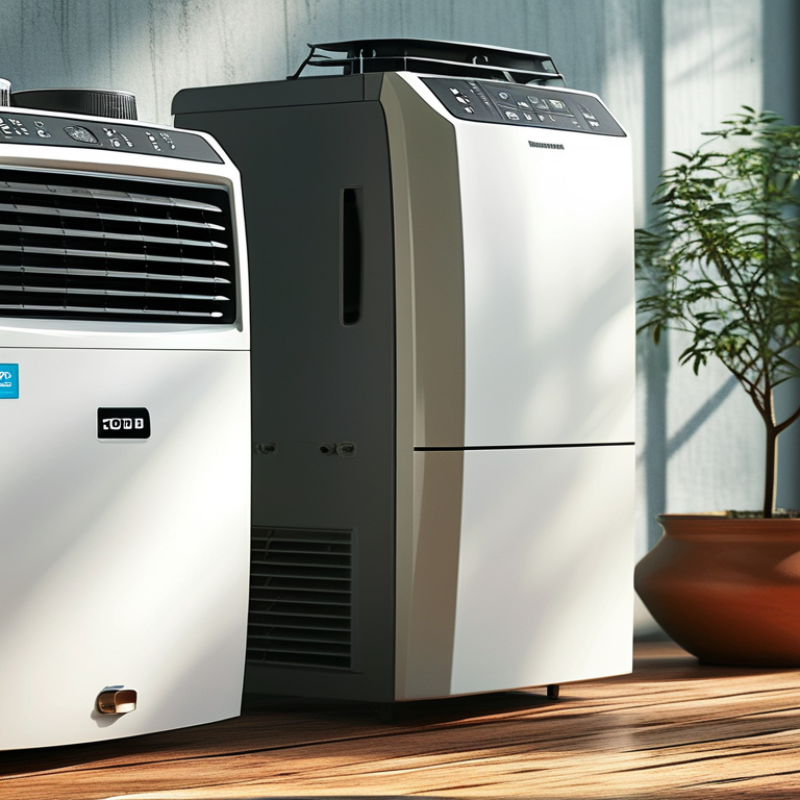
DC inverter heat pumps have gained significant traction in the energy efficiency sector. These systems adjust their power output based on demand. This functionality allows them to operate efficiently and reduce energy consumption. According to the U.S. Department of Energy, these pumps can offer up to 30% more efficiency compared to conventional systems. This not only translates into cost savings but also reduces environmental impact.
The heart of a DC inverter heat pump is its variable speed compressor. Unlike traditional systems, which operate at a fixed speed, this technology enables precise control over temperature. It responds swiftly to changes in indoor conditions. A study from the International Energy Agency reports that homes equipped with inverter technology can achieve energy savings of up to 50%. However, installation costs can be higher, requiring careful consideration of long-term benefits.
While the advantages are evident, there may be challenges. Not every home is suited for DC inverter heat pumps. Older buildings may require additional modifications. This could influence upfront costs and energy efficiency. The technology needs regular maintenance to sustain its optimal performance. Thus, homeowners should weigh the initial investment against future savings.
DC inverter heat pumps offer remarkable energy efficiency. By adjusting their output based on real-time temperature needs, they minimize unnecessary energy consumption. This technology significantly reduces electricity bills, making it a smart choice for eco-conscious homeowners.
Inverter technology changes the game. It operates at variable speeds, unlike traditional systems that constantly turn on and off. This results in smoother temperature control and less wear and tear. Less energy is wasted in the process, contributing to overall lower emissions. Additionally, these systems perform well in extreme temperatures.
Tips for maximizing efficiency: Keep your system well-maintained. Regularly check filters and clean the outdoor unit. Consider programming your temperature settings to align with your daily schedule. Small adjustments can lead to substantial savings over time. Remember, awareness of energy use is key to maximizing efficiency.
When comparing DC inverter heat pumps to traditional heat pumps, efficiency stands out. DC inverter heat pumps adjust their compressor speed based on the required cooling or heating. This results in steady temperatures and reduced energy savings. In contrast, traditional heat pumps operate at fixed speeds, often leading to energy waste during cycling.
Consider installing zoning systems for enhanced temperature control in different rooms. This can further optimize energy use. Regular maintenance on your heat pump is also crucial. A clean filter and proper refrigerant levels can significantly improve efficiency.
Despite their benefits, DC inverter heat pumps have a higher upfront cost. Weighing long-term savings against initial investment is essential. Analyzing your energy bills can provide insights into potential savings. This reflection can guide your decision in choosing the right system for your home.
DC inverter heat pumps offer significant long-term cost benefits for homeowners. These systems operate more efficiently than traditional heat pumps. They adjust their output to match heating or cooling needs. This means less energy consumption overall. In a typical home, this can equate to 30% savings on energy bills. Such a reduction can be notable over years.
Moreover, less energy usage translates to lower environmental impact. When using a DC inverter heat pump, you reduce greenhouse gas emissions. The technology not only provides comfort but also promotes sustainability. However, installation costs can be higher. Homeowners should weigh these initial expenses against future savings. It's a crucial consideration, as not all homes may be suitable for this upgrade. Understanding the long-term horizon is essential for making informed decisions.
DC inverter heat pumps are becoming popular for their energy efficiency and environmental benefits. Unlike traditional systems, they adjust their cooling and heating output based on demand. This modulation leads to less energy consumption, which translates directly into lower utility bills. According to the U.S. Department of Energy, these systems can achieve energy savings of up to 30% compared to standard units.
The reduced energy usage also means a smaller carbon footprint. The Environmental Protection Agency states that residential heating accounts for about 13% of total U.S. greenhouse gas emissions. By switching to a DC inverter heat pump, homeowners can significantly alleviate their impact on the environment. This is crucial as global warming continues to accelerate, and every bit helps.
**Tip 1:** Regularly maintain your heat pump to ensure it operates at peak efficiency. A well-maintained system can provide better energy savings.
**Tip 2:** Consider upgrading insulation in your home. This not only complements the heat pump's efficiency but also reduces energy waste.
Embracing this technology reflects a commitment to sustainability. While these pumps are an advanced solution, they require awareness of both their capabilities and limitations. Investing in quality installation and understanding your specific needs can lead to the best results.
| Benefit | Description | Estimated Energy Savings (%) | Impact on Carbon Footprint (kg CO2/year) |
|---|---|---|---|
| Increased Efficiency | DC inverter technology adjusts cooling/heating output based on demand. | 30% | 400 kg |
| Lower Operating Costs | Reduced energy usage leads to lower utility bills. | 25% | 350 kg |
| Environmentally Friendly | Significantly reduces reliance on fossil fuels. | 40% | 500 kg |
| Quiet Operation | DC inverter pumps operate more quietly than conventional systems. | N/A | N/A |
| Longer Lifespan | Less stress on components translates to a longer lifespan. | N/A | N/A |
| Versatile Applications | Can be used for heating and cooling in various settings. | 20% | 250 kg |
| Faster Heating and Cooling | Delivers desired temperature more quickly compared to traditional systems. | N/A | N/A |
| Adaptive Technology | Adjusts operation based on environmental conditions. | 35% | 450 kg |
| Enhanced Comfort | Provides consistent temperature control, improving comfort levels. | N/A | N/A |
: It's a system adjusting power output based on demand, improving energy efficiency.
It operates more efficiently, providing up to 30% energy savings compared to traditional systems.
A variable speed compressor allows precise temperature control and quick response to changes.
Not always. They may need modifications to accommodate this technology, affecting costs.
These systems lower greenhouse gas emissions, promoting sustainability and comfort in homes.
Initial installation costs can be high, and regular maintenance is necessary for optimal performance.
A typical household can save about 30% on energy bills over time with this technology.
Homeowners must balance initial costs with potential future savings to make informed decisions.
Not every home is suitable; older buildings may require significant adjustments.
Consider the long-term benefits and maintenance needs alongside upfront installation expenses.
DC inverter heat pumps are advanced heating and cooling systems that operate by adjusting their compressor speed based on the temperature demand. This functionality allows them to provide consistent comfort while consuming less energy compared to traditional heat pumps. By employing inverter technology, these systems enhance energy efficiency, ensuring that they only use the required amount of power to maintain desired temperatures.
A comparative analysis between DC inverter and traditional heat pumps reveals significant advantages in terms of long-term savings. Not only do these systems reduce energy consumption, but they also contribute to a lower carbon footprint, showcasing how does a DC inverter heat pump save energy and positively impacts the environment. The initial investment is often offset by the substantial cost benefits realized over time, making DC inverter heat pumps a smart choice for sustainable living.
PeakWay Pump