When it comes to enjoying a comfortable swimming experience, understanding what is the best temperature setting for pool heat pumps is essential. The right temperature can significantly impact your comfort level and the efficiency of your heating system. Many pool owners wonder what the optimal setting should be to balance warmth and energy consumption effectively.
The ideal temperature often falls between 78°F to 82°F, but this can vary based on personal preference. It's important to consider factors like climate and the pool’s usage. Keeping the temperature higher than necessary can lead to wasted energy and increased bills. Additionally, the outdoor environment can affect how your pool retains heat, making it necessary to adjust settings based on seasonal changes.
Ultimately, this topic invites reflection. Rushing to set a temperature without considering personal and environmental factors may lead to dissatisfaction. The exploration of what is the best temperature setting for pool heat pumps requires both knowledge and experience. Pool owners need to stay informed and flexible to optimize their pool heating.
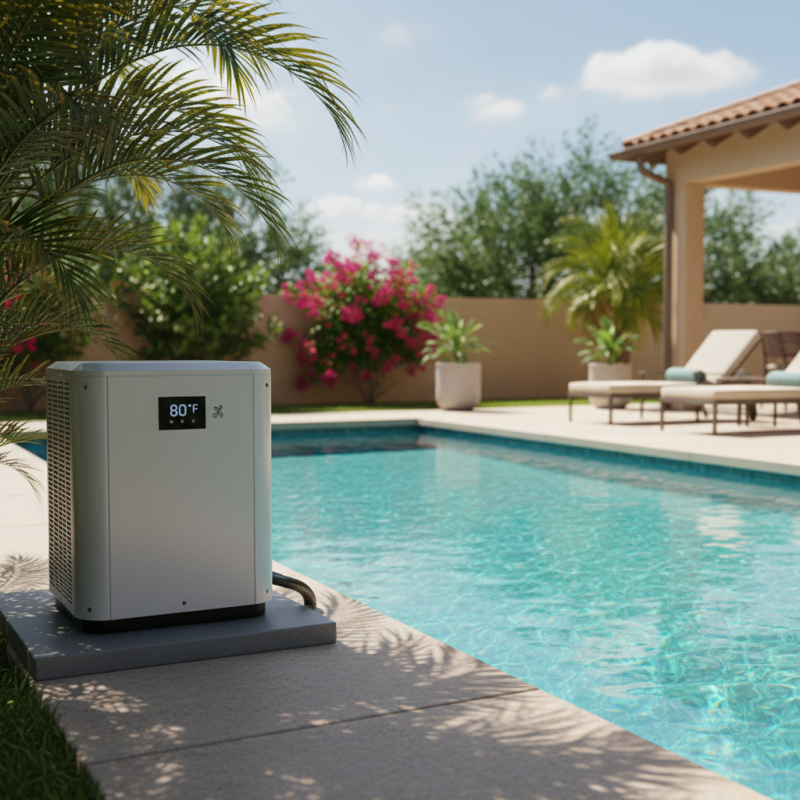
When it comes to using pool heat pumps, the temperature setting plays a crucial role. Finding the ideal temperature can improve comfort and efficiency. Most experts recommend a range between 78°F and 82°F (26°C to 28°C). This range is warm enough for comfortable swimming but still economical for heating systems.
One important aspect is energy consumption. Heating your pool to higher temperatures can lead to hefty energy bills. Additionally, maintaining a lower temperature when the pool is not in use can save resources. Each degree can significantly impact your monthly costs. Many users report challenges in finding that sweet spot.
Consider the weather and usage patterns. During cooler months, you may want to set it higher. However, in hot summer weather, lowering it can also be refreshing. Regular system maintenance is vital for optimal performance. Regularly check for efficiency to ensure there are no surprises when you're ready to dive in.
The operation of a pool heat pump largely depends on the temperature settings and outdoor conditions. Ideally, maintaining the pool water at around 78°F to 82°F results in a balance of comfort and efficiency. Studies indicate that for every degree above 78°F, energy consumption can increase by up to 10%. This makes it crucial to choose a temperature that maximizes enjoyment without driving up costs.
Tips: Regularly check your pool water temperature. Adjust settings based on usage patterns for optimal efficiency. Keep the heat pump clean to prevent any unnecessary energy losses.
Pool heat pumps have varying efficiency ranges, often represented by the Coefficient of Performance (COP). A higher COP indicates better performance. Most heat pumps range from 4 to 5.5 in COP, translating to four to five units of heat for every unit of electricity consumed. However, external factors such as air temperature, humidity, and even the pump's age significantly impact these numbers.
Tips: Invest in a pool cover to retain heat and reduce operational costs. Consider seasonal adjustments; lowering the temperature in cooler months can save energy without sacrificing much comfort.
Choosing the right temperature setting for pool heat pumps is crucial for optimal performance. Different pool types require specific temperature ranges to ensure comfort and efficiency. For a standard residential pool, a temperature between 78°F and 82°F (26°C to 28°C) is widely recommended. This range supports swimmer comfort while balancing energy efficiency. In contrast, for heated therapeutic pools, a warmer setting of around 86°F to 90°F (30°C to 32°C) can be beneficial.
For families with children, maintaining a comfortable swimming environment is essential. Experts suggest keeping the temperature at 80°F (27°C) for children's pools. This ensures warmth without excessive energy usage. Additionally, when considering outdoor pools, factors like ambient temperature and wind should influence settings. A calm, sunny day might allow for a lower setting, while cooler days may require adjustments.
Sound data from industry reports highlight that inefficient settings can lead to higher energy costs. A pool heater set much higher than necessary can increase expenses significantly. Monitoring heat pump performance and regularly adjusting settings can yield long-term savings. Awareness of environmental impact and personal swim preferences can guide your choices effectively.
When it comes to pool heat pumps, temperature settings significantly affect energy consumption. Keeping the pool temperature at a higher setting may feel comfortable, but it can lead to unexpectedly high energy bills. Striking a balance between comfort and cost efficiency is essential for any pool owner.
Recommended settings typically range from 78°F to 82°F. This range not only ensures comfort but also helps manage energy use effectively. However, many people tend to set their heaters higher during cooler months. This can increase operational costs without substantial benefits. Think critically about your ideal temperature and remember that every degree matters.
Another aspect to consider is usage patterns. If the pool is not used frequently, it may be worth lowering the temperature when it's not in use. Unfortunately, many fail to adjust settings based on this simple observation. An insightful approach is to plan for cooler days by lowering the temperature beforehand. This small adjustment can lead to noticeable savings over time. Remember, your pool's comfort should not come at an inflated cost.
Maintaining the ideal water temperature year-round is essential for pool enjoyment. A consistent temperature contributes to a comfortable swimming experience, especially during cooler months. The recommended range for pool heat pumps is typically between 78°F to 82°F. However, personal preferences can vary. Some may prefer warmer water for leisure, while others might opt for a cooler refresh.
To keep your pool at the ideal temperature, regular maintenance is crucial. Inspecting the heat pump for efficiency can prevent unexpected breakdowns. Using a pool cover is an effective technique to retain heat, especially at night. It helps reduce heat loss, saving energy and costs. This habit should be part of your routine, though it often gets overlooked.
Monitoring environmental factors is also vital. Wind, shade, and sunshine impact how quickly your pool loses heat. Adjusting your heater’s settings based on weather patterns can be tricky. Many people forget to alter these settings regularly, leading to unnecessary energy use. Finding a balance between comfort and efficiency is key.
This bar chart illustrates the optimal water temperature settings for pool heat pumps throughout the months of the year. Maintaining these temperatures can enhance comfort and energy efficiency.
: The recommended range is between 78°F and 82°F (26°C to 28°C) for comfort and efficiency.
Higher temperatures can lead to higher energy bills. Each degree can significantly impact your costs.
Regular maintenance ensures efficiency and prevents unexpected breakdowns, making swimming more enjoyable.
A pool cover reduces heat loss, especially at night, saving energy and costs.
Wind, shade, and sunshine can all impact how quickly your pool loses heat.
It's essential to adjust settings regularly based on weather patterns, but many forget to do this.
Many struggle to find the right balance between comfort and efficiency, leading to potential waste.
Yes, some users prefer warmer water for leisure, while others enjoy cooler water for a refreshing experience.
When considering "what is the best temperature setting for pool heat pumps," several factors come into play. Pool heat pumps operate efficiently within specific temperature ranges, making it essential to understand how they function to maximize their performance. For various pool types, optimal temperature recommendations can differ—residential pools may benefit from settings around 78-82°F, while spa pools might perform better at higher temperatures.
Additionally, the chosen temperature setting significantly impacts energy consumption and costs. Maintaining an ideal water temperature year-round requires implementing effective techniques, such as using pool covers and regular maintenance to ensure efficiency. By focusing on these aspects, pool owners can enjoy comfortable swimming conditions while managing energy expenses effectively.

PeakWay Pump