Why does my heat pump keep cycling on and off? Homeowners often ask this after hearing the outdoor unit start, stop, and restart every few minutes. The pattern can feel alarming, especially during a cold night when the indoor temperature barely changes. Sometimes, the cause is simple. A clogged filter, blocked outdoor coil, or incorrect thermostat setting may restrict airflow. Other cases involve oversized equipment, refrigerant problems, faulty sensors, or a failing control board.
Building-science consultant Dr. Allison Bailes III explains, “A heat pump is just an air conditioner that can run in reverse.” That simple comparison matters. The system must move heat through coils, fans, valves, and controls. A small fault can disturb the entire cycle. Repeated starts can increase electrical stress, reduce comfort, and raise operating costs. It may also leave frost on the outdoor coil or create uneven room temperatures.
Still, diagnosis is not always obvious. I have seen homeowners replace filters and adjust thermostats, yet the cycling continued. Sometimes the real issue was poor sizing from the original installation. A professional should measure airflow, check refrigerant pressures, inspect electrical components, and review the thermostat’s timing settings. Do not guess from sound alone. A heat pump may briefly cycle during defrost or mild weather, which can be normal. Frequent cycling is different. This guide examines practical causes, warning signs, and safe troubleshooting steps behind the question, “why does my heat pump keep cycling on and off?”
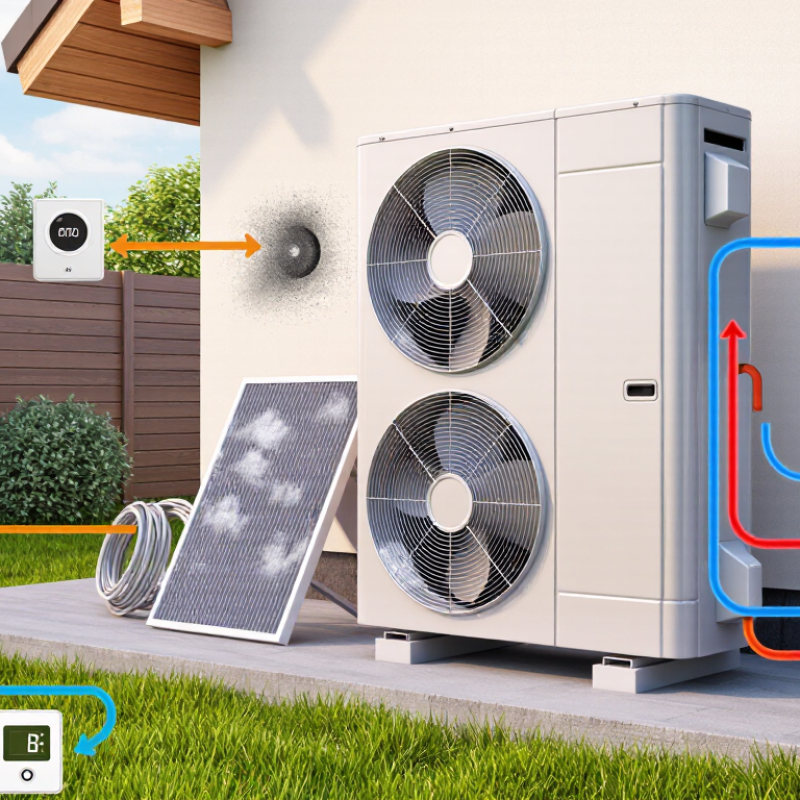
Normal Heat-Pump Cycling: Why 2–3 Starts per Hour Can Be Expected
China Top Heat Pumps: Why Does My Heat Pump Cycle On and Off?
Normal Heat-Pump Cycling: Why 2–3 Starts per Hour Can Be Expected
A heat pump may start and stop two or three times per hour during ordinary heating. This pattern often depends on outdoor temperature, room insulation, and thermostat settings. On a cool afternoon, the system may run for ten to twenty minutes, pause briefly, then restart. That pause allows the indoor temperature to settle near the selected setting.
Short pauses can be normal. The outdoor unit may also enter defrost mode when frost covers its coil. You might hear the fan change speed, see water beneath the unit, or notice cool air briefly indoors. These signs usually indicate a control process, not immediate damage. A properly installed system should restart smoothly without loud grinding or repeated electrical clicks.
A practical check is simple. Record the start times for one hour, then compare them with the outdoor temperature. I once assumed frequent cycling meant a faulty thermostat, but a dirty filter was restricting airflow. That mistake changed my inspection routine. Clean filters, open supply vents, and clear space around the outdoor coil can support stable operation. However, starts every few minutes are different. This may suggest an oversized unit, poor airflow, sensor trouble, or low refrigerant. A qualified technician should measure airflow, temperature change, and electrical performance before recommending repairs.
When Cycling Is Short: Why Runs Under 10 Minutes Need Attention
Why Does My Heat Pump Cycle On and Off?
A heat pump run lasting under ten minutes deserves attention. This pattern is called short cycling. It can leave a room unevenly heated, increase electricity use, and place extra stress on the compressor. A normal heating cycle may vary with outdoor temperature, system size, insulation, and thermostat settings. However, repeated starts every few minutes are not normal operation.
In field service, common causes include an oversized heat pump, a blocked air filter, restricted airflow, or a thermostat placed near a draft. Ice on the outdoor coil can also interrupt heating. Check the filter first. A dirty filter feels like breathing through cloth. Confirm that supply vents are open and furniture is not blocking return grilles. Watch one complete cycle and record its duration. That small detail helps a technician identify the fault.
The outdoor unit should have clear space around it. Leaves, snow, and packed soil can reduce airflow. Do not scrape ice from the coil with a sharp tool. Damage happens easily. A refrigerant problem, sensor fault, or control-board issue needs qualified testing. I have seen homeowners replace thermostats when the real issue was poor airflow. That mistake costs money and delays repair. If the system cycles under ten minutes repeatedly, arrange a professional inspection before compressor damage develops.
Oversizing and Load Mismatch: How Excess Capacity Causes Rapid Cycling
China Top Heat Pumps: Why Does My Heat Pump Cycle On and Off?
Oversizing is a common reason for rapid heat pump cycling.
Imagine a room needing 4 kW of heat, while the installed unit can deliver 8 kW. It reaches the thermostat setting quickly, shuts down, and restarts minutes later. This pattern wastes startup energy and can increase compressor wear. The U.S. Department of Energy warns that oversized heating and cooling equipment may cycle frequently and control comfort poorly. Humidity can also remain uneven.
Heat pump efficiency depends on steady operation. The International Energy Agency reports that suitable heat pumps can deliver three to five units of heat for each unit of electricity. That advantage weakens when short cycles dominate. A 2022 IEA report also links correct installation and building efficiency with better seasonal performance. Still, sizing is not the only answer. Poor airflow, dirty filters, incorrect sensor placement, and weak insulation can create similar symptoms. My own practical view is cautious: a quick capacity estimate can mislead, especially in older Chinese homes with mixed room layouts.
Tips:
Record each cycle with a phone timer. Cycles shorter than about ten minutes deserve inspection. Ask a qualified technician for a room-by-room heat-loss calculation, not a floor-area guess. Check filters, airflow, outdoor coil clearance, and thermostat location. Do not reduce the setpoint repeatedly to hide the problem. That often masks the cause.
Airflow and Controls: Check the 350–400 CFM per Ton Design Range
China Top Heat Pumps: Why Does My Heat Pump Cycle On and Off?
Airflow and Controls: Check the 350–400 CFM per Ton Design Range
Frequent cycling often begins with restricted airflow, not a failed compressor. A typical two-ton heat pump requires about 700–800 CFM under design conditions. A clogged filter, closed register, dirty indoor coil, or undersized duct can reduce that volume. The system may then satisfy the thermostat too quickly or trigger protective controls. Short cycles can follow.
Measure airflow instead of guessing. A technician can check total external static pressure, temperature split, and blower performance. Confirm the actual fan speed against the installation data. A two-ton system moving only 550 CFM is operating outside the usual 350–400 CFM per ton range. That difference matters. Excessive airflow can also reduce heating performance and create uncomfortable drafts.
Controls deserve equal attention. Check thermostat location, temperature swing settings, wiring, and sensor accuracy. A thermostat near a supply grille may reach its target too soon. Some systems also pause during defrost or activate safety delays, which can appear unusual but may be normal. The 350–400 CFM range is a practical reference, not a universal rule. Manufacturer requirements, duct design, and indoor conditions can change it. It is easy to blame the thermostat first. In practice, airflow measurements often reveal the overlooked problem.
Refrigerant and Defrost Diagnostics: What Technicians Measure First
When a heat pump repeatedly cycles on and off, refrigerant and defrost faults deserve careful attention. Short cycles can raise energy use and wear electrical parts. A trained technician should record outdoor temperature, indoor temperature, run time, and recent service history. These details often reveal patterns that a pressure reading cannot.
The technician normally checks airflow before judging refrigerant charge. A blocked filter, dirty coil, or weak blower can imitate a refrigerant problem. Next, gauges may show suction and discharge pressures, but pressure alone is not enough. The technician compares superheat, subcooling, coil temperature, and temperature split. An unusual frost pattern can suggest low charge, airflow restriction, or a metering problem. Leak testing should use approved methods, not guesswork or repeated topping up. Refrigerant work requires proper recovery equipment and qualified handling.
Defrost operation needs a separate inspection. The technician watches whether the outdoor coil ices over, whether the sensor detects coil temperature, and whether the reversing valve changes position. A failed control signal may end defrost too early, causing another cycle soon after. I have seen clean-looking systems misdiagnosed because the coil warmed during testing. That result was misleading. Measurements should be repeated under load, with stable weather conditions. A small wiring fault can mimic a major compressor failure. Sometimes the original diagnosis is wrong. That possibility should remain open.
China Top Heat Pumps: Why Does My Heat Pump Cycle On and Off?
Refrigerant and Defrost Diagnostics: What Technicians Measure First
This representative 30-minute diagnostic trace shows suction pressure, compressor operation, and defrost activity. Technicians normally verify operating pressures, superheat, subcooling, airflow, coil temperature, and defrost timing before adjusting refrigerant. The readings are illustrative because correct pressure targets depend on refrigerant type, outdoor temperature, indoor load, and system design.
FAQS
Short cycling means the unit repeatedly starts and stops before completing a normal heating cycle. Runs under ten minutes deserve attention. This pattern can create uneven room temperatures, higher electricity use, and compressor stress.
Inspect the air filter first. A dirty filter feels like breathing through cloth. Open closed supply vents. Move furniture away from return grilles. These small checks can reveal a large restriction.
A practical reference is 350–400 CFM per ton. A two-ton system usually needs about 700–800 CFM. However, installation requirements and duct design can change this range.
A clogged filter, blocked register, dirty indoor coil, or undersized duct may restrict airflow. The blower setting may also be wrong. That system is operating below the usual reference range.
Yes. Leaves, snow, and packed soil can block outdoor airflow. Ice on the coil may also interrupt heating. Keep clear space around the unit. Do not scrape ice with a sharp tool.
It could be near a draft or supply grille. It may reach the target temperature too quickly. Check its location, wiring, temperature swing, and sensor accuracy. The thermostat may not be the villain.
No. Defrost operations and safety delays may create normal pauses. Watch one complete cycle and record its duration. Repeated starts every few minutes remain concerning.
A technician can measure static pressure, temperature split, and blower performance. They can compare fan speed with installation data. Guessing is tempting. Measurements usually tell a clearer story.
Arrange inspection when cycles stay under ten minutes repeatedly. Refrigerant issues, sensor faults, and control-board problems need qualified testing. Delaying service may increase compressor damage. I would not replace the thermostat first.
Conclusion
If you are wondering, “why does my heat pump keep cycling on and off,” the answer may be related to normal operation or an underlying system issue. A properly sized heat pump may start two or three times per hour, especially when outdoor temperatures and indoor heating demands change. However, cycles lasting less than 10 minutes can indicate short cycling, which reduces comfort, increases energy use, and places unnecessary stress on system components.
Common causes include an oversized unit, poor load matching, restricted airflow, incorrect control settings, or insufficient air delivery. During installation and inspection, airflow should generally remain within the design range of about 350–400 CFM per ton. Refrigerant charge, coil condition, defrost operation, sensors, and thermostat performance should also be checked by a qualified technician. Careful measurement and diagnosis can distinguish normal cycling from problems that require adjustment or repair, helping the heat pump operate more efficiently and reliably.

 PeakWay Pump