Installing a geothermal heat pump can be a significant investment for homeowners. Understanding the costs is crucial. According to John Smith, a geothermal energy expert, “Investing in a geothermal system can save homeowners thousands in energy bills.” But how much does it cost to install a geothermal heat pump?
The installation cost can vary greatly. Factors include the size of your home, the type of system, and local labor rates. A typical range is between $10,000 to $30,000. However, many forget about the long-term savings. The up-front cost may seem daunting, but energy efficiency can lead to lower utility bills.
Homeowners should consider the return on investment. While the costs can be high at first, rebates and incentives may ease the financial burden. Ultimately, the question remains: how much does it cost to install a geothermal heat pump? The answer might surprise you. Being informed can help. It’s essential to weigh the initial costs against future savings.
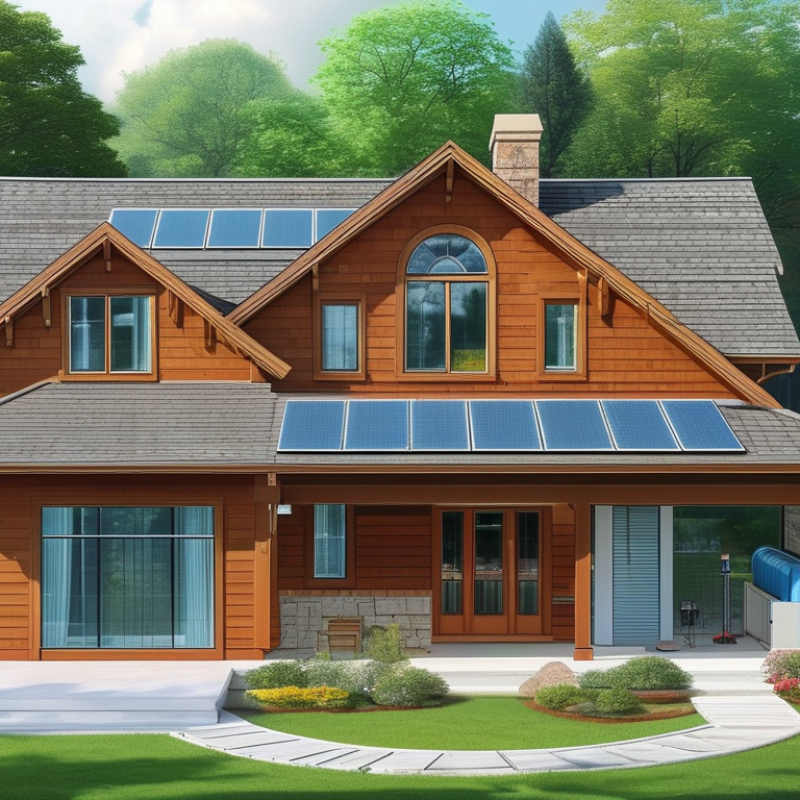
When considering the installation of a geothermal heat pump, several factors can influence the overall cost. The size of your property plays a critical role. Larger homes require more extensive systems, leading to increased expenses. The complexity of your land's layout also affects the installation price. Rocky or uneven terrains typically require more labor and specialized equipment.
Local climate conditions must be factored in as well. Areas with extreme temperatures may necessitate more robust systems, thereby raising costs. Additionally, local labor rates vary. It's wise to obtain multiple quotes to ensure a competitive price.
Tips: Research local contractors thoroughly. Look for those with proven experience in geothermal installations. Ask for references and check their past projects. Understanding your home’s energy needs is crucial. Tailor your geothermal system to match these requirements while considering your budget. This approach could lead to long-term savings.
| Factor | Average Cost ($) |
|---|---|
| Geothermal Heat Pump Unit | $3,000 - $7,000 |
| Installation Labor | $1,500 - $4,000 |
| Ground Loop Installation | $1,500 - $5,000 |
| Ductwork Modifications | $1,000 - $3,000 |
| Permits and Fees | $200 - $500 |
| Tax Credits and Incentives | -$2,000 - -$5,000 |
Geothermal heat pumps (GHPs) come in various types. Each type has distinct features that affect installation costs. The most common types include closed-loop systems and open-loop systems.
Closed-loop systems are widely used for residential applications. They circulate a refrigerant through pipes buried in the ground. The costs for these systems depend on factors like the size of the home and the soil type. Often, they range from $10,000 to $30,000, depending on the installation specifics. Installation may require digging, which can lead to unexpected expenses.
Open-loop systems use groundwater to provide heating and cooling. These systems tend to be less expensive, generally ranging from $5,000 to $25,000. However, their feasibility depends on local water availability regulations. Not every area supports this type of system. A key consideration is the long-term viability of the water source. GHPs can reduce energy bills significantly, but initial costs are a barrier for some homeowners. Evaluating options is crucial for making the best financial decision.
Installing a geothermal heat pump can be a significant investment. The costs vary based on several components and labor requirements. According to industry reports, the price for the system itself typically ranges from $10,000 to $30,000. This wide range reflects differences in system size, type, and property specifics. A closed-loop system generally costs more due to more extensive digging or drilling. The installation process requires skilled professionals, which adds to the labor cost.
Labor can account for 30 to 50% of the total installation cost. Skilled laborers, such as HVAC technicians, are essential for proper setup. Their expertise ensures the system operates efficiently and safely. Installation often involves trenching for a ground loop or boreholes for a water loop. These tasks require heavy machinery and careful planning. In some cases, land characteristics may complicate the installation, potentially leading to higher costs.
Permitting and site assessment also influence expenses. Local regulations may require inspections and approvals, adding time and money. It’s advisable to seek multiple estimates from contractors to gauge an accurate picture of total costs. Understanding installation components, labor demands, and potential challenges can guide homeowners in budgeting for this eco-friendly option.
Geothermal systems offer remarkable potential for energy savings. Homeowners can reduce their heating and cooling bills significantly. According to various studies, these systems can lower energy usage by up to 70%. This energy efficiency translates into real savings over time, especially in regions with extreme temperatures.
In addition to these savings, many local and federal programs provide incentives for installing geothermal heat pumps. Tax credits, grants, and rebates can help offset the initial installation costs. For instance, some homeowners report receiving rebates that cover a significant portion of their system’s cost. This financial support makes the switch to renewable energy sources more appealing and achievable.
Despite the benefits, some homeowners may hesitate. Initial installation costs can be high. The need for land and drilling can complicate the installation process. It's crucial for potential buyers to weigh these aspects carefully. Consulting with a geothermal expert can help navigate these concerns and identify the best options available. Access to reliable information is key to making an informed decision.
Geothermal heat pumps offer significant long-term financial benefits. The initial installation cost can be high, but it pays off over time. Homeowners often see reductions in their energy bills, sometimes by 30-70%. This energy efficiency can dramatically lower monthly costs. Additionally, geothermal systems usually have longer lifespans compared to traditional systems, often lasting over 20 years.
In addition to savings, these systems can increase property value. Many buyers appreciate energy-efficient homes. A geothermal heat pump can be a strong selling point. Some homeowners worry about the installation process. Drilling and excavation might seem daunting. However, these challenges are short-lived compared to the long-term benefits.
Financing options are available, helping mitigate initial expenses. Some incentives or rebates for installation can make the financial decision easier. Regular maintenance is necessary, but the costs are relatively low. Many homeowners find that after a few years, the savings exceed their maintenance expenses. Reflecting on your energy needs can lead you to explore geothermal options thoroughly.
: There are closed-loop and open-loop systems. Each has unique features and cost implications.
Closed-loop systems usually range from $10,000 to $30,000, depending on home size and soil type.
Costs vary based on system type, labor, site conditions, and permitting requirements.
Yes, they typically range from $5,000 to $25,000 but depend on local water availability.
Geothermal systems can reduce heating and cooling bills by up to 70%. This offers significant long-term savings.
Many programs offer tax credits, grants, and rebates to help offset installation costs.
Initial costs can be high, and land or drilling requirements can complicate installation.
Skilled labor can account for 30 to 50% of total costs, ensuring proper system setup and efficiency.
Getting multiple estimates helps gauge total costs and ensures homeowners make informed financial decisions.
Challenges include land characteristics, permitting requirements, and unexpected excavation expenses.
When considering how much does it cost to install a geothermal heat pump, several factors come into play, including the type of system chosen and the specific characteristics of the installation site. The costs can vary significantly based on the type of geothermal heat pump—whether it's a closed loop, open loop, or hybrid system—each with its own set of financial implications. Additionally, installation costs are influenced by components and labor, necessitating careful estimating to ensure a comprehensive budget.
Homeowners may also benefit from potential savings on energy bills and financial incentives that can alleviate upfront expenses. Over the long term, the return on investment (ROI) associated with geothermal heat pumps tends to be favorable, as they can lead to substantial energy savings and increased property value. Thus, understanding the full financial picture is essential for anyone looking to invest in geothermal heating solutions.

PeakWay Pump