In the competitive world of exporting, energy efficiency is key. Many exporters seek ways to reduce operational costs. A promising solution is the DC inverter heat pump. So, how does a DC inverter heat pump save energy? This technology adapts its output based on demand. Unlike traditional systems, it continuously adjusts its compressor speed. This leads to lower energy consumption.
A notable point is that these heat pumps can operate effectively in various temperatures. This flexibility makes them ideal for diverse climates, enhancing their usability for exporters in different regions. They provide consistent heating and cooling, which is vital for maintaining product integrity during transport.
Moreover, integrating a DC inverter heat pump can create a more sustainable business model. The energy savings can contribute to reduced carbon footprints. As more companies aim for eco-friendly practices, this technology aligns with those goals. However, initial costs can be an obstacle. Despite the long-term benefits, some may find it hard to invest upfront. Reflecting on these challenges is important.
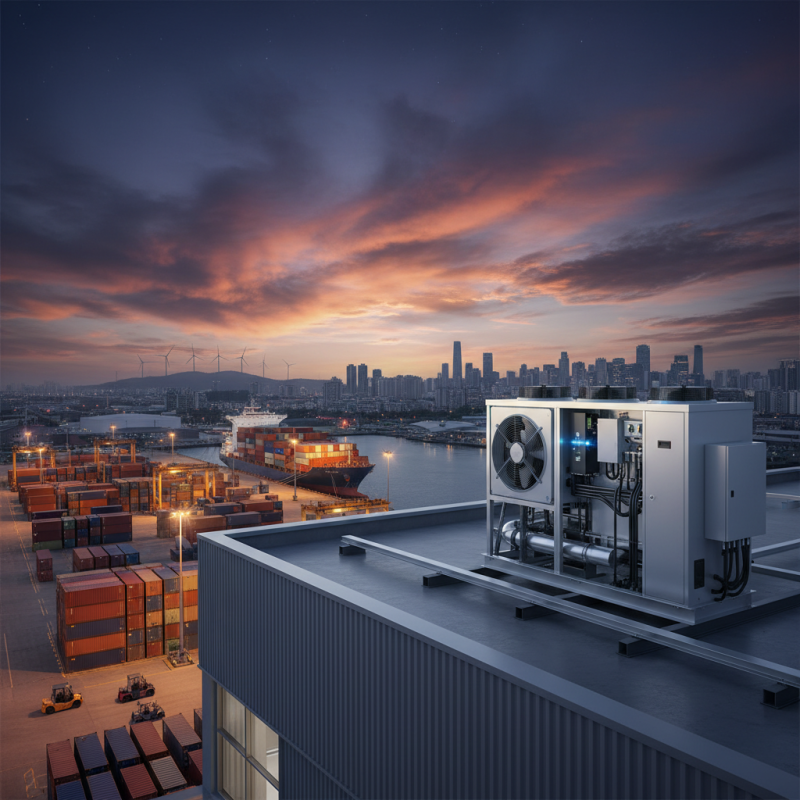
DC inverter heat pumps are gaining attention for their energy-efficient technology. These systems adjust their operation based on heating or cooling demands. This makes them ideal for exporters who aim to reduce energy costs. According to the U.S. Department of Energy, heat pumps can be 2–4 times more efficient than traditional systems. This efficiency is partly due to their variable speed compressors, which consume less energy.
When installed properly, these systems can lead to significant savings. A report from the International Energy Agency mentions that using heat pump technology can reduce energy bills by up to 50%. These savings are crucial for exporters who need to keep operational costs low. Proper maintenance plays a vital role here. Clean filters and regular inspections can enhance efficiency and prolong system life.
Tip: Consider zoning your spaces to maximize the benefits of your heat pump. By controlling temperatures in different areas, you can enhance comfort and efficiency.
Another important aspect is the initial cost. DC inverter heat pumps may be pricier upfront compared to conventional options. However, their long-term energy savings often justify the expense. Evaluating your return on investment is essential. Transitioning to such advanced technology requires careful planning.
DC inverter heat pumps are becoming essential for exporters seeking energy efficiency. According to the International Energy Agency, heating and cooling accounts for nearly 50% of total energy consumption in buildings. By adopting DC inverter technology, businesses can significantly reduce operating costs. These systems modulate their compressor speed based on demand. This means less energy use when full capacity isn’t needed.
Research shows that DC inverter heat pumps can cut energy consumption by up to 30% compared to traditional systems. This efficiency is vital in a competitive marketplace. For instance, a report by the U.S. Department of Energy indicates that using these advanced systems leads to greater energy savings over time. However, initial installation costs can be high. This often deters companies from making the switch, despite potential long-term benefits.
The adaptability of DC inverter systems provides an edge. They operate efficiently in varying conditions, ensuring optimal performance year-round. Still, some exporters feel uncertain about the technology’s reliability. They worry about maintenance and output consistency. Addressing these concerns requires ongoing education and support. Falling behind in energy efficiency could mean a loss of market competitiveness.
DC Inverter heat pumps are becoming essential for optimizing HVAC systems. These units adjust their speed automatically, providing precise heating and cooling. This adaptability leads to enhanced energy efficiency. Compared to traditional systems, they consume less electricity and reduce energy wastage.
One key benefit is their capacity to operate quietly. Many units work at lower decibel levels. This is favorable in environments like offices or residential areas. However, some users may still notice noise during startup. It's essential to choose locations wisely to minimize disruption.
Tip: Regular maintenance is crucial. Clean filters and evaluate refrigerant levels. This ensures that the heat pump runs efficiently.
Users also appreciate the smart technology integrated into these systems. Remote control options allow for easy adjustments. But, not all users find the apps intuitive. If the interface seems complex, it could hinder optimal performance.
Tip: Take time to understand the control features. Customizing settings can lead to significant energy savings. Understanding the technology is vital for maximizing your investment.
DC inverter heat pumps play a vital role for exporters, enhancing operational efficiency. These systems can improve energy consumption significantly. Reports suggest that they can reduce energy costs by up to 30%. This is critical for businesses looking to enhance profit margins.
Moreover, these heat pumps adjust their output based on current demand. This feature helps maintain optimal temperature levels, crucial for product quality. For example, precise temperature control can prevent spoilage in perishable goods. In a competitive market, maintaining product quality is non-negotiable.
However, some exporters may hesitate to invest in this technology. Initial installation costs can be high. This could pose a barrier for small businesses. They may need time to analyze potential savings versus upfront expenses. Evaluating long-term benefits is essential. Understanding this technology can lead to better decision-making.
| Operation Aspect | Before DC Inverter Heat Pump | After DC Inverter Heat Pump | Energy Savings (%) |
|---|---|---|---|
| Heating Efficiency | 65% | 90% | 25% |
| Monthly Energy Consumption (kWh) | 1200 | 900 | 25% |
| Annual CO2 Emissions (tons) | 15 | 11 | 27% |
| Installation Cost ($) | 5,000 | 7,500 | - |
| Return on Investment (Years) | - | 3 | - |
DC inverter heat pumps are gaining attention among exporters looking to cut costs. These systems adjust the temperature of the refrigerant continuously. This leads to efficient energy use. As a result, exporters can significantly reduce their electricity bills. A lower energy consumption translates into savings. These savings can be reinvested into other business operations.
Energy efficiency is not just about cutting costs. It’s also about sustainability. Many exporters are facing pressure to adopt green practices. Utilizing a DC inverter heat pump can help meet these environmental goals. However, initial setup costs might be high for some. This can be a barrier for small businesses. But, the long-term savings can outweigh these initial investments.
In addition to saving on energy, exporters can improve their operational efficiency. A stable temperature is crucial in storage and processing. Fluctuations can lead to product spoilage. By maintaining consistent conditions, exporters minimize waste. This aspect is vital for maintaining quality and compliance. Yet, it does require a careful assessment of needs and resources. Each business must weigh the benefits against potential challenges.
The chart above illustrates the energy consumption of exporters before and after implementing DC inverter heat pumps. A reduction from 15,000 kWh to 10,000 kWh highlights the significant energy savings achieved, demonstrating the cost-effective benefits of modern heating technology.
: DC inverter heat pumps adjust compressor speed. This allows for energy savings based on demand.
Research shows savings of up to 30%. Traditional systems consume more energy overall.
They enhance operational efficiency and reduce energy costs. Keeping product quality relies on stable temperatures.
Initial installation costs can be high. This often deters some businesses from adopting the technology.
Some exporters worry about maintenance and consistency. Ongoing education can help address these concerns.
Lower energy bills create room for reinvestment. Sustainable practices can also improve market competitiveness.
Precise temperature control prevents spoilage. This is vital for maintaining the quality of perishable goods.
The initial setup might be a barrier. However, analyzing long-term savings is essential for decision-making.
Consistent conditions reduce waste. This is crucial for meeting compliance and maintaining quality.
No, it's also about sustainability. Many exporters are encouraged to adopt greener practices.
A DC inverter heat pump is an innovative technology that significantly improves energy efficiency for exporters. Understanding the basics of how these systems operate reveals that they adjust their compressor speed to meet heating or cooling demands more accurately, which reduces energy consumption. The energy efficiency advantages of DC inverter technology stand out, as they utilize less power compared to traditional systems, leading to lower operational costs.
Moreover, DC inverter heat pumps optimize HVAC systems by maintaining consistent temperature control, which is essential for preserving product quality during transportation or storage. This efficient operation directly impacts exporter operations by allowing businesses to save on energy costs and improve their overall productivity. In summary, understanding "how does a DC inverter heat pump save energy" is crucial for exporters looking to enhance their sustainability and reduce costs in today's competitive market.

PeakWay Pump