In today's energy-conscious world, choosing the right air conditioning system is crucial. Many buyers ponder the question: what are the benefits of dc inverter vs fixed frequency systems? Understanding these benefits can greatly impact comfort and savings.
DC inverter technology has gained popularity due to its energy efficiency. It allows the compressor to adjust its speed based on the cooling demand. This results in lower energy bills and a more consistent indoor temperature. In contrast, fixed frequency systems operate at a single speed. They can lead to energy waste and temperature fluctuations, which may not suit everyone’s preferences.
Beyond energy savings, DC inverters are often quieter. They run smoothly without the frequent on and off cycles of fixed frequency units. However, some may find the initial cost of DC inverters high. It raises the question of whether the long-term savings outweigh the upfront investment. Buyers should carefully evaluate their individual needs to make an informed decision. Understanding these critical factors can guide buyers toward a suitable choice for their homes.
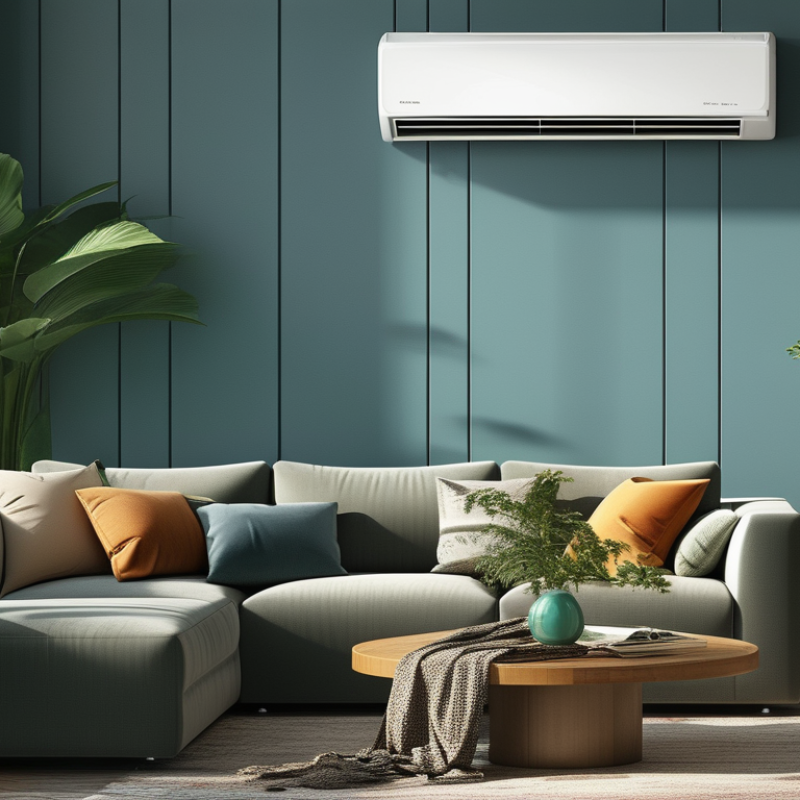
DC inverter technology has revolutionized HVAC systems. Unlike fixed-frequency units, DC inverters continuously adjust their compressor speed to meet demand. This leads to improved energy efficiency and lower utility bills. According to a report by the International Energy Agency, DC inverter systems can save up to 30% more energy compared to traditional models, making them a preferred choice for many buyers.
Utilizing advanced technology, DC inverters operate more quietly and provide consistent temperature control. This not only enhances comfort but also contributes to prolonged appliance lifespan. Research indicates that homes equipped with DC inverter systems experience a significant reduction in temperature fluctuations. However, buyers should consider installation costs; these systems may require more initial investment.
Tip: When choosing a system, review the energy efficiency ratings carefully. Understanding the seasonal energy efficiency ratio (SEER) can help you make a wise decision.
Additionally, maintenance is crucial. Inverters can be sensitive to dirt and blockages. Regular checks can improve efficiency and prevent costly repairs. Investing time in upkeep can extend the life of your system and maintain its performance.
Fixed frequency systems are often considered the traditional choice when it comes to HVAC solutions. These systems operate at a constant speed, delivering a steady output regardless of demand. According to industry reports, nearly 70% of residential HVAC systems still utilize fixed frequency technology. This setup provides simplicity. It is easy to install and maintain. However, inefficiencies can arise. Fixed systems might consume more energy than necessary during low-demand periods.
One notable drawback is the lack of adaptability. Fixed frequency systems do not adjust their performance based on fluctuating indoor conditions. This can lead to discomfort in some spaces. When the temperature changes, the system either runs excessively or not enough. A recent study showed that households with fixed systems could experience utility bill increases of up to 30% during peak demand periods.
Tip: To enhance energy efficiency, consider supplementary zoning strategies. These can help manage temperature variations across different areas. Additionally, regular maintenance is crucial for fixed systems. It ensures they operate optimally, though they may never match the versatility of DC inverters. Be mindful of how often your system cycles on and off. Frequent cycling can lead to premature wear and decreased efficiency.
Energy efficiency plays a pivotal role in the choice between DC inverters and fixed-frequency systems. DC inverters adjust their output based on demand, ensuring minimal energy waste. They typically operate at lower speeds during cooling or heating periods, leading to reduced electricity bills. In contrast, fixed-frequency systems maintain a consistent speed. This can lead to higher energy consumption, as they often run at maximum capacity even when full power isn’t required.
Moreover, the environmental impact of these two systems differs significantly. DC inverters tend to have a lower carbon footprint due to their energy-saving capabilities. They minimize on-off cycling, which not only saves energy but also prolongs the lifespan of the unit. Fixed-frequency units, while often cheaper upfront, may contribute to unnecessary energy consumption and increased emissions over time.
Real-world applications reveal a mixed performance landscape. Some users report satisfaction with fixed systems due to lower initial costs. However, many find that switching to a DC inverter leads to noticeable savings in the long run. Personal experiences can vary, making it essential to weigh initial costs against potential energy savings and environmental benefits.
When considering temperature control, DC inverters stand out for their ability to provide precise regulation. Unlike fixed frequency systems, inverters adjust their compressor speed according to real-time conditions. This means temperatures stay stable within a narrow range. Many users report feeling more comfortable in spaces controlled by DC inverter systems.
Comfort is not just about temperature; it's also about humidity levels. DC inverter units maintain optimal humidity by running longer at lower speeds. This reduces the chances of air becoming too dry or too humid. Some may find that fixed frequency systems can struggle with humidity control, leading to discomfort.
Noise levels also play a role in comfort. DC inverters operate quietly, providing a peaceful environment. Some fixed frequency units can create abrupt noise when they cycle on and off. A quieter environment can improve focus and relaxation at home. However, not everyone may notice this difference immediately. It may take time to appreciate the benefits.
DC inverter systems have gained traction due to long-term savings and efficiency. According to the U.S. Department of Energy, inverter technology can save homeowners up to 30% on energy costs compared to fixed frequency systems. This significant saving stems from the inverter’s ability to adjust power output according to demand, preventing energy waste.
Long-term cost analysis shows the initial investment in a DC inverter system is often higher. However, the energy efficiency pays off over time. A report by the International Energy Agency states that these systems can pay for themselves within five years through reduced energy bills. In fact, studies have shown that inverter systems can last up to 40% longer than fixed systems, reducing replacement and maintenance costs.
While benefits exist, some buyers may hesitate due to upfront costs. Often, they underestimate potential savings from reduced energy consumption. The fluctuating nature of energy prices further complicates the decision. It’s essential for buyers to assess their individual situations, considering usage patterns and regional electricity rates. Balancing initial costs with long-term benefits can be challenging but rewarding.
This chart illustrates the long-term savings of using DC Inverter systems compared to Fixed Frequency systems. The data reflects average energy costs over a period of 10 years, considering maintenance, efficiency, and energy savings.
: DC inverter technology adjusts compressor speed to meet demand, improving energy efficiency significantly.
They can save up to 30% more energy compared to traditional models, benefiting users with lower utility bills.
They operate at varying speeds, which reduces noise and creates a more peaceful environment in homes.
It maintains stable temperatures within a narrow range, resulting in improved comfort compared to fixed-frequency systems.
DC inverter systems often require a higher initial investment that may concern some buyers despite long-term savings.
Dirt and blockages can affect their performance; regular upkeep can enhance efficiency and prevent costly repairs.
DC inverters maintain optimal humidity by running longer at lower speeds, while fixed systems may struggle with humidity control.
It may take time for users to notice improvements in energy savings and comfort levels after the switch.
They have a lower carbon footprint due to energy-saving capabilities and reduced on-off cycling.
They often have lower upfront costs, but may lead to higher energy consumption and potential dissatisfaction in the long run.
The article "DC Inverter vs Fixed Frequency Top 5 Benefits for Buyers" provides a comprehensive comparison between DC inverter technology and fixed frequency systems. It begins by explaining the mechanics and principles of DC inverter technology, highlighting its ability to adjust the compressor speed for consistent cooling and heating. In contrast, fixed frequency systems operate at a constant speed, leading to energy inefficiency and fluctuating temperatures.
A key focus is the energy efficiency comparison, which favors DC inverters for their reduced power consumption and potential for lower electricity bills. Additionally, the discussion on temperature control reveals that DC inverters offer superior comfort levels by maintaining steady indoor climates. Lastly, the cost analysis indicates that while DC inverter systems may have a higher initial investment, the long-term savings make them a more cost-effective choice. Ultimately, the article answers the question of what are the benefits of DC inverter vs fixed frequency systems, emphasizing their efficiency, comfort, and economic advantages.

PeakWay Pump