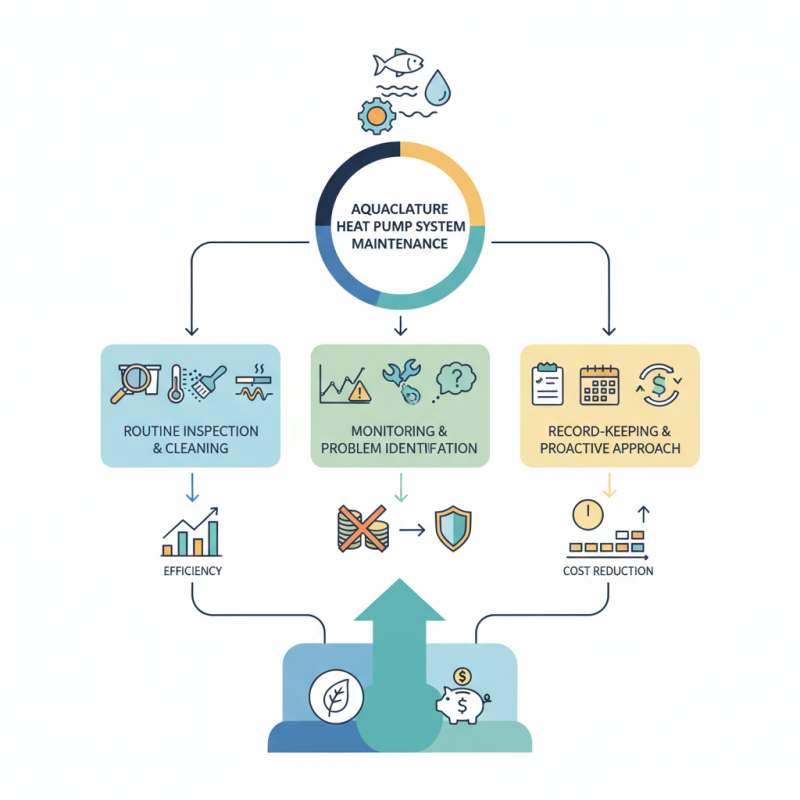
Maintaining an aquaculture heat pump system is crucial for optimal performance and sustainability. According to a report from the Aquaculture Industry Association, effective maintenance can increase energy efficiency by up to 30%. This can lead to significant cost savings for producers. Experts emphasize the importance of proper care. Dr. Emily Tran, a renowned aquaculture systems specialist, states, “Regular maintenance is key to prolonging the lifespan of your heat pump and enhancing productivity.”
The principles of how to maintain an aquaculture heat pump system include routine inspections and cleaning. Over time, dust and debris can accumulate, leading to inefficiencies. Temperature fluctuations might signal underlying issues that require attention. Ignoring these signs can result in costly repairs. Regular assessments can help identify potential problems before they escalate.
Detailed record-keeping of maintenance activities is recommended. This not only helps in tracking performance but also in understanding when certain components may need replacement. Aquaculture systems benefit from a proactive approach. By implementing thorough maintenance practices, operators can safeguard their investments and ensure a more reliable production environment.
Aquaculture heat pump systems play a crucial role in maintaining optimal water temperatures for aquatic life. These systems utilize a heat exchanger to transfer heat from one medium to another, providing efficient temperature control. According to a report from the International Journal of Refrigeration, these systems can operate with a coefficient of performance (COP) of 3 to 5, indicating their energy efficiency. This performance means that for every unit of energy consumed, three to five units of heating or cooling can be provided.
Understanding the core components is key. The compressor, heat exchanger, and expansion valve work together to circulate refrigerant. When properly maintained, these components ensure minimal energy wastage. However, failures can occur. Pump wear, refrigerant leaks, or clogging can reduce performance. Regularly inspecting and replacing filters can enhance system efficiency. Even small issues can lead to significant temperature fluctuations in aquaculture systems, impacting fish health and growth rates.
Data shows that improper maintenance can lead to increased operational costs by up to 30%. By monitoring system performance continuously, operators can identify inefficiencies early. Emphasizing preventative maintenance is crucial in aquaculture. Operators must not only focus on immediate repairs but also develop a strategy to enhance the system’s overall longevity and effectiveness.
Monitoring the key components of your aquaculture heat pump system is essential for optimal performance. Regular assessment not only ensures efficiency but also prolongs the system's lifespan. Temperature control is critical; maintaining water temperatures within optimal ranges can lead to a 30% increase in growth rates for fish and shrimp, according to industry studies.
Another vital component is the heat exchanger. Any drop in efficiency can result in higher energy costs. Even a 5% reduction in performance could see operational expenses rise significantly over months. Regular cleaning and maintenance of the heat exchanger can prevent this issue. Additionally, monitoring refrigerant levels is important. Low refrigerant can lead to diminished heat transfer and increased wear on the system.
It’s insightful to review the compressor regularly. Any unusual sounds or vibrations can indicate underlying problems. Research shows that 70% of system failures stem from compressor issues. Therefore, proactive monitoring and timely repairs can save significant costs down the line. Effective management of these components is crucial, but maintaining a perfect system is often unrealistic. Recognizing these imperfections can lead to better long-term strategies.
Regular maintenance of your aquaculture heat pump system ensures optimal performance and energy efficiency. According to a report by the Department of Energy, proper maintenance can improve system efficiency by up to 30%. Regular inspection plays a crucial role in detecting potential issues early. Checking for leaks and ensuring clean filters are essential to maintain optimal water temperatures.
Tips: Schedule monthly inspections to identify minor problems. This can save costs associated with major repairs later. Monitoring the system’s pressure can also provide early indicators of inefficiency.
Another critical aspect of maintenance is cleaning. Dirty coils can reduce heat exchange efficiency significantly. A study from the Institute of Refrigeration states that neglecting cleaning can decrease performance by nearly 20%. Incorporating a quarterly deep cleaning routine can help preserve system integrity.
Tips: Use a soft brush and mild detergent for cleaning to avoid damage. Ensure the power is off before service to maximize safety. Keeping records of maintenance activities can effectively track the health of your system. This approach can aid in understanding patterns and predicting future issues.
Aquaculture heat pump systems play a vital role in maintaining optimal water temperatures. Regular maintenance helps avoid common issues that can impact system efficiency. Unusual noises or vibrations might indicate issues with the compressor or motor. According to a report by the Aquaculture Engineering Society, 30% of heat pump failures stem from inadequate maintenance practices.
Water flow problems can arise from clogged filters or low water levels. Ensure that the filter is clean and the water level is within the recommended range. Regularly checking these components can prevent significant malfunctions and downtime. Inadequate refrigerant levels could also lead to inefficient heating. A study published in the Journal of Aquaculture Research indicates that improper refrigerant charge is a primary cause of 25% of heat pump inefficiencies.
Monitoring the heat pump’s performance is essential. An unexplained rise in energy consumption can signal hidden issues. Conduct periodic performance audits to detect anomalies. Neglecting small problems can result in costly repairs down the line. Balancing preventive measures with real-time monitoring is crucial for maintaining the longevity and reliability of your heat pump system.
| Issue | Description | Possible Causes | Solution |
|---|---|---|---|
| Low Efficiency | Heat pump is not operating at optimal performance. | Dirty filters, low refrigerant levels, or damaged components. | Clean or replace filters, check refrigerant levels, inspect components. |
| Unusual Noises | Strange sounds coming from the unit when in operation. | Loose parts, debris in the fan, or mechanical failure. | Inspect and tighten loose parts, clear debris, consult a technician if needed. |
| Frequent Cycling | Unit turns on and off frequently. | Incorrect thermostat settings, dirty coils, or refrigerant issues. | Adjust thermostat, clean coils, or check refrigerant levels. |
| Water Leaks | Water pooling around the unit. | Clogged drainage lines or faulty seals. | Clear drainage lines, check and replace seals if necessary. |
| Error Codes | Display of error messages on the unit. | Various electronic or mechanical failures. | Refer to the user manual for specific error codes and troubleshooting steps. |
Proper seasonal shutdown and restart of your aquaculture heat pump system is crucial for maintaining efficiency. When shutting down, first disconnect all power sources. This prevents electrical damage. Next, drain all water from the system. Retaining water may cause freezing and damage, especially in colder climates. A report by the Aquaculture Association indicates that over 30% of operational failures are due to improper maintenance during seasonal changes.
Once the system is shut down, conduct a thorough inspection. Check for corrosion, leaks, and the condition of electrical components. Document any findings and necessary repairs. Neglecting these steps may lead to increased operational costs. According to the Journal of Aquaculture Research, equipment typically lasts longer and performs better with regular maintenance checks, which can increase efficiency by as much as 20%.
Restarting your system requires careful attention. First, ensure all components are dry and clean. Refill the system with water and check for leaks. Gradually restore power to avoid stress on electrical circuits. Utilize temperature settings appropriate for the species you're cultivating. The National Aquaculture Society emphasizes that improper restart procedures can lower productivity and increase mortality rates. Monitoring system performance in the initial days after restart is key for a healthy aquaculture environment.
This bar chart illustrates the energy efficiency (in kW) and operating hours (in hours) of aquaculture heat pump systems across different seasons. Spring shows moderate efficiency and operating hours, while summer peaks in both categories, followed by a decrease in autumn and winter.
: Monitoring ensures efficiency and extends the system's lifespan. Regular checks prevent costly failures.
Keeping water temperatures optimal can increase growth rates by 30%. This is vital for fish and shrimp.
A drop in heat exchanger efficiency can raise energy costs. Even a 5% decline can lead to significant expenses.
Low refrigerant diminishes heat transfer and increases wear. This may lead to malfunction over time.
Unusual sounds or vibrations indicate potential problems. Most system failures are attributed to compressor issues.
Schedule monthly inspections to catch minor problems early. This preempts costly repairs later on.
Neglected coils can decrease performance by 20%. Regular cleaning is essential for optimal heat exchange.
Use a soft brush and mild detergent while ensuring the power is off. This prevents damage and improves safety.
Maintain detailed records of maintenance activities. This helps identify patterns and predict future system issues.
Maintaining an aquaculture heat pump system is crucial for ensuring optimal performance and sustainability in aquaculture operations. To effectively maintain an aquaculture heat pump system, it is essential to understand its functionality and key components, such as the compressor, evaporator, and condenser. Regular monitoring and maintenance practices, including checking refrigerant levels and cleaning filters, can help prevent inefficiencies and extend the system's lifespan.
Additionally, being able to identify and troubleshoot common issues, such as temperature fluctuations or unusual noises, is important for timely intervention. Implementing best practices for seasonal shutdown and restart procedures further enhances the overall reliability of the system. By following these guidelines, aquaculture professionals can ensure that their heat pump systems operate efficiently, ultimately supporting the health of their aquatic environments.

PeakWay Pump