When considering a geothermal heat pump, understanding the expenses is crucial. Experts like Dr. Emily Hart, a leading authority in renewable energy systems, emphasize, “The initial investment is significant, but the long-term savings are worth it.” Many homeowners wonder, “how much does it cost to install a geothermal heat pump?”
Factors such as the size of the home, soil condition, and system type greatly influence the overall cost. On average, installation could range from $10,000 to $30,000. A diligent assessment can shed light on potential expenses. However, the variability can lead to confusion and uncertainty.
It's essential to consider both installation and operational costs. Some installations may involve unexpected challenges, affecting the final price. Seeking multiple quotes might yield insights, but an upfront cost can be misleading. Ensuring quality workmanship is vital, even if it requires a higher initial budget. Understanding the complete picture helps navigate this investment wisely.
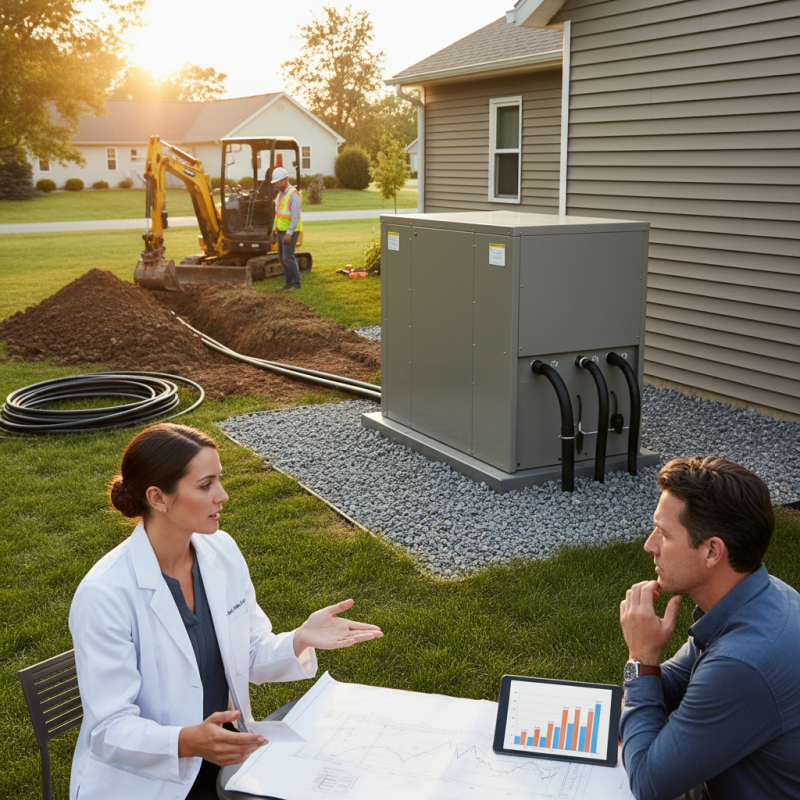
Understanding Geothermal Heat Pumps and Their Benefits
Geothermal heat pumps are a smart choice for energy efficiency. They utilize the earth's stable temperature to heat and cool homes. This reduces reliance on fossil fuels. By tapping into renewable energy, they can significantly lower utility bills. Many homeowners notice a drastic change in energy consumption after installation.
One key benefit of geothermal systems is their longevity. They often last 25 years or more with proper maintenance. This durability makes them a worthwhile investment. However, the upfront costs can be a concern. It requires careful planning and sometimes, financial sacrifices.
The installation process can be complex. It involves digging deep wells or trenches. Homeowners should consider local soil types and climate conditions. These factors can affect performance and costs. Understanding these details is crucial for making informed decisions.
Factors Influencing the Cost of Geothermal Heat Pump Installation
When considering the installation of a geothermal heat pump, several factors come into play. The size of your property is a significant determinant. Larger homes need more extensive systems, which can drive up costs. Site characteristics also matter. Rocky terrain or limited space for installation may require extra labor and specialized equipment, increasing the overall expense.
The type of geothermal system you choose impacts pricing. Closed-loop systems are generally less expensive than open-loop systems. However, local groundwater availability can affect your choice. Installation complexity also varies; a straightforward project could cost less, while intricate designs may require more time and expertise. Labor costs fluctuate depending on location and contractor experience, influencing your budget.
Finally, state incentives and rebates can significantly lower your expenses. Research local programs that support renewable energy projects. Potential tax credits can ease the financial burden. Remember to get multiple estimates. This can help you understand the market rates and avoid overpaying. It's crucial to weigh these factors carefully to make an informed decision.
Estimating Labor Costs for Geothermal Heat Pump Installation
When estimating labor costs for geothermal heat pump installation, several factors come into play. According to the
U.S. Department of Energy, labor typically
accounts for 25-40% of the total installation cost. This
percentage can vary based on regional wage differences and the complexity of the job. For instance, installing a
geothermal system in a densely populated area might increase costs due to limited access and the need for
specialized equipment.
The average labor rate for HVAC professionals ranges from
$25 to $75 per hour. Regions with a higher cost of living
generally see rates on the higher end of this spectrum. Some estimates suggest that a complete geothermal heat
pump installation can take between 3 to 10 days. Thus, labor costs could
easily surpass $2,000 depending on the length of the job
and the number of technicians involved.
Though these figures provide a benchmark, assessing labor costs is challenging. Factors like site conditions and
contractor experience can lead to unexpected expenses. It's crucial to work with reputable contractors who provide
transparent quotes and detailed project breakdowns. This helps avoid hidden charges. Engaging multiple estimates
ensures a more informed decision while considering the experience and reliability of the service providers.
Calculating Equipment and Material Costs for Geothermal Systems
When estimating the cost of installing a geothermal heat pump, focus on equipment and material expenses. Geothermal systems generally consist of several key components. The heat pump itself is a significant portion of the budget. It converts the earth’s energy into heat. The cost varies widely, depending on the size and efficiency. Expect to spend between $3,000 and $8,000 on the unit alone.
Beyond the heat pump, consider the ground loop installation. This involves drilling or trenching to lay the piping. Labor costs for installation can add significantly to the total. Assess local labor rates and availability carefully. A poorly executed installation can lead to hidden costs later. The type of ground loop system—vertical, horizontal, or pond—will also impact pricing. Vertical loops typically cost more due to drilling requirements.
Investigating additional materials is essential too. Insulation, ductwork, and associated plumbing materials can inflate your budget. Don't overlook permits and inspections. These often come with fees that vary by region. Preparing for unexpected costs during installation is prudent. Make sure to gather multiple quotes from experienced professionals. Balancing cost and quality ensures a reliable geothermal system for years to come.
Assessing Long-term Savings and Financial Incentives for Installation
Assessing the long-term savings of installing a geothermal heat pump is crucial for homeowners. Geothermal systems often provide substantial energy savings. According to the U.S. Department of Energy, these systems can reduce heating and cooling costs by 30% to 60% compared to conventional systems. This significant saving can lead to a quick return on investment.
In addition to savings, many states offer financial incentives for geothermal installations. The Database of State Incentives for Renewables & Efficiency (DSIRE) lists over 200 programs in various states. These incentives can include tax credits, rebates, and grants, making the initial cost more manageable. Some homeowners can recover up to 50% of installation costs through these programs.
Evaluating these aspects carefully is essential. Not every installation will yield the same results. Factors such as local energy prices, system size, and installation quality can vary widely. Therefore, conducting a thorough analysis based on these variables is crucial for an accurate cost-benefit assessment.
FAQS
: Several factors impact costs: property size, site characteristics, system type, and installation complexity.
Larger homes need larger systems. This requirement generally leads to higher installation expenses.
Rocky terrain or limited space can increase labor needs, which raises overall costs.
Yes, closed-loop systems are cheaper than open-loop systems. Groundwater availability may affect your choice.
Labor costs can account for 25-40% of total expenses and depend on region and job complexity.
Rates typically range from $25 to $75 per hour, influenced by local living costs and demand.
Installation can take anywhere from 3 to 10 days, depending on the project's complexity.
Comparing estimates helps prevent overpaying and provides insight into market rates and services offered.
State incentives, rebates, and potential tax credits can reduce financial burdens significantly.
Choose reputable contractors who offer transparent quotes and detailed breakdowns to avoid unexpected charges.
Conclusion
When considering the installation of a geothermal heat pump, an important question arises: how much does it cost to install a geothermal heat pump? Understanding the fundamental benefits of geothermal systems, such as energy efficiency and sustainability, serves as a foundation for evaluating their overall value. Various factors influence installation costs, including the complexity of the site, local labor prices, and the specific type of geothermal system chosen.
Estimating labor costs is crucial since skilled installation is essential for optimal performance. Additionally, calculating equipment and material costs, such as the heat pump unit and underground piping, will also impact the total expenditure. However, it's important to consider the long-term savings on energy bills and potential financial incentives, which can significantly offset initial installation expenses and enhance the system's economic viability.

 PeakWay Pump