Heating our spaces efficiently while minimizing energy consumption is critical today. Low temperature heating systems are gaining attention for their environmental benefits and economic feasibility. They work effectively in various settings, including residential and commercial buildings. This is where EVI (Enhanced Vapor Injection) technology plays a significant role.
Understanding why EVI technology is important for low temperature heating can unveil new possibilities. This innovative approach enhances system efficiency by optimizing refrigerant flow. It allows heat pumps to operate effectively, even in colder climates. Users benefit from lower energy bills and reduced carbon footprints. However, there are challenges in implementing this technology.
Developing a clear understanding of EVI's advantages is essential. Users must weigh the costs of integration against the long-term gains. Continuous advancements and research in this field are crucial. Society needs solutions that blend efficiency with sustainability. A nuanced view of EVI technology will encourage informed decisions in the evolving heating landscape.
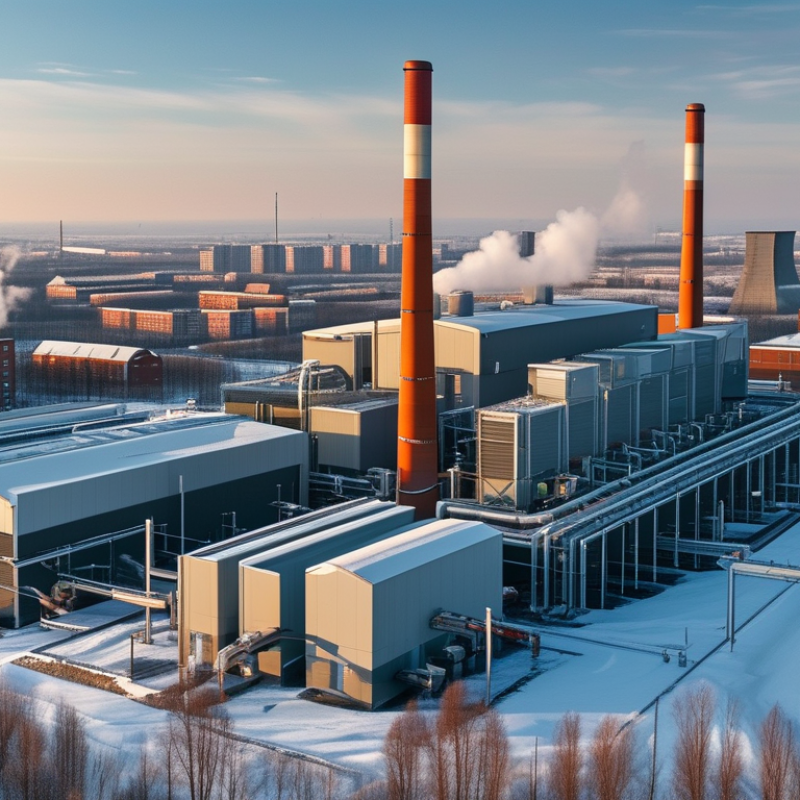
EVI (Enhanced Vapor Injection) technology plays a pivotal role in heating systems designed for low-temperature applications. This innovative approach enhances the efficiency of heat pumps, enabling them to operate effectively in colder climates. Reports suggest that EVI systems can achieve a *seasonal coefficient of performance (SCOP)* of up to 4.0, nearly doubling the efficiency of traditional systems under similar conditions.
EVI technology allows a heat pump to extract heat from the environment more effectively. By injecting vapor at strategic points in the compression cycle, it operates efficiently even when outdoor temperatures drop. According to the *International Energy Agency*, using EVI can lower energy consumption by approximately 25% compared to conventional heating systems. This reduction translates into significant cost savings and lower carbon emissions, making EVI a strong candidate for sustainable heating solutions.
However, EVI technology is not without challenges. Its complexity can lead to higher initial costs and maintenance needs. The technology requires skilled professionals for installation and troubleshooting. Awareness about EVI's benefits and challenges is gradually increasing, yet many still hesitate due to misconceptions about its reliability. As the industry advances, fostering knowledge and understanding will be crucial for wider adoption.
| Dimension | Description | Impact on Low Temperature Heating |
|---|---|---|
| Coefficient of Performance (COP) | A ratio that measures the efficiency of a heating system. | Higher COP indicates improved efficiency in low temperature operation, reducing energy costs. |
| Heating Capacity | The amount of heat a system can deliver per unit of time. | Essential for ensuring adequate warmth in low temperature environments. |
| Refrigerant Type | Fluids used in the refrigerant cycle, impacting efficiency. | Choosing the right refrigerant enhances performance at lower temperatures. |
| Operating Temperature Range | The temperature limits within which a system operates efficiently. | Broadening the range allows better heating in colder climates. |
| Defrost Cycle Efficiency | How effectively a system can manage ice build-up. | Critical for maintaining efficiency in low-temperature operations. |
: Low-temperature heating systems provide efficient heating at lower temperatures than traditional methods.
It can reduce energy consumption by up to 30%, which helps decrease greenhouse gas emissions.
Heat pumps operate best at lower temperatures, making them ideal for energy-efficient heating solutions.
Yes, they can efficiently utilize renewable sources, reducing reliance on fossil fuels.
Existing buildings may not accommodate these systems well, leading to efficiency losses during retrofitting.
EVI stands for Enhanced Vapor Injection, a technology that enhances heating efficiency at low temperatures.
EVI systems can achieve up to 30% higher efficiency than conventional heating systems.
EVI systems can effectively operate at temperatures as low as -25°C.
Yes, they need regular maintenance for optimal performance, which can complicate installation.
The significant reduction in energy use leads to lower carbon emissions and increased efficiency.
EVI (Enhanced Vapor Injection) technology plays a crucial role in heating systems, particularly in the context of low temperature heating. This advancement is vital for reasons including its ability to improve heating efficiency in cold climates and support energy conservation efforts. As energy consumption becomes increasingly scrutinized, understanding why EVI technology is important for low temperature heating is essential. It enhances the performance of heating systems by maintaining higher efficiency even at lower temperatures, making it a preferable choice over traditional heating methods.
Moreover, the advantages of EVI technology extend beyond efficiency; it offers improved operational capabilities that adapt to varying thermal demands. As the industry progresses, future trends in EVI technology indicate continual refinement and development that promise to enhance heating solutions further. This evolution is critical, particularly as the push for sustainable energy practices grows stronger, underscoring the importance of innovative technologies like EVI in creating effective heating systems that are both energy-efficient and environmentally friendly.

 PeakWay Pump