Can a Heat Pump Operate in Minus 25 Degree Weather?

Time:2026-05-05 Author:Aria
0%

In extreme cold, homeowners often wonder, "can a heat pump work in -25 degree weather?" This question is crucial as many regions face harsh winters. Experts like Dr. Michelle Anderson, a leading HVAC scientist, emphasize the capability of modern heat pumps in severe conditions. She states, “Advanced technology allows heat pumps to perform even in the coldest climates.”

Heat pumps utilize ambient temperature to provide warmth. At -25 degrees, their efficiency may decrease but not stop. The cold air holds heat that pumps can extract. However, efficiency drops, potentially raising energy costs. Relying solely on such systems might not suffice in extreme cold, leading to uncertainty for homeowners.

While manufacturers claim operational viability, reality can differ. Many users report decreased warmth at extreme lows, prompting further investigation. Understanding the specific model is key. Some heat pumps are designed for colder climates, while others struggle. Homeowners need to consider their options carefully. Exploration of supplementary heating sources might be wise to ensure comfort during the bitterest months.
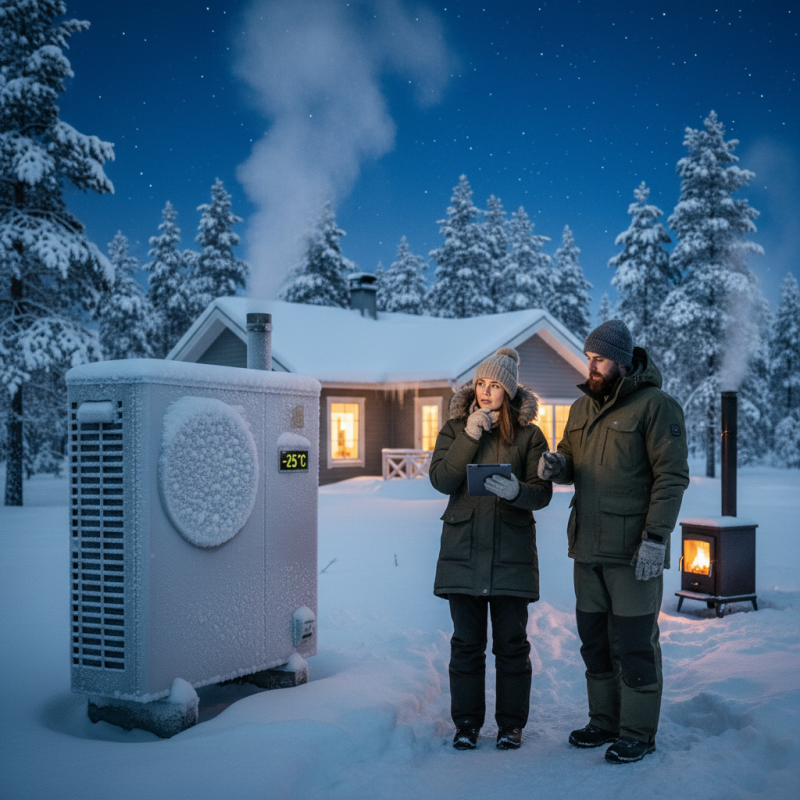
Can a Heat Pump Operate in Minus 25 Degree Weather?

Understanding Heat Pumps: Basics and Functionality

Heat pumps are fascinating devices that extract heat from the environment. They work by transferring heat, even in cold temperatures. But can they function in minus 25 degree weather? It’s a complex question.

In cold climates, heat pumps rely on a principle called refrigeration. They pull heat from the outside air or ground. However, their efficiency drops significantly as temperatures plummet. Many systems struggle to extract enough heat at extreme lows. Frost and ice can build up, affecting performance.

Though they can operate at low temperatures, it's essential to consider limitations. Some units might require supplementary heating when it gets too cold. Regular maintenance becomes vital to keep them running efficiently. Understanding these aspects helps you make informed decisions about heating solutions in harsh climates.

Impact of Low Temperatures on Heat Pump Efficiency

In extremely cold weather, like minus 25 degrees Celsius, heat pumps face significant challenges. These devices rely on ambient air to transfer heat indoors. As the temperature drops, the available heat in the air diminishes. The efficiency of heat pumps decreases drastically. They can still operate, but their performance is not optimal.

Low temperatures can affect the refrigerant flow in heat pumps. At minus 25 degrees, the compressor has to work harder. This can lead to higher energy consumption. Homeowners might notice increased electricity bills during the coldest months. The actual heat output may also fall short of expectations.

It’s crucial to consider system design and installation. Some heat pumps are better suited for extreme cold. Proper insulation and sizing can make a difference. However, many people still rely on backup heating sources in such temperatures. Reflecting on the efficiency under these conditions is essential. Exploring alternative heating options may be necessary for comfort and functionality.

Challenges Heat Pumps Face in Extreme Cold Weather

Heat pumps are increasingly popular for energy-efficient heating. However, their efficiency can drastically decline in extreme cold, such as minus 25 degrees Celsius. According to the U.S. Department of Energy, most heat pumps struggle to maintain optimal performance when temperatures drop below freezing. This presents significant challenges for homeowners in colder climates.

In sub-zero conditions, heat pumps rely on a backup system, often electric resistance heating, to supplement their output. This can lead to higher energy costs. Reports indicate that at minus 25 degrees, the coefficient of performance (COP) for many heat pumps can drop below 1.0. This means using more electricity than the heat delivered. Industry studies suggest that homeowners can expect a 30-50% reduction in efficiency in such weather.

Moreover, the refrigerant used in heat pumps can adversely affect performance in extreme cold. Its ability to absorb heat diminishes, putting added strain on the system. Regular maintenance becomes crucial, yet in severe conditions, issues can still arise. Homeowners must contend with the reality that while heat pumps offer efficiency in moderate climates, extreme cold presents challenges worth considering.

Technological Advancements for Cold Weather Performance

Heat pumps are often questioned for their performance in extreme cold. Operations at minus 25 degrees Celsius challenge traditional heating systems. However, advancements in technology have significantly improved the efficiency of heat pumps in such temperatures. According to a recent study by the U.S. Department of Energy, modern cold-climate heat pumps can maintain up to 200% efficiency even at low temperatures. This means more heat output for each unit of energy consumed, a significant upgrade from older models.

Innovative features are driving this change. Enhanced refrigerants, upgraded compressor designs, and intelligent control systems play a crucial role. For example, variable-speed compressors adjust their operation based on outside temperature. This is valuable because, in colder conditions, heat pumps must work harder to extract warmth from the air. Research suggests that these new technologies allow heat pumps to operate effectively in temperatures down to minus 25 degrees Celsius while keeping energy consumption manageable.

There remain challenges. Users might notice reduced efficiency during extreme cold spells. The initial investment cost can be high for some systems. Additionally, installation complexities may arise, which can deter homeowners. As the market evolves, ongoing research aims to address these hurdles, enhancing reliability and ensuring broader adoption. Exploring this technology further may yield even better solutions for cold weather performance.

Can a Heat Pump Operate in Minus 25 Degree Weather? - Technological Advancements for Cold Weather Performance

Model Heating Capacity (BTU) Efficiency (HSPF) Min Operating Temperature (°F) Noise Level (dB) Defrost Cycle Duration (min)
Model A 30,000 10.0 -15 55 6
Model B 36,000 9.5 -20 58 8
Model C 24,000 10.5 -10 52 5
Model D 42,000 8.0 -25 60 7
Model E 28,000 9.0 -15 54 6

Practical Considerations for Using Heat Pumps in Minus 25 Degree Weather

Heat pumps can face significant challenges when temperatures drop to minus 25 degrees. The efficiency of these systems decreases substantially in such extreme conditions. This can lead to higher energy consumption and potential stress on the unit. Many homeowners may wonder if their heat pump can effectively maintain warmth during frigid weather.

Consider the location of your heat pump. Ensure it is placed in an area that allows clear airflow. A good setup reduces the risk of frost buildup, which can hinder performance. Regular maintenance is essential, especially in harsh climates. Clogged filters or blockages can be more problematic when temperatures plummet.

Tips:

  • Insulate ductwork to minimize heat loss.
  • Use a backup heating system for extremely cold days.
  • Monitor performance accurately; keep an eye on efficiency ratings.

Adjusting your expectations can improve your heat pump's performance. It might not be able to keep every room at a constant temperature. Be prepared for fluctuations, as extreme cold can push limits. Understanding these factors helps in better managing your heating needs.

FAQS

: How do low temperatures affect heat pump efficiency?

: Low temperatures drastically reduce heat pump efficiency, as they rely on ambient air for heat transfer.

What happens to a heat pump at minus 25 degrees Celsius?

At minus 25 degrees, the compressor works harder, leading to increased energy consumption and reduced heat output.

Why might electricity bills rise in extreme cold?

Heat pumps consume more energy in cold weather, causing higher electricity bills during those months.

Can all heat pumps function well in extreme cold?

Not all heat pumps are suitable for very low temperatures; some have better designs for such conditions.

What should homeowners do to prepare for cold weather?

Consider insulation, backup heating systems, and proper heat pump placement for optimal performance.

How often should heat pumps be maintained in cold climates?

Regular maintenance is crucial; check filters and prevent blockages to ensure efficient operation.

What can homeowners expect regarding temperature consistency in extreme cold?

Homeowners might experience fluctuations in room temperatures, as heat pumps struggle under extreme cold.

Is it necessary to have backup heating in severe weather?

Yes, many homeowners find it essential to use backup heating sources when temperatures drop significantly.

How can ductwork influence heat pump performance?

Insulating ductwork helps minimize heat loss, improving overall efficiency in cold conditions.

What is a common misconception about heat pumps in winter?

Some believe heat pumps will maintain a constant temperature, but fluctuations are common in extreme temperatures.

Conclusion

Heat pumps are increasingly being considered for heating solutions even in extreme weather conditions, prompting the question, "can a heat pump work in -25 degree weather?" This article explores the fundamental functionalities of heat pumps and how their efficiency can be significantly impacted by low temperatures. It examines the challenges these systems encounter in extreme cold, such as reduced heating capacity and potential ice buildup, which can hinder performance.

However, advancements in technology have led to the development of heat pumps specifically designed to operate effectively in low temperatures. These innovations aim to enhance cold weather performance, making it more feasible for homeowners to utilize heat pumps even in harsh conditions. Practical considerations for using heat pumps in -25 degree weather are also discussed, offering insights into how these systems can be maintained and optimized for reliable heating. Overall, while challenges exist, ongoing improvements suggest that heat pumps can indeed function in such extreme temperatures with the right adaptations.

Aria

Aria

Aria is a dedicated marketing professional with a deep passion for innovative strategies and a keen understanding of our company's product offerings. With a wealth of experience in the industry, Aria excels at crafting engaging content that highlights the unique features and benefits of our......