In 2026, switching a heat pump from heating to cooling should be simple, but the correct method depends on the thermostat and system design. Most modern units use a reversing valve, controlled through the thermostat’s “Heat,” “Cool,” or “Auto” setting. Before changing modes, check the indoor temperature and confirm that the outdoor unit has clear airflow. A blocked coil, frozen cabinet, or dirty filter can make a normal setting change appear ineffective.
The key question is how to switch between heating and cooling on a heat pump without stressing the equipment. The U.S. Department of Energy explains that air-source heat pumps can deliver two to four times more heating energy than the electricity they consume. ENERGY STAR also emphasizes correct sizing, installation, and airflow for reliable performance. These findings matter in 2026, as homeowners seek lower energy bills without sacrificing indoor comfort. Small details matter. Set cooling near 24°C, close open windows, and wait several minutes after changing modes. The system may pause before starting.
The International Energy Agency’s The Future of Heat Pumps report identifies heat pumps as an important technology for reducing building emissions and fossil-fuel use. However, efficiency is not guaranteed in every house. Poor ductwork, incorrect refrigerant charge, or an aging thermostat can undermine expected savings. That is where manufacturer instructions and a qualified technician become essential. The “Auto” mode is convenient, but it may switch modes unexpectedly during mild weather. For many households, manual seasonal changes remain clearer and more predictable. Even this advice has limits. Local climate, equipment type, and electrical capacity deserve a careful review.
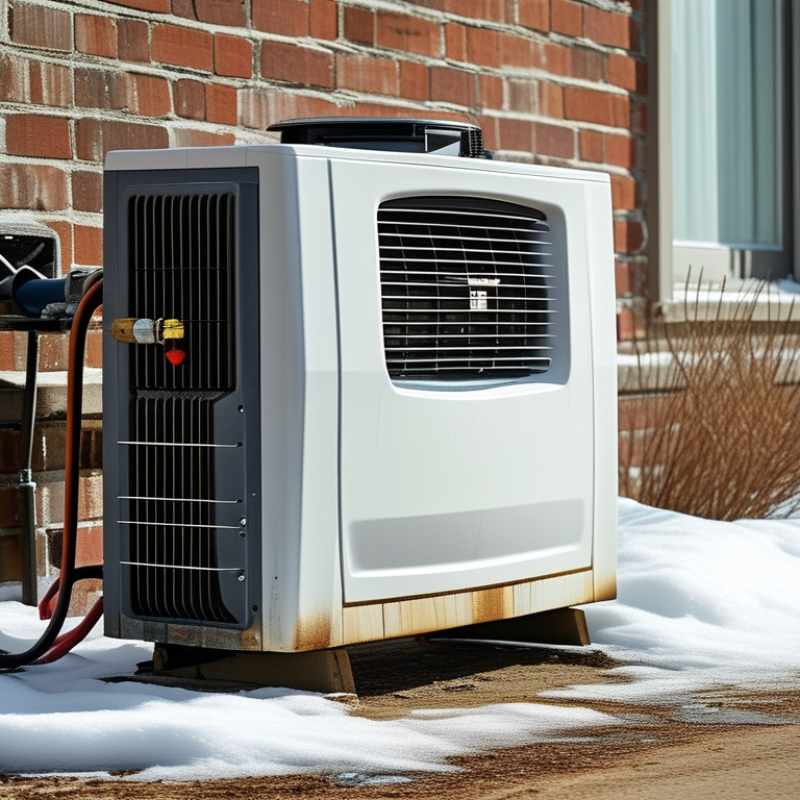
How to Switch Heat Pump Heating and Cooling in 2026?
A heat pump moves heat rather than creating it. In cooling mode, it removes indoor heat and releases it outside. In heating mode, the refrigerant flow reverses through a reversing valve. The outdoor coil gathers available heat, even during cool weather. It sounds simple. In practice, airflow and settings matter.
Set the thermostat to “Heat” or “Cool,” then choose a moderate temperature. Avoid switching modes repeatedly within a short period. Many systems need several minutes before the compressor starts. I usually wait five minutes after changing the setting. This protects the equipment from rapid cycling. If warm air feels cool at first, check the fan setting and allow the system time to stabilize.
Heating performance can change during a defrost cycle. The system may briefly produce cooler air or pause indoor airflow. That behavior is usually normal, but unusual noise or long delays deserve professional inspection. Keep filters clean, and make sure outdoor coils are free from leaves and packed snow. I once assumed a weak heating cycle meant equipment failure. A blocked filter caused the problem instead. That mistake was avoidable. Never force the reversing valve manually. A qualified technician should test refrigerant pressure, electrical controls, and airflow when switching remains unreliable.
Switching a heat pump between heating and cooling starts at the thermostat. Set the system mode to Heat or Cool, then adjust the target temperature by several degrees. Small changes may not trigger the system immediately. Most heat pumps include a short protection delay.
Keep the fan setting on Auto unless continuous airflow is needed. In heating mode, warm air may take a few minutes to appear. Cooling air should feel noticeably cooler after the compressor starts. I once changed the temperature too slightly and assumed the system had failed. It had not. The setting simply lacked enough difference to call for operation.
Check the outdoor unit after changing modes. Remove leaves, plastic, and loose debris from the surrounding area, but never reach inside the grille. Confirm that the fan starts when the system calls for heating or cooling. In cold weather, frost can appear during heating, and a brief defrost cycle is normal. Heavy ice that remains for hours is not. Do not chip it away or pour hot water over the coil. Turn the system off and contact a qualified technician if airflow is weak, unusual sounds continue, or the outdoor unit does not respond. Electrical panels should remain closed. A thermostat reading can also be inaccurate if sunlight falls directly on it, so placement deserves a second look.
| Situation | Thermostat Setting | Outdoor Unit Setting or Condition | Recommended Action | Normal Result | Status |
|---|---|---|---|---|---|
| Switching to cooling | Select Cool and set the target temperature below the indoor temperature. | The outdoor fan and compressor should start after the system's built-in delay. | Close exterior doors and windows, keep supply-air registers open, and allow several minutes for operation to begin. | Supply air becomes cooler and indoor temperature gradually decreases. | Normal |
| Switching to heating | Select Heat and set the target temperature above the indoor temperature. | The reversing valve changes the refrigerant flow direction; the outdoor unit may run in heating mode. | Wait through the startup delay and check that the indoor blower operates after the system begins heating. | Supply air becomes warmer and indoor temperature gradually increases. | Normal |
| Using automatic changeover | Select Auto only if the thermostat supports automatic heating and cooling changeover. | The control system chooses heating or cooling according to the indoor temperature and programmed limits. | Set a reasonable separation between heating and cooling setpoints to reduce frequent mode changes. | The system changes modes automatically when the indoor temperature moves outside the selected range. | Check Settings |
| Changing from heat to cool | Move from Heat to Cool; avoid switching repeatedly within a short period. | Many systems use a protective compressor time delay before restarting. | Wait at least five minutes unless the equipment instructions specify a longer delay. | A brief pause is expected before cooling starts. | Normal |
| Changing from cool to heat | Move from Cool to Heat and confirm the fan is set to Auto for typical operation. | The reversing valve and outdoor controls transition to heating operation. | Allow the system to complete its changeover cycle before judging performance. | A short delay or a temporary change in airflow can occur during transition. | Normal |
| Thermostat shows Emergency or Auxiliary Heat | Use Emergency Heat only when the heat pump is not operating properly; Auxiliary Heat may engage automatically in cold conditions. | Emergency heat normally disables the compressor and uses the secondary heat source. | Check the outdoor unit, circuit breakers, airflow, and thermostat alert. Arrange service if the heat pump will not run. | Indoor heating may continue, but energy use can be higher when the compressor is disabled. | Check Promptly |
| Outdoor unit is in defrost | Leave the thermostat in Heat; do not repeatedly change modes. | Steam, water, or a temporary change in outdoor fan operation may occur while ice is removed. | Keep the area around the unit clear and allow the automatic defrost cycle to finish. | Heating may pause briefly, and auxiliary heat may operate temporarily. | Normal |
| Outdoor unit is blocked | Keep the selected mode unchanged until the obstruction is removed safely. | Leaves, snow, ice, or other objects must not block the coil, fan outlet, or required airflow clearance. | Turn off power before removing debris if necessary; never chip ice from the coil with a sharp tool. | Restricted airflow can reduce heating or cooling capacity and increase operating stress. | Correct Condition |
| Indoor air filter is dirty | The thermostat may continue calling for heating or cooling even when airflow is reduced. | The outdoor unit may run longer because the system cannot transfer heat efficiently. | Inspect the filter and replace or clean it according to its type and the equipment instructions. | Improved airflow may restore more stable heating or cooling performance. | Inspect |
| Unit does not respond | Confirm the thermostat has power, the correct mode, a suitable setpoint, and no active schedule override. | Check accessible breakers or disconnects without opening electrical panels or touching wiring. | If the breaker trips again, the outdoor unit is damaged, or refrigerant lines are affected, stop resetting it and contact a qualified technician. | Repeated resets are not a substitute for diagnosis and may indicate an electrical or equipment fault. | Service Required |
Safety note: Thermostat labels, reversing-valve behavior, auxiliary heat operation, and startup delays vary by system configuration. Follow the equipment manual and use a qualified technician for electrical, refrigerant, wiring, or outdoor-unit repairs.
How to Switch Heat Pump Heating and Cooling in 2026?
Switching from Heating to Cooling Mode
Before changing modes, check the outdoor unit. Remove leaves, dust, and nearby objects blocking airflow. Inspect the indoor filter, too. A clogged filter can reduce cooling performance and increase electricity use. Set the thermostat to “Cool,” then choose a moderate temperature, such as 24–26°C. Avoid switching directly from heating to cooling without waiting several minutes. The system needs time to protect its compressor and complete the changeover.
In cooling mode, the heat pump removes indoor heat and releases it outdoors. You may hear a soft click, followed by fan movement. That sound is normal. Check whether cool air reaches distant rooms after ten minutes. If airflow feels weak, inspect vents and the condensate drain. Small leaks or standing water deserve professional attention. The U.S. Department of Energy reports that heat pumps can deliver up to three times more heat energy than the electricity they consume. This efficiency also supports economical cooling when the system is correctly maintained. The International Energy Agency’s The Future of Heat Pumps report estimates that wider heat pump adoption could reduce global carbon dioxide emissions by at least 500 million tonnes annually by 2030. Still, efficiency claims are not automatic. Poor insulation, incorrect refrigerant charge, or an oversized unit can undermine performance. I have seen owners blame the thermostat too quickly. Sometimes, the real problem is a neglected filter or blocked outdoor coil.
When outdoor temperatures fall, switch your heat pump carefully rather than pressing Heat immediately. Set the thermostat to Off first. Wait about five minutes, then select Heat and choose a moderate setting, such as 20°C. This pause helps reduce sudden compressor pressure changes.
The U.S. Department of Energy reports that air-source heat pumps can deliver two to four times more heat energy than the electricity they consume.
Still, performance depends on outdoor temperature, insulation, and system condition.
Listen for a brief defrost cycle. Steam or dripping water near the outdoor unit can be normal during cold, damp weather. However, thick ice that remains for hours needs professional inspection.
The International Energy Agency reports that heat pumps can be three to five times more energy-efficient than conventional fuel boilers under suitable conditions. That figure is useful, but it is not guaranteed in every home.
I have seen users raise the thermostat sharply, then blame the system for slow warming. That reaction wastes energy and misses the real issue.
Clear leaves and snow from the outdoor coil, but never chip ice with a tool.
Check that supply vents are open and replace a dirty filter.
Keep doors closed between heated and unheated rooms.
If airflow feels weak, temperatures stay low, or unusual sounds continue, record the symptoms and contact a qualified technician. Read the unit’s manual too; general advice can be imperfect.
How to Switch Heat Pump Heating and Cooling in 2026?
Switching modes should start at the thermostat, not the circuit breaker. Select Heat or Cool, then adjust the setpoint by at least three degrees. Wait five minutes before judging performance. Many systems include a compressor delay, so immediate airflow can mislead you.
Test the supply and return temperatures with a reliable digital thermometer. In cooling mode, a typical temperature difference may be 15–22°F, although humidity and airflow change the result. A small difference can indicate a dirty filter, blocked coil, low airflow, or refrigerant trouble. Do not treat temperature split as final proof. The U.S. Department of Energy states that heat pumps can deliver two to four times more heating energy than the electricity they consume. Poor airflow can erase much of that advantage. Check the filter, outdoor coil, fan operation, and duct insulation. Keep outdoor clearance free of leaves and packed snow.
In heating mode, observe the outdoor unit during defrost. Brief steam is normal. Continuous ice is not. The International Energy Agency’s The Future of Heat Pumps report found that heat pumps can achieve efficiencies several times higher than conventional combustion heating. Still, real homes vary. A technician should measure airflow, electrical draw, refrigerant pressure, and temperature rise. Never add refrigerant based on guesswork. That shortcut feels efficient, but it can damage performance. I also find thermostat settings are often blamed too quickly. The control may be fine; the sensor location may be the real weakness. Check both before replacing equipment.
Test system performance after changing modes and allow the equipment to stabilize for about 15 minutes. Measure the temperature difference between return air and supply air at the indoor unit. The ranges below are general field diagnostic guides; always compare results with the equipment manufacturer's specifications.
How to read the chart: A normal heating temperature split is commonly about 15–30°F, while cooling is commonly about 15–22°F. A low split may indicate restricted airflow, a dirty filter, refrigerant problems, or compressor issues. After switching modes, verify that the outdoor fan and compressor start, airflow remains steady, and the system does not short-cycle.
: Set the thermostat to “Cool.” Choose a moderate setting, such as 24–26°C. Wait several minutes before judging airflow.
Many systems use a compressor delay. Waiting protects the compressor and prevents misleading results from immediate airflow.
Remove leaves and dust near the outdoor unit. Clean or replace the indoor filter. Keep vents open and unobstructed.
A soft click and fan movement are usually normal. Loud grinding or repeated clicking needs professional inspection.
After ten minutes, check distant rooms. Cool air should reach them. Weak airflow may indicate blocked vents, dirty filters, or duct problems.
A typical cooling difference may be 15–22°F. Humidity and airflow affect this number. It is only a clue.
Check the condensate drain for blockage. Standing water or visible leaks deserve professional attention.
Yes, brief steam can occur during defrost. Continuous ice is different. It may indicate restricted airflow or another fault.
No. Do not add refrigerant by guesswork. A technician should measure pressure, airflow, electrical draw, and temperatures.
No. Poor insulation, incorrect refrigerant charge, blocked coils, or an oversized unit can reduce efficiency. I may blame the thermostat too quickly.
Learn how heat pumps provide both heating and cooling by reversing the direction of heat transfer through the system. This guide explains how to switch between heating and cooling on a heat pump safely and efficiently in 2026. It begins with the basics of each operating mode, then shows how to check the thermostat settings and confirm that the outdoor unit is ready for operation.
You will also learn the correct steps for switching from heating to cooling and from cooling to heating, including allowing the system time to respond and avoiding rapid mode changes. After switching, testing the airflow, temperature, and system sounds can help confirm normal performance. The guide also covers common issues, such as delayed operation, weak airflow, incorrect thermostat settings, or a unit that does not start, along with practical troubleshooting suggestions and guidance on when professional service may be appropriate.

PeakWay Pump