How to Install a Heat Pump for an Indoor Fish Farm Guide?

Time:2026-07-01 Author:Sophia
0%

When considering how to install a heat pump for an indoor fish farm, understanding the system's complexities is crucial. Heat pumps play a vital role in maintaining optimal water temperatures. These conditions directly affect fish health and growth rates.

Installing a heat pump requires attention to detail. Selecting the right size and type is essential. A pump too small may struggle to maintain temperatures. Conversely, an oversized unit can lead to energy inefficiencies. Therefore, careful planning and assessment of your farm’s specific needs are vital.

Incorporating a heat pump involves more than just installation. It is also about ongoing maintenance and efficiency checks. Regular inspections can help identify issues early, improving reliability. Understanding these factors will ensure a successful and sustainable indoor fish farming operation. The journey may have challenges, but the rewards of healthy fish yield are worth the effort.
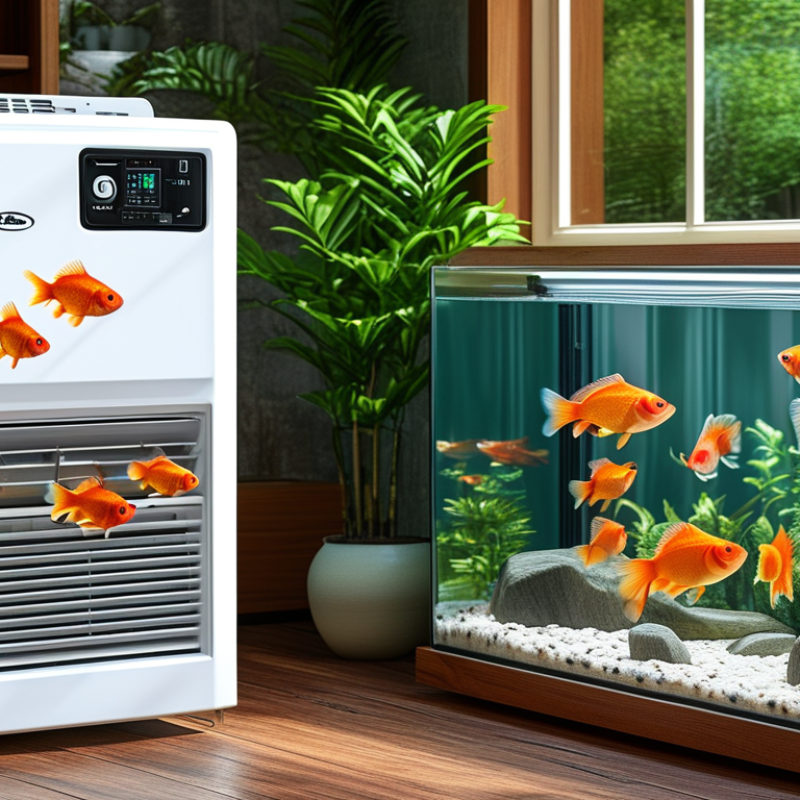
How to Install a Heat Pump for an Indoor Fish Farm Guide?

Understanding the Basics of Heat Pumps for Indoor Fish Farms

When setting up an indoor fish farm, choosing the right heat pump is vital. Heat pumps can efficiently maintain water temperatures, ensuring a suitable environment for fish health. A well-designed system can save up to 30% in energy costs compared to traditional heating methods. According to a report from the International Journal of Aquaculture, the optimal temperature range for many fish species is between 22°C to 26°C. Heat pumps can achieve this range more sustainably.

Understanding the functionality of heat pumps is crucial. They transfer heat from the air or ground to water, using refrigerant cycles. This process allows for consistent temperatures, crucial for breeding and growth stages. Increasing installation efficiency can prevent temperature fluctuations that stress fish. The National Oceanic and Atmospheric Administration highlights that stable conditions can improve fish growth rates by up to 25%. However, choosing the wrong unit could lead to inefficiencies. Users often overlook sizing and placement, leading to suboptimal performance.

A common mistake in heat pump installation is neglecting insulation. Poor insulation can result in energy loss, undermining efficiency gains. Regular maintenance is essential too. Monitoring system performance helps identify potential issues early. Fish farmers can benefit from consulting industry experts to tailor solutions to their specific needs, gaining insights that may not be obvious from general guides. Taking these factors into account can enhance operational efficiency and the health of the fish stock.

How to Install a Heat Pump for an Indoor Fish Farm Guide?

Aspect Details
Heat Pump Type Air Source
Installation Location Indoor Facility
Required Capacity 5-10 kW
Temperature Range 18°C to 26°C
Energy Efficiency Ratio (EER) 3.0 or higher
Installation Steps 1. Site Assessment
2. System Selection
3. Mounting
4. Connection Setup
5. Testing
Maintenance Requirements Regular Cleaning and System Checks

Selecting the Right Size and Type of Heat Pump for Your Setup

Choosing the right size and type of heat pump for your indoor fish farm is crucial. A properly sized heat pump maintains an optimal temperature, ensuring healthy fish growth. Overly large units can cause temperature fluctuations, stressing the fish. Conversely, undersized units may struggle to maintain warmth during colder months.

Start by assessing your fish farm's total volume. Calculate the water capacity to determine heating needs. As a general rule, a heat pump should provide at least 1,000 BTU per 1,000 gallons of water. Seasonal changes can affect efficiency, so consider this when selecting a pump. If you have diverse species, find a flexible unit that accommodates varying temperature preferences.

Research different types of heat pumps available on the market. Some are more efficient but may have a higher upfront cost. Others might be cheaper but will incur higher operating costs. It's essential to weigh these factors based on your farm's specific needs. Seek advice from professionals in the aquaculture industry, but also trust your instincts. The right choice often reflects your unique setup and goals.

Heat Pump Sizing for Indoor Fish Farms

This chart illustrates the recommended heat pump sizes in BTU/h for different fish farm setups, helping in selecting the right type and size for efficient heating.

Step-by-Step Installation Process for Your Heat Pump

Installing a heat pump for your indoor fish farm requires careful planning and execution. Start by selecting the right location for your heat pump. Ensure it is away from direct sunlight and moisture. Consider the layout of your fish tanks and the flow of water. Keep accessibility in mind for future maintenance. Proper positioning enhances performance and efficiency.

Follow a step-by-step process during installation. Begin by mounting the heat pump securely to the ground or wall. Connect the power supply, ensuring it complies with local regulations. Use insulated piping to connect the heat pump to the water system. It’s crucial these connections are sealed tightly to prevent leaks. Check for any potential issues with airflow. An obstructed airflow can lead to higher energy costs and reduced efficiency.

Monitor the system regularly after installation. Look for fluctuating temperatures in your tanks. This could indicate a need for adjustments. Keep an eye on energy consumption levels as well. If costs spike unexpectedly, reassess the installation and make necessary changes. Remember, it’s a learning process. Adjustments might be required to achieve optimal conditions for your fish. You might encounter challenges, but these experiences contribute to a more efficient setup.

Essential Safety Considerations During Installation

Installing a heat pump for an indoor fish farm brings several safety considerations. Proper planning is essential. Ensure the installation area is dry and well-ventilated. Water and electricity do not mix, which can pose serious risks.

Install a ground fault circuit interrupter (GFCI) to protect against electrical hazards. Regularly check connections for signs of wear. This step can prevent dangerous shocks and equipment failure. Be diligent in following electrical codes for your location.

Tips: Always wear personal protective equipment during installation. This includes gloves and safety glasses. Double-check equipment specifications before proceeding. Forgetting a single detail can lead to failures later.

Lastly, ensure proper spacing for airflow around the heat pump. Insufficient space can cause overheating. Regular maintenance checks should not be overlooked. They help identify potential issues early. Being proactive can dramatically extend the life of your equipment.

Routine Maintenance Tips for Optimal Heat Pump Performance

Routine maintenance is crucial for the optimal performance of heat pumps in indoor fish farms. Regular checks help prevent issues that can affect water temperature stability. Monitor the air filters monthly. Dirty filters can reduce efficiency and increase energy costs. Replace or clean them as needed. Schedule inspections every six months to ensure the internal components are functioning well.

Keep an eye on the refrigerant levels. Low levels can lead to inadequate heating, stressing the system. If the refrigerant needs a top-up, consult a professional. Listen for unusual noises, such as rattling or grinding. These sounds often indicate problems that should be addressed immediately.

Always check the drainage system to avoid water buildup. Clogged drains can create moisture issues, impacting fish health. Reflect on past maintenance routines. Perhaps they could be improved for better efficiency. Keeping a maintenance log can help track necessary adjustments over time. Be proactive rather than reactive. Regular attention will result in a more reliable heating environment for your fish.

FAQS

: What should I consider during heat pump installation?

: Ensure the area is dry and well-ventilated. Water and electricity shouldn't mix.

How can I protect against electrical hazards?

Install a ground fault circuit interrupter (GFCI) and check connections regularly.

What safety gear should I wear while installing?

Wear gloves and safety glasses to protect yourself during installation.

Why is proper spacing important for a heat pump?

Insufficient airflow can lead to overheating and equipment failure.

How often should I check air filters?

Monitor air filters monthly and clean or replace them as necessary.

What should I do if I hear unusual noises?

Unusual sounds often indicate problems that need immediate attention.

How often should I schedule inspections?

Schedule inspections every six months to ensure everything is functioning well.

Why is drain maintenance important?

Clogged drains can cause moisture issues, which can harm fish health.

How can I track maintenance effectively?

Keeping a maintenance log helps track necessary adjustments over time.

What can I do to improve my maintenance routine?

Reflect on past maintenance practices and identify areas for improvement.

Conclusion

When learning how to install a heat pump for an indoor fish farm, it's essential to begin with a solid understanding of how heat pumps operate and their benefits for maintaining optimal water temperatures for fish health. Selecting the right size and type of heat pump tailored to your specific setup is crucial in ensuring efficiency and effectiveness during operation.

The installation process involves several steps, including proper placement, plumbing connections, and electrical setup, which must be meticulously followed for safety and performance. Additionally, attention to safety considerations, such as proper handling of electrical components and water interactions, cannot be overlooked. To maintain peak performance, routine maintenance tips will help you keep the heat pump running smoothly, ensuring a thriving environment for your aquatic life.

Sophia

Sophia

Sophia is a dedicated marketing professional with an exceptional depth of knowledge about her company's products and services. With a keen understanding of market trends and customer needs, she crafts insightful blog posts that not only inform but also engage readers, enriching the company’s online......