When considering heating solutions, many homeowners ask, "what is the lifespan of a DC inverter heat pump?" This vital information can significantly impact your investment. Renowned HVAC expert Dr. Emily Chen emphasizes its importance, stating, “Understanding the lifespan helps homeowners make informed decisions about maintenance and replacements.”
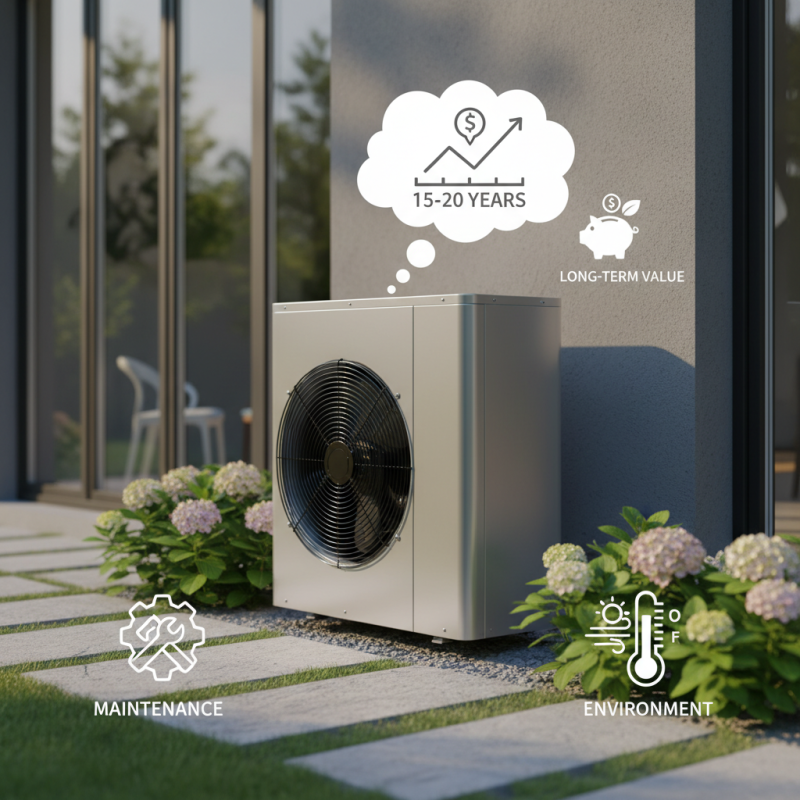
Typically, a DC inverter heat pump lasts between 15 to 20 years. Factors influencing this lifespan include installation quality, maintenance practices, and usage patterns. Regular servicing can enhance efficiency and longevity, ensuring your system operates at peak performance. Nonetheless, some units may fail prematurely due to environmental factors, such as extreme temperatures or poor airflow.
Buying a heat pump is not just about upfront costs. It’s about long-term value. Homeowners should weigh the benefits of energy efficiency against the expense of potential repairs. While heat pumps generally offer reliable service, unexpected breakdowns can occur. Understanding "what is the lifespan of a DC inverter heat pump" provides clarity in navigating these challenges. Your choice today impacts your comfort tomorrow.
DC inverter heat pumps represent a significant advancement in heating and cooling technology. These systems utilize inverter technology to adjust the compressor speed based on the desired temperature, leading to improved energy efficiency. According to a report by the U.S. Department of Energy, inverter-driven systems can achieve up to 30% more efficiency compared to traditional heat pumps.
One key aspect of DC inverter heat pumps is their ability to provide consistent indoor comfort. Unlike conventional systems that cycle on and off, inverters maintain a steady temperature. This not only enhances comfort but also extends the lifespan of the unit. Research suggests that proper maintenance can enable these systems to last between 15 to 25 years, surpassing the typical lifespan of traditional units. Furthermore, studies indicate that factors such as installation quality and climate conditions can significantly impact longevity.
However, challenges exist. The initial investment is typically higher, which can deter some homeowners. Additionally, inverter technology can be more complex to repair. Misunderstandings about system functions may lead to underperformance. Ensuring that technicians are well-trained in inverter systems is crucial. This highlights the importance of choosing skilled professionals for installation and maintenance.
When considering the lifespan of a DC inverter heat pump, several key factors come into play. Typically, these units last between 15 to 25 years. The longevity largely depends on usage, maintenance, and installation quality. Regular upkeep, such as cleaning filters and checking refrigerant levels, can significantly extend their lifespan. On the flip side, neglect can lead to premature failure.
One crucial aspect of maximizing lifespan is ensuring proper installation. A poorly installed unit may not function efficiently, causing wear over time. The environment also matters; extreme temperatures can strain the system. Utilizing timers and smart controls to optimize usage can alleviate stress on the heat pump.
Tips: Always schedule routine maintenance annually. This can prevent minor issues from escalating. Be attentive to unusual noises or irregular performance, as this may signal underlying problems. Invest in professional installation to ensure optimal setup. Regular monitoring will help catch issues before they affect performance.
The lifespan of a DC inverter heat pump can vary widely based on several factors. Successful maintenance plays a crucial role in extending that lifespan. Proper upkeep can add years to the life of heat pumps. Studies indicate that well-maintained systems can last upwards of 15 to 20 years. Neglected systems, however, often fail much sooner, sometimes within a decade.
Regular maintenance tasks include cleaning filters and ensuring adequate airflow. According to the U.S. Department of Energy, a clean filter can improve efficiency by 5% to 15%. This efficiency directly impacts the overall lifespan. Additionally, checking refrigerant levels and inspecting components helps prevent costly breakdowns. In fact, research shows that improper maintenance can reduce a unit's lifespan by an estimated 30%.
Homeowners often overlook maintenance. Small issues left unresolved can snowball into expensive failures. For example, a simple refrigerant leak may lead to compressor damage if not addressed promptly. Taking the time for annual professional check-ups is not just wise; it’s essential for optimal performance and longevity. Skipping maintenance can compromise the effectiveness, leading to higher energy bills and unexpected replacements.
When comparing the lifespan of DC inverter heat pumps to traditional heat pumps, several factors come into play. Generally, DC inverter heat pumps can last between 15 to 25 years. In contrast, traditional systems typically have a shorter lifespan of around 10 to 15 years. This variance is due, in part, to the advanced technology used in DC inverter systems, which allows for more efficient operation and less wear over time.
A study by the U.S. Department of Energy indicates that inverter-driven systems often run under a wider range of conditions without straining components. This translates to lower maintenance needs and fewer repairs, extending their operational life. In fact, some reports suggest that these systems might see a reduction in energy consumption of up to 30%, partly due to their ability to modulate heating or cooling output efficiently.
However, it’s important to note that factors like installation quality and usage patterns significantly impact lifespan. Proper installation by certified professionals is crucial. Additionally, neglecting regular maintenance can lead to early failure. Individuals may celebrate the energy efficiency of DC inverter models yet overlook these critical considerations. Making an informed decision requires a careful review of both immediate and long-term needs.
DC inverter heat pumps are known for their efficiency and longevity.
However, they do age, and recognizing the signs of wear can save you time and money.
Regular monitoring is essential.
Many people overlook minor sounds or inefficiencies until they escalate.
A sudden increase in electricity bills often indicates underlying issues.
Don’t ignore changes in performance.
Another crucial sign is the temperature inconsistency in your space.
If your home feels hot or cold at unpredictable times, the pump may be struggling.
This could stem from various causes, such as refrigerant leaks or motor issues.
Always check for unusual noises.
A grinding or rattling sound might suggest mechanical problems needing attention.
Additionally, visible damages, such as rust or leakage around the unit, signal age-related deterioration.
Clear indicators include reduced airflow or frequent breakdowns.
If repairs become routine, consider the overall lifespan of your unit.
Weigh the cost of continuing repairs against a potential replacement.
Reflect on your heating and cooling needs as they evolve.
: DC inverter heat pumps usually last between 15 to 25 years.
Traditional heat pumps generally have a lifespan of about 10 to 15 years.
Their advanced technology enables efficient operation and less wear over time.
Installation quality and regular maintenance significantly impact a unit's lifespan.
Look for unusual noises, temperature inconsistencies, and increased electricity bills.
It helps identify minor issues before they become major problems and costly repairs.
It often indicates underlying issues with the heat pump.
Rust or leakage around the unit may signal age-related deterioration and should be checked.
If repairs become frequent, evaluate the overall cost compared to replacing the unit.
Consider how your needs evolve over time to make informed decisions.
When considering "what is the lifespan of a DC inverter heat pump," it is essential to understand the technology behind these systems. DC inverter heat pumps are designed for efficiency and adaptability, significantly influencing their longevity. On average, these heat pumps can last between 15 to 20 years, but various key factors such as environmental conditions, usage patterns, and installation quality can impact this lifespan.
Maintenance plays a crucial role in extending the life of a heat pump. Regular servicing can prevent wear and tear, ensuring optimal performance. Compared to traditional heat pumps, DC inverter models often outlast their counterparts due to advanced technology that enables more efficient operation. Additionally, homeowners should look for signs of aging, such as frequent repairs or decreased efficiency, which may indicate it’s time for a replacement. Understanding these aspects can help users maximize the lifespan of their DC inverter heat pump.

PeakWay Pump