When considering heating and cooling options, many homeowners ask, "what is the lifespan of a DC inverter heat pump?" This question reflects a desire for efficient technology that provides comfort year-round. A DC inverter heat pump is known for its energy efficiency and performance stability. However, its lifespan can vary. Several factors impact durability, including installation quality, maintenance routines, and usage patterns.
Experience shows that regular maintenance enhances the lifespan of these systems. Cleaning filters and checking refrigerant levels are small tasks that make a big difference. On the other hand, neglect can lead to early breakdowns. Inconsistent usage may also affect performance. While many manufacturers claim a lifespan of 15 to 20 years, real-world conditions often result in different outcomes.
Often, owners overlook the importance of professional installation. A poorly installed heat pump may not reach its expected lifespan. Understanding these variables is crucial for making an informed choice. Homeowners should be proactive in managing their systems. This knowledge not only maximizes efficiency but also fosters a longer lifespan for their DC inverter heat pumps.
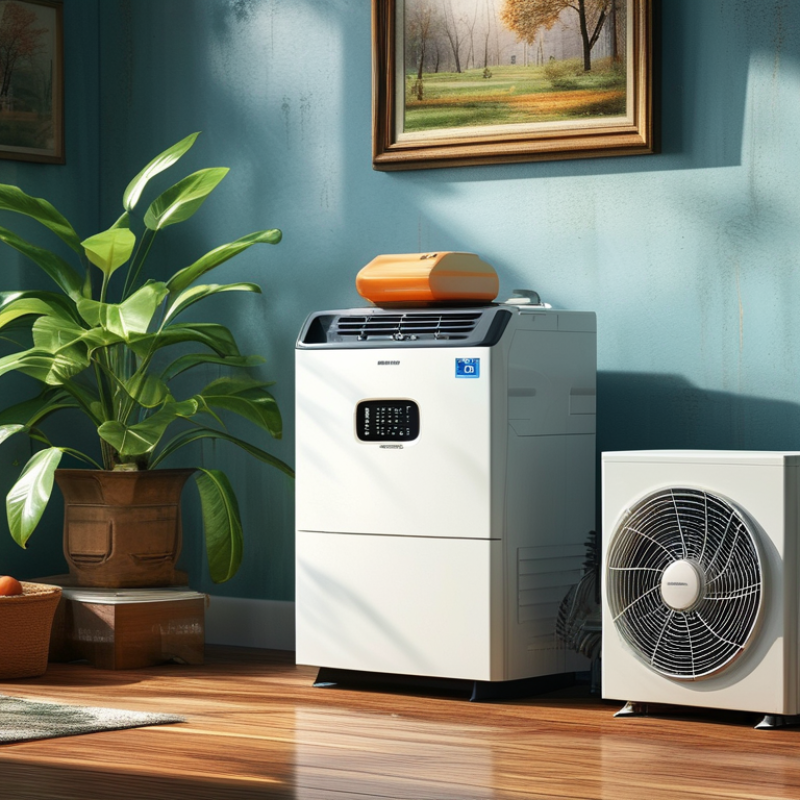
DC inverter heat pumps are revolutionizing the heating and cooling industries. Unlike traditional systems, these pumps adjust their power to match the desired temperature, providing greater efficiency. They use advanced technology to control inverter speed, which improves performance. This flexibility results in lower energy consumption and stable indoor climates.
These systems are designed to last. With proper upkeep, many can operate effectively for over a decade. Regular maintenance enhances their lifespan, though neglect can lead to reduced performance. Users often overlook simple checks, like filter cleaning, which can significantly impact efficiency. It's essential to stay aware of common issues, such as noise or temperature fluctuations, to prolong their service life.
Investment in a DC inverter heat pump brings potential savings. However, buyers should consider installation costs. The initial expense can be daunting, yet the long-term benefits may outweigh it. A thorough evaluation of energy bills can provide insights into the potential financial advantages. Each system has its unique characteristics, and understanding them aids in making informed decisions.
The lifespan of DC inverter heat pumps can vary widely. Several factors influence their longevity. Ambient temperature plays a significant role. Extreme heat or cold can strain the unit. Proper installation is also crucial. A poorly installed system can lead to early failures. Regular maintenance is essential for durability. Neglecting it can shorten the lifespan significantly.
To maximize the lifespan, homeowners should pay attention to their heat pumps. Regularly check filters. Clogged filters can reduce efficiency and increase wear. Additionally, ensure that outdoor units are clean and unobstructed. This allows for optimal airflow and heat exchange.
Remember, not all heat pumps are created equal. The quality of the components affects performance and reliability. Investing in a well-built system can lead to years of efficient use. However, over time, even the best systems may require repairs. Stay proactive about addressing issues. Ignoring minor problems can lead to significant, costly repairs later on.
DC inverter heat pumps have different lifespans based on their models and usage. On average, you can expect these systems to last between 10 to 15 years. Some high-end models may even run efficiently for up to 20 years. Factors affecting lifespan include installation quality, maintenance habits, and local climate. Regular check-ups can help extend the life of your heat pump.
Proper maintenance can enhance your heat pump’s performance. Cleaning the filters every month prevents dust buildup. Inspecting the outdoor unit ensures there are no obstructions. Pay attention to unusual noises; they can indicate underlying issues. It’s crucial to schedule professional maintenance at least once a year.
Sometimes, you might notice that even well-maintained units can start showing age-related issues earlier than expected. Components like compressors or fans may need replacement. This can be an opportunity to reassess your heating needs. Upgrading to a more efficient model could provide better comfort and energy savings. Consider consulting an HVAC professional for personalized advice.
Maintaining a DC inverter heat pump can significantly extend its lifespan. Regular upkeep can preserve efficiency and performance levels. Research shows that most heat pumps last around 15 to 20 years with proper maintenance. However, neglect can cut this lifespan by five years or more. Regular inspections can uncover potential issues early.
Cleaning filters and coils is essential. Dirty components can cause the unit to overwork, leading to breakdowns. According to the U.S. Department of Energy, a clean filter can improve airflow by 50%. This simple task enhances system efficiency. Schedule annual professional servicing to ensure all parts are in optimal condition.
Paying attention to refrigerant levels is another critical aspect. Low refrigerant can indicate leaks and harm system efficiency. The EPA advises checking refrigerant levels during routine maintenance. Homeowners should also monitor their energy bills. A sudden spike can signal problems needing immediate attention. Addressing these issues early ensures a reliable heating and cooling source for years to come.
| Factor | Impact on Lifespan | Estimated Lifespan (Years) | Maintenance Tips |
|---|---|---|---|
| Installation Quality | Proper installation can enhance performance and longevity. | 12-15 | Ensure professional installation by certified technicians. |
| Regular Maintenance | Regular checks prevent major issues and extend lifespan. | 10-15 | Schedule annual maintenance and cleaning. |
| Operating Conditions | Extreme temperatures can reduce efficiency and lifespan. | 10-14 | Ensure proper insulation and avoid extreme operating conditions. |
| Usage Frequency | Frequent use can lead to wear and tear. | 8-12 | Use as per manufacturer recommendations to avoid overuse. |
| Component Quality | High-quality components improve reliability and longevity. | 12-20 | Consider upgrades for critical components during maintenance. |
When monitoring the health of a DC inverter heat pump, signs of aging become crucial to recognize. Typically, the lifespan of these systems ranges from 15 to 25 years. Over time, efficiency may decline, leading to higher energy bills. A study by the American Society of Heating, Refrigerating and Air-Conditioning Engineers (ASHRAE) indicates that a 10% drop in efficiency can occur after ten years of operation.
Leaking refrigerant is another common sign of aging. A heat pump with low refrigerant levels might struggle to maintain desired temperatures. Additionally, strange noises during operation—like grinding or rattling—can signal mechanical issues. Industry data show that 30% of heat pumps face component failures as they age. Regular maintenance helps identify these problems early.
It's also beneficial to consider unexpected performance changes. If your system frequently cycles on and off, it may require attention. Ignoring these signs can lead to costly breakdowns. The Building Performance Institute (BPI) suggests that homeowners should evaluate their heat pumps every few years. This proactive approach ensures better long-term performance and can extend the unit's lifespan.
This chart illustrates the estimated lifespan of a DC inverter heat pump compared to traditional heat pumps. The data reflects average lifespan in years, showing the benefits of investing in a DC inverter model. Signs of aging include decreased efficiency and increased noise levels.
: Regular maintenance, like cleaning filters and coils, is key. Schedule annual servicing to keep components in good condition.
Look for higher energy bills, strange noises, and leaking refrigerant. These indicate potential issues requiring attention.
Clean the filters regularly. A clean filter can improve airflow by 50%. This can prevent breakdowns.
Check refrigerant levels and energy bills. Sudden changes may signal possible problems that need addressing.
If it is over 15 years old and shows signs of inefficiency or frequent on/off cycling, consider a replacement.
Mechanical issues, like grinding noises, and component failures are common as heat pumps age. Regular checks help catch them early.
Yes, professional servicing helps identify hidden issues and maintains optimal performance, potentially saving costs over time.
Absolutely. Neglect can cut lifespan by five years or more due to undetected problems and decreased efficiency.
Yes, ignoring performance drops can lead to costly breakdowns, reducing reliability in heating and cooling.
It's good practice to evaluate it every few years to address potential issues before they worsen.
DC inverter heat pumps are becoming increasingly popular for their energy efficiency and ability to provide consistent temperature control. When considering what is the lifespan of a DC inverter heat pump, various factors come into play, including usage patterns, environmental conditions, and the quality of installation. Typically, these heat pumps can last between 10 to 15 years, depending on these factors.
To maximize the lifespan of your heat pump, regular maintenance is crucial. Routine inspections and timely replacement of filters can prevent wear and tear. Additionally, being mindful of signs of aging—such as unusual noises or reduced efficiency—will help homeowners make informed decisions about when to replace their heat pump, ensuring optimal performance throughout its life.

PeakWay Pump