Top 10 Ways to Optimize a Heat Pump for Underfloor Heating?

Time:2026-07-11 Author:Isabella
0%

Optimizing a heat pump for underfloor heating can greatly enhance efficiency and comfort. Many homeowners seek ways to achieve better results. Knowing how to optimize a heat pump for underfloor heating can make a significant difference in energy bills and overall performance.

When you invest in a heat pump, you expect reliable heating. However, many users overlook simple adjustments that can lead to substantial improvements. For instance, proper installation and insulation are essential. They ensure that heat is distributed evenly and prevents energy loss. Moreover, regular maintenance checks can help identify issues before they escalate.

Incorporating smart technology can also enhance the system's efficiency. Smart thermostats and zoning can help you manage heat where it's needed. Yet, not all homeowners understand these options. Balancing knowledge and practice is key. With thoughtful strategies, anyone can make their underfloor heating work better. Remember, each adjustment contributes to a more effective system, offering both comfort and savings.
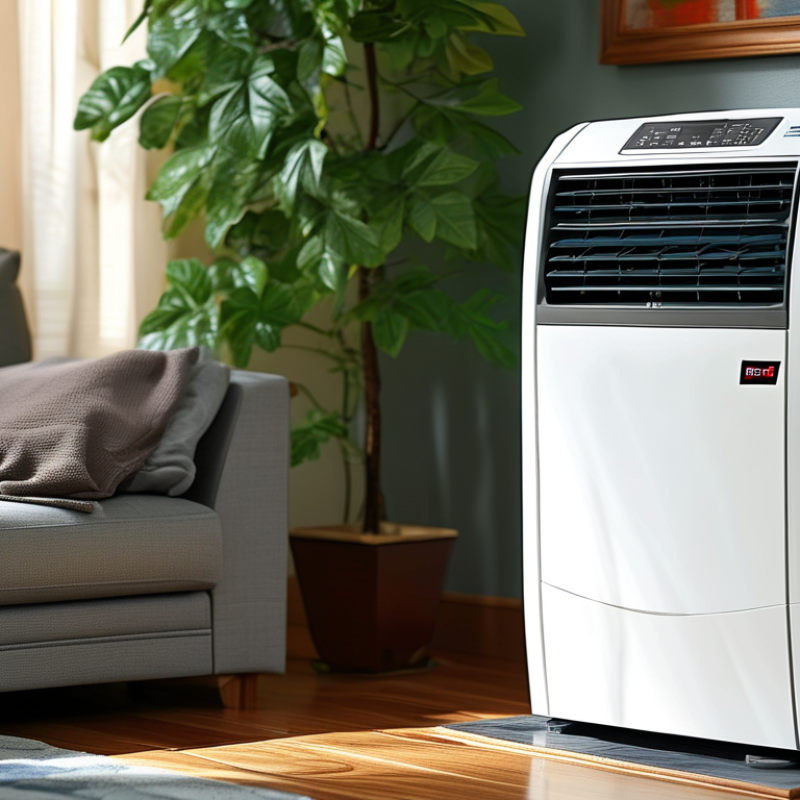
Top 10 Ways to Optimize a Heat Pump for Underfloor Heating?

Understanding the Basics of Heat Pumps in Underfloor Heating Systems

Heat pumps play a crucial role in underfloor heating systems, making them more efficient. These systems utilize the natural heat from the ground or air. According to the U.S. Department of Energy, heat pumps can reduce energy consumption by up to 50% compared to traditional heating methods. This is particularly important as buildings strive for better energy performance.

Understanding the mechanics of heat pumps is key. They transfer heat rather than generating it. This leads to more efficient energy usage. For instance, a well-designed underfloor heating system can achieve a heating output as low as 35°C, allowing the heat pump to operate in optimal conditions. However, improper installation can undermine this efficiency. There's a need to ensure correct sizing and placement of pipes to maximize heat distribution.

Users often overlook the role of insulation. Poor insulation can result in significant energy loss. The Energy Saving Trust reports that up to 25% of heat can be lost through poorly insulated floors. Therefore, proper insulation is essential for the effectiveness of a heat pump. Regular maintenance also factors into performance levels. Without routine checks, the system may not operate at its best. Ensuring these basics are met is vital for achieving the desired efficiency in underfloor heating systems.

Selecting the Right Heat Pump for Optimal Efficiency

Selecting the right heat pump is crucial for achieving optimal efficiency in underfloor heating systems. An effective heat pump should have a high coefficient of performance (COP), ideally above 4.0, indicating it can generate four times more energy than it consumes. According to the U.S. Department of Energy, heat pumps can reduce energy costs by approximately 30% to 60% compared to conventional heating systems.

When choosing a heat pump, consider its compatibility with your underfloor heating design, including the type of flooring and insulation levels. Inadequate insulation can lead to energy loss, reducing efficiency. Reports from the International Energy Agency highlight that poorly matched systems lose significant performance. A professional assessment can help identify the right size and type of pump needed for your specific requirements.

Additionally, monitor the Seasonal Performance Factor (SPF) of your chosen pump. A higher SPF value means better efficiency over varying conditions. Some reports suggest that an SPF of 3.0 is a minimum standard for optimal performance. This allows for better adaptability to seasonal changes, ensuring comfort and efficiency throughout the year. Each installation is unique, so continuously assessing your system is key to improving its performance.

Adjusting Thermostat Settings for Enhanced Performance

Adjusting thermostat settings can significantly enhance the performance of a heat pump used with underfloor heating. A study from the International Institute of Refrigeration indicates that optimizing thermostat settings can save up to 15% on energy costs. This is essential for maximizing efficiency while maintaining comfort within your home. Setting the thermostat a few degrees lower during nighttime or when away can provide substantial long-term savings.

Regularly reviewing your heating zones can also impact efficiency. Different areas of your home can heat up at different rates. Therefore, it may be advisable to program different temperatures for various zones. Research shows that maintaining a consistent temperature can reduce energy consumption by up to 20%. However, many homeowners overlook this aspect, leading to energy waste. Integrating a smart thermostat can help automate these adjustments, ensuring optimal heating without constant manual input.

One common mistake is setting the thermostat too high to feel warmer faster. This approach often backfires, leading to inefficiencies. Higher settings can result in excessive energy use, negating any potential savings. Understanding how each setting impacts your heating bill can lead to better long-term decisions regarding thermostat management.

Regular Maintenance Practices to Ensure Longevity

Regular maintenance of heat pumps plays a vital role in ensuring the longevity of underfloor heating systems. Research indicates that effective maintenance can enhance energy efficiency by up to 20%. Simple actions like regular filter changes can significantly improve airflow and system performance. Ideally, filters should be cleaned or replaced every one to three months. Neglecting this task can lead to reduced efficiency and higher energy costs.

Inspecting the heat pump’s outdoor unit is also critical. Keep it clear from debris, leaves, or snow. Obstructed airflow can strain the system, leading to costly repairs. A study by the International Energy Agency revealed that 30% of heating system failures are due to poor maintenance practices. Regularly checking refrigerant levels ensures optimal performance. Low refrigerant can indicate a leak and should be addressed immediately.

Another essential practice is scheduling annual professional inspections. Trained technicians can identify underlying issues before they escalate. Preventive maintenance is more cost-effective than addressing failures after they occur. Many industry experts suggest that maintenance plans should cover these key areas: system calibration, component checks, and performance assessments. These practices promote reliability and extend the lifespan of the system.

Optimizing Insulation and Floor Materials for Heat Distribution

When considering underfloor heating, insulation and floor materials play crucial roles in optimizing heat distribution. Poor insulation can lead to significant heat loss. Using high-quality insulation materials is essential. This minimizes energy waste and keeps your space comfortable.

Choosing the right floor material affects heat transfer. A dense material like tile retains warmth well. Conversely, carpets can act as insulators, reducing efficiency. Striking a balance between comfort and conductivity is vital. For instance, a tile with a soft backing can enhance warmth without sacrificing efficiency.

Reflecting on your choices often reveals room for improvement. Many people underestimate the impact of insulation thickness. Additionally, the color of flooring influences heat absorption. Darker colors absorb more heat, while lighter shades reflect it. This nuanced understanding can elevate your heating system's performance significantly.

Top 10 Ways to Optimize a Heat Pump for Underfloor Heating

FAQS

: How can adjusting thermostat settings improve energy efficiency?

: Adjusting thermostat settings can save up to 15% on energy costs. Lowering temperatures at night or when away is beneficial.

Why is it important to review heating zones in your home?

Different areas heat differently. Programming various temperatures for zones can reduce energy consumption by up to 20%.

What common mistake do homeowners make with thermostat settings?

Many set the thermostat too high. This can lead to excessive energy use and negate potential savings.

How often should filters be changed for optimal performance?

Filters should be cleaned or replaced every one to three months. Neglecting this can reduce efficiency and increase costs.

Why is inspecting the outdoor unit of a heat pump important?

Keeping the outdoor unit clear from debris is crucial. Blocked airflow can strain the system and lead to costly repairs.

What should you do if refrigerant levels are low?

Low refrigerant may indicate a leak. It’s essential to address this issue immediately for optimal performance.

How can regular maintenance extend the life of a heating system?

Effective maintenance can enhance energy efficiency by up to 20%. Annual inspections can identify issues before they escalate.

What are common elements included in maintenance plans for heating systems?

Maintenance plans typically include system calibration, component checks, and performance assessments. These foster reliability and longevity.

What could happen if maintenance is neglected?

Neglecting maintenance can lead to reduced efficiency. This can result in higher energy costs and system failures.

What are the benefits of a smart thermostat?

Smart thermostats automate temperature adjustments. They help manage heating efficiently without constant manual input.

Conclusion

Optimizing a heat pump for underfloor heating involves a comprehensive understanding of its fundamentals and operational practices. First, selecting the right heat pump is crucial for ensuring optimal efficiency in heating performance. Adjusting thermostat settings can further enhance the system’s output, making the space comfortable while reducing energy consumption. Regular maintenance practices are essential to prolong the heat pump's lifespan, ensuring it operates effectively over the years.

In addition, optimizing insulation and choosing the right floor materials play a significant role in heat distribution. By creating a well-insulated environment and selecting materials that retain heat, homeowners can maximize the benefits of their underfloor heating systems. In summary, knowing how to optimize a heat pump for underfloor heating involves a strategic approach that includes equipment selection, maintenance, and material optimization to achieve efficient heating solutions.

Isabella

Isabella

Isabella is a dedicated marketing professional with a sharp focus on driving brand growth and engagement through strategic content creation. With an extensive background in digital marketing, she combines her passion for storytelling with her keen understanding of industry trends to deliver......