Refrigerants play a crucial role in cooling systems, influencing both efficiency and environmental impact. R290, or propane, emerges as a leading choice for eco-friendly refrigeration. The environmental benefits of R290 are compelling. According to the Environmental Protection Agency (EPA), R290 has a Global Warming Potential (GWP) of just 3, significantly lower than traditional refrigerants like R410A, which boasts a GWP of 2088.
The energy efficiency of R290 is another critical factor. It offers superior thermodynamic properties, leading to lower energy consumption. A study by the International Institute of Refrigeration notes that systems using R290 can reduce energy use by 10-20% compared to HFCs. This efficiency translates into reduced greenhouse gas emissions over time.
However, adopting R290 is not without challenges. Its flammability requires careful handling and design. Once these barriers are addressed, the question remains: why is R290 refrigerant better for the environment? The answer lies in its minimal environmental footprint and sustainability, paving the way for a greener future in HVAC applications.
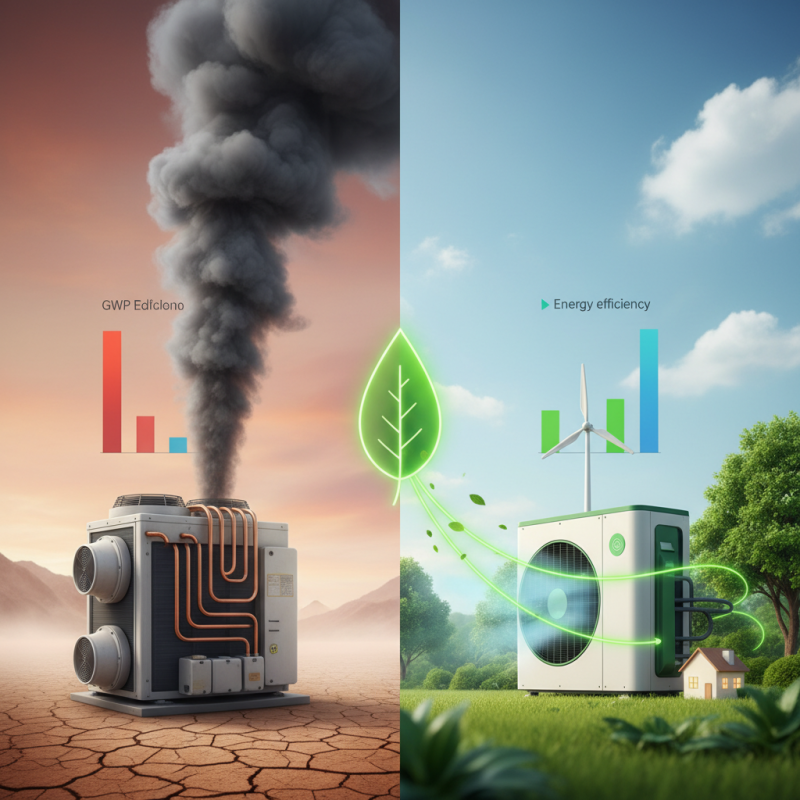
R290 Refrigerant Overview: What Makes It Unique?
R290 refrigerant, also known as propane, stands out for its eco-friendliness. It has a low global warming potential (GWP) of just 3, making it a sustainable option. Unlike traditional refrigerants, R290 does not contribute significantly to climate change. Additionally, it has zero ozone depletion potential (ODP), making it safer for the environment.
One of R290’s unique characteristics is its efficiency in heat transfer. This efficiency translates to lower energy consumption in cooling systems, leading to reduced operational costs. Many users appreciate the balance between performance and ecological responsibility. However, it is flammable, requiring careful handling and training during installation.
Tips for using R290: Always consult with trained professionals to ensure safe installation. Regular maintenance enhances performance and ensures safety. Properly ventilate areas where R290 is used. This creates a safe environment for both equipment and personnel, highlighting the importance of responsible use. Using R290 not only benefits your wallet but also supports a healthier planet. Embrace the change for a better tomorrow.
Why is R290 Refrigerant the Best Choice for the Environment?
R290 refrigerant, known for its low global warming potential and zero ozone depletion potential, proves to be a standout option in promoting environmental sustainability. This chart illustrates how R290 compares against traditional refrigerants across four critical environmental factors.
Environmental Impact of Traditional Refrigerants vs. R290
Traditional refrigerants, such as HFCs, have raised significant environmental concerns due to their high global warming potential (GWP). For example, HFC-134a has a GWP of about 1,430, making it a potent greenhouse gas. In contrast, R290, or propane, boasts a GWP of just three. This dramatic difference highlights R290’s lower environmental impact, making it an increasingly favored option in refrigeration systems.
Moreover, studies indicate that transitioning to R290 could drastically reduce greenhouse gas emissions. A report from the Environmental Protection Agency (EPA) suggests that if manufacturers switched to R290, it could reduce emissions by millions of tons over the next decade. While R290 is flammable, proper safety measures in design and handling can mitigate risks. This aspect requires ongoing assessment and effort to ensure safety in commercial use.
Additionally, using R290 aligns with global sustainability goals. The Kigali Amendment aims to phase out HFCs, prompting many industries to seek greener alternatives. R290’s natural composition not only helps meet these regulatory challenges but also offers a future-focused solution that can lead to a cleaner environment. Nonetheless, the shift to R290 still requires education and adaptation within the industry, reflecting an ongoing journey toward sustainability.
Benefits of R290 for Energy Efficiency in Cooling Systems
R290, also known as propane, is rapidly gaining traction in cooling systems. This refrigerant boasts exceptional energy efficiency, making it an ideal choice for environmentally-friendly refrigeration. According to a report by the International Institute of Refrigeration, R290 has a Global Warming Potential (GWP) of only 3. In comparison, HFCs can have a GWP over 1,000. This stark difference highlights R290's lower impact on climate change.
Research indicates that R290-based systems can reduce energy consumption by 10-30%. This reduction is significant for commercial and residential applications. Energy efficiency translates not only to lower utility bills but also to a reduced carbon footprint. A study from the U.S. Department of Energy suggests that optimizing cooling systems with R290 can lead to substantial savings over time.
Yet, R290 isn't without its challenges. Its flammability raises safety concerns during installation and use. It necessitates stringent safety protocols. Nevertheless, ongoing developments in technology aim to mitigate these risks. As cooling demands grow, R290 presents a compelling option for those prioritizing efficiency and environmental sustainability. The industry must face these concerns yet strive for innovation to fully harness R290’s potential benefits.
Safety Features of R290 Refrigerant Compared to Alternatives
R290 refrigerant stands out due to its impressive safety features compared to traditional options. This hydrocarbon refrigerant has a low toxicity level, making it safer for both users and the environment. In residential applications, R290 minimizes the risk of harmful emissions. Its natural composition ensures that, in case of leaks, it won't contribute to greenhouse gas accumulation.
Flammability is a concern for any refrigerant. However, R290 has a higher ignition temperature, coupled with a lower risk of combustion compared to its synthetic counterparts. This means that, when handled correctly, the risks remain manageable. Training for proper installation and use is essential, yet the benefits of R290 often outweigh the complexities of its handling due to its eco-friendliness.
In some applications, the lower pressure of R290 systems may require modifications to existing setups. This adaptation process can be challenging for technicians. Still, the long-term positive environmental impact makes these efforts worthwhile. R290 aims to revolutionize HVAC systems while confronting safety considerations head-on. Balancing innovation with safety remains crucial as the industry evolves.
Regulatory Support and Future of R290 in Sustainable Practices
R290 refrigerant, also known as propane, is gaining traction in sustainable practices. Regulatory support is essential for its adoption. Governments are increasingly recognizing its low global warming potential. Many regions are implementing policies that encourage the use of natural refrigerants like R290. This shift signals a commitment to reducing environmental impact.
The future of R290 looks promising but presents challenges. While it has many benefits, safety concerns exist due to its flammability. Training and education are crucial for technicians. They must understand how to handle R290 safely. Additionally, not all systems are compatible with this refrigerant. Companies must invest in suitable equipment.
Despite these hurdles, the advantages of R290 can’t be overlooked. It provides excellent energy efficiency and reduces greenhouse gas emissions. Companies adopting R290 can enhance their green credentials. However, there’s still a long way to go. Industry collaboration is necessary to overcome obstacles. Continued research and development will be vital for its success.
FAQS
: R290 is a refrigerant known as propane. It is gaining popularity for its energy efficiency.
R290 can reduce energy consumption by 10-30% in cooling systems. This leads to lower utility bills for users.
R290 has a GWP of only 3, significantly lower than HFCs, which exceed 1,000.
R290 is flammable, raising safety issues during installation and use. Stringent safety protocols are essential.
Governments are implementing policies that promote natural refrigerants like R290. This shows a commitment to environmental sustainability.
Training for technicians is vital for safe handling. Additionally, not all cooling systems can use R290 successfully.
Yes, using R290 can significantly reduce greenhouse gas emissions, helping improve environmental credentials.
Yes, collaboration is vital. It helps overcome obstacles and encourages continued research and development.
Companies can save costs and reduce their carbon footprint over time. However, challenges remain for widespread use.
Ongoing technological advancements can help mitigate safety risks associated with R290, enhancing its benefits.
Conclusion
R290 refrigerant, also known as propane, stands out for its environmentally friendly properties, making it a top choice in sustainable cooling solutions. One of the key reasons why R290 refrigerant is better for the environment is its significantly lower global warming potential (GWP) compared to traditional refrigerants. This reduced impact on climate change positions R290 as a more responsible option for businesses and consumers alike.
In addition to its environmental benefits, R290 offers impressive energy efficiency, resulting in lower energy consumption and cost savings for users. Its safety features, including a natural composition and low toxicity, further enhance its appeal. With growing regulatory support and an increasing focus on sustainability in industries, the future of R290 in cooling systems looks promising, solidifying its status as a frontrunner in eco-friendly refrigerants.

 PeakWay Pump