If you find yourself wondering, "why is my heat pump making a loud noise," you're not alone. Many homeowners experience this frustrating issue. Heat pumps are designed to operate quietly, so unusual sounds can raise concerns about their reliability. Understanding the reasons behind these noises is crucial for effective maintenance and repair.
Common culprits may include loose parts, debris in the system, or issues with the compressor. These problems can lead to further complications if left unaddressed. It's essential to pay attention to the specific sounds—be it rattling, grinding, or hissing. Each noise can indicate different issues that require timely intervention.
Recognizing the importance of addressing these sounds is vital for the longevity of your heat pump. Listening closely can help you identify problems early. Professional guidance might be necessary for severe issues. Don’t ignore those sounds; take action and ensure your heat pump runs smoothly.
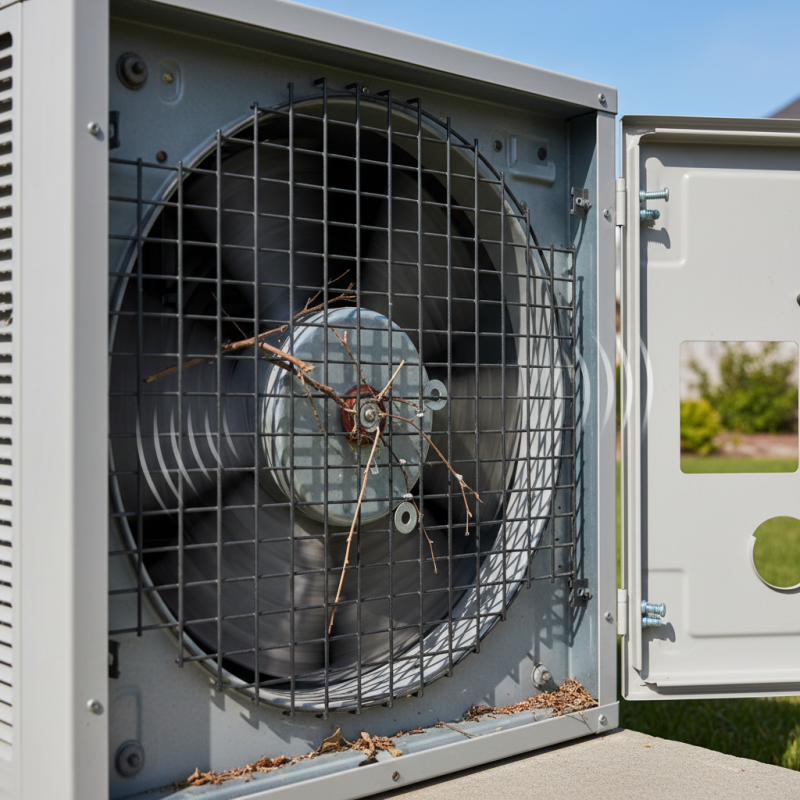
Unusual sounds from your heat pump can signal underlying issues. Common causes include loose components. Loose screws and brackets can create rattling noises. A 2021 report indicated that over 30% of heat pump failures stem from minor mechanical faults.
Another reason for loud noises is ice buildup. When temperatures drop, the heat pump may freeze up. Ice inhibits airflow and creates a grinding noise when the compressor struggles. Research shows that ignoring these noises can lead to costly repairs.
Lastly, electrical issues may cause a buzzing or humming sound. Faulty wiring or components can draw excess power. This not only produces noise but also poses safety risks. Regular maintenance can help mitigate these problems. However, sometimes these repairs are overlooked, leading to bigger issues down the line.
Heat pumps may produce various noises, each indicating different issues. Understanding these sounds is crucial for homeowners. A clanking sound could imply loose parts or debris in the unit. This noise might not seem urgent, but ignoring it can lead to bigger problems.
Squealing or screeching noises often stem from worn-out bearings in the motor. This can hinder performance and ultimately cause breakdowns. Low humming is common during normal operation but can signify an electrical issue if it becomes excessively loud.
Buzzing is another noise that warrants attention. It might indicate a malfunctioning capacitor or contactor. Homeowners should monitor these sounds carefully. Regular maintenance can help mitigate many issues, but recognizing the noises can lead to timely repairs. Be vigilant and listen closely to your heat pump.
| Noise Type | Possible Cause | Recommended Action |
|---|---|---|
| Hissing | Refrigerant leak or expansion valve issue | Contact a professional technician |
| Banging | Loose or damaged parts | Inspect and tighten or replace parts |
| Squealing | Worn-out fan belt | Replace the fan belt |
| Gurgling | Low refrigerant levels | Check refrigerant levels and refill |
| Clunking | Debris in the fan | Clean or remove debris |
| Buzzing | Electrical issues | Seek immediate professional assistance |
| Clicking | Thermostat malfunction | Check or replace the thermostat |
| Popping | Duct expansions or contractions | Consider duct insulation |
| Rattling | Loose panels or screws | Tighten screws and fasteners |
| Whistling | Air leak in ductwork | Inspect and seal ductwork |
Heat pumps are vital for maintaining comfort in homes. However, with age, these systems can become noisy. According to recent studies, systems over ten years old often produce more noise due to wear and tear. Components can loosen, resulting in rattling sounds. A survey from HVAC experts indicates that 70% of aged units experience increased operational noise.
As heat pumps age, their efficiency declines. This decline often leads to excessive noise from the compressor and fans. Research shows that noise levels can rise by 5-10 decibels as systems wear out. Such increases can disrupt daily life. Even normal operation sounds become bothersome for homeowners.
Regular maintenance is essential but often overlooked. Many homeowners neglect to service their heat pumps, allowing minor issues to escalate. Furthermore, 60% of homeowners report ignoring unusual noises until they become severe. This is a missed opportunity for intervention. Understanding the impacts of age and wear can empower homeowners to address issues before they escalate.
Loud noises from heat pumps can be alarming. Understanding how to diagnose these sounds is crucial. Common causes include loose parts, debris, and refrigerant issues. Identifying the source is your first step. Listen carefully to the sounds your heat pump makes. Different noises can indicate specific problems.
If you hear banging, there may be loose components inside. Rattling sounds could result from debris caught in the unit. High-pitched whining suggests a refrigerant leak. Never ignore these noises. Not only do they disrupt comfort, but they also can signal potential failures.
**Tip:** Regular maintenance is essential. Check the outdoor unit for debris. A clean unit operates more efficiently and quietly.
**Tip:** Inspect your ductwork. Loose connections can cause alarming sounds. Tighten any visible joints to reduce noise.
Addressing loud noises promptly can prevent larger issues. Your comfort depends on a well-functioning heat pump. Don’t let minor sounds escalate into major repairs. Stay proactive and attentive to your heat pump’s performance.
Heat pumps can be noisy, which is often a cause for concern. Preventive maintenance is key to reducing these noise issues. Regular checks can identify potential problems before they escalate. This proactive approach not only minimizes noise but also enhances the efficiency of your heat pump.
One effective tip is to clean or replace the air filters regularly. Clogged filters can obstruct airflow, making the unit work harder and produce more noise. Another useful practice is to ensure that the outdoor unit is free from debris, such as leaves and branches. Such buildup can lead to operational inefficiencies and increased sound levels.
It's also beneficial to schedule annual inspections with a qualified technician. They can detect issues like loose components or worn-out parts that may contribute to unwanted noise. Regular maintenance helps ensure your heat pump operates quietly and efficiently. Remember, neglecting maintenance can lead to louder noises and costly repairs down the line.
: Common causes include loose parts, debris, and refrigerant issues.
A banging noise may suggest loose components inside the heat pump.
Rattling sounds often result from debris. Remove any caught debris from the unit.
High-pitched whining could signal a refrigerant leak. Address it promptly to avoid issues.
Regular maintenance keeps the unit clean and functioning well, reducing noise levels.
Inspect outdoor units for debris and clean or replace air filters regularly.
Loose connections can cause rattling noises. Tightening them can minimize sound disturbances.
Ignored noises can escalate into costly repairs and failures over time.
Annual inspections with a qualified technician are recommended for optimal performance.
Clogged filters obstruct airflow, leading to more noise and decreased efficiency.
If you're wondering "why is my heat pump making a loud noise," understanding the common causes can help you diagnose the problem effectively. Heat pumps can produce various sounds due to factors such as loose components, debris accumulation, or motor issues. It's essential to recognize the different types of noises—rattling, banging, or squealing—as each can signify different underlying issues.
The age and wear of your heat pump can significantly impact its noise levels, leading to more frequent disturbances. Regular preventive maintenance is key to minimizing these noise issues, ensuring your system operates smoothly and quietly. By addressing any loud noises promptly and performing routine checks, homeowners can enhance their heat pump's performance and longevity.

PeakWay Pump