Swimming pools provide a relaxing retreat, especially in warmer months. However, many pool owners face a common issue: "why is my swimming pool heat pump not heating?" According to industry studies, about 30% of pool heat pump failures stem from improper maintenance and installation. This highlights the importance of understanding the components of your heating system.
Heat pumps rely on efficient operation to maintain comfortable water temperatures. Factors like cleanliness, ambient temperature, and water chemistry play crucial roles. For example, a heat pump operating in temperatures below 50°F may struggle to heat effectively. Many owners overlook these details, which can lead to disappointment.
Understanding the intricacies of your heat pump system can prevent costly repairs and ensure optimal performance. Regular care is essential to keep your system running smoothly. Addressing issues early can improve longevity and functionality, reminding owners that prevention often requires more than just adequate troubleshooting.
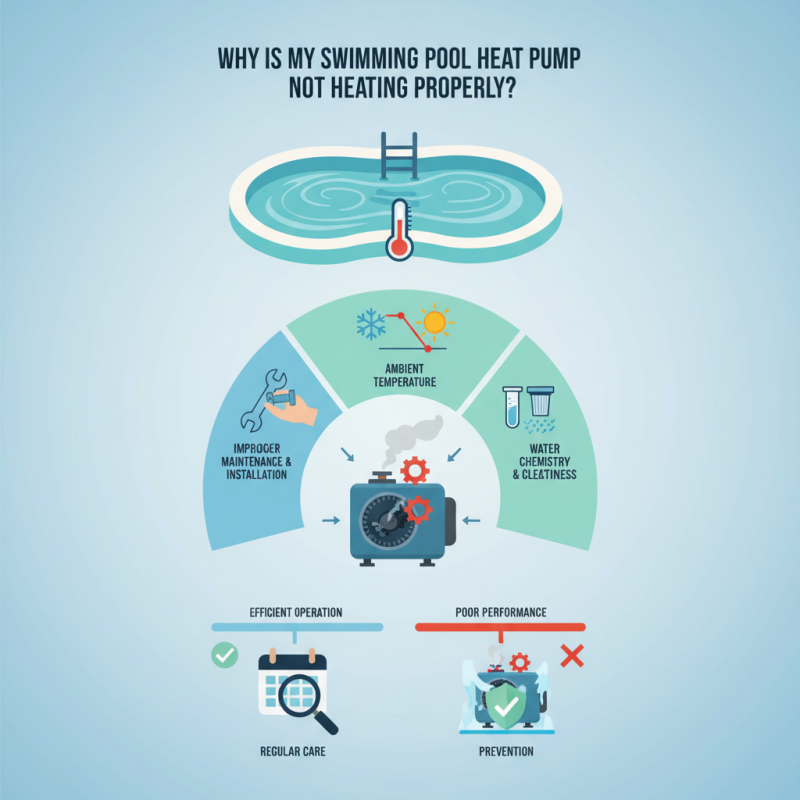
A swimming pool heat pump may not heat effectively for several reasons. Low refrigerant levels are a common culprit. If there’s a leak, the pump can’t generate heat properly. Regular inspections can help catch these issues early.
Another reason could be improper installation. An unlevel heat pump or blocked airflow can hinder performance. Check for any debris around your unit. Assessing the placement and ensuring clear airflow is crucial for efficiency.
Additionally, cold outdoor temperatures can impact performance. Heat pumps struggle to extract warmth from the air when temperatures drop too low. In such cases, using a secondary heating source may be necessary. Understanding these factors can prevent frustration and ensure your pool stays warm when you need it.
When your swimming pool heat pump fails to heat properly, it can be frustrating. Recognizing the signs of malfunction is crucial. One key indicator is insufficient heat output. If the water remains cold, despite the pump running, something may be wrong. Check the thermostat settings. Ensure it's set to the desired temperature. A miscalibrated thermostat can lead to ineffective heating.
Another sign to watch for is unusual noises. If you hear loud clanking or grinding sounds, this may indicate mechanical issues. These noises can signal loose parts or wear and tear. Regular maintenance can help prevent such issues, but it's important to remain vigilant. Additionally, check for abnormal vibrations. A stable pump should operate smoothly. If it shakes or rattles, seek professional assistance quickly.
Finally, inspect for leaks around the unit. Water accumulation can point to internal problems. Standing water might affect performance and efficiency. Addressing these signs early can prevent larger issues down the line. Keeping a close eye on your heat pump will ensure better pool enjoyment.
Regular maintenance of your swimming pool heat pump is essential for optimal performance. Statistics show that 70% of heat pump issues stem from neglect. A clean heat exchanger can significantly improve efficiency. This component transfers heat, and even a small buildup of debris can hinder its function.
Checking water flow is also critical. Reduced flow can make your heat pump work harder, leading to increased energy consumption. Experts recommend inspecting filters monthly and replacing them as needed. Water quality matters too; improper pH levels can cause corrosion. Maintaining a balanced chemistry ensures longevity and efficiency.
In some reports, up to 30% of heat pump users experience issues due to inadequate maintenance practices. Insulating piping can be beneficial as well. If pipes lose heat before reaching the pool, the pump will strain to compensate. Regular checks can help identify and rectify these problems. Reflection on these aspects can lead to improved performance and reduced costs.
| Issue | Possible Causes | Maintenance Tips | Frequency of Maintenance |
|---|---|---|---|
| Not Heating | Low refrigerant levels | Check refrigerant levels and recharge if necessary | Seasonally |
| Inefficient Heating | Dirty filters | Clean or replace filters | Monthly |
| No Power | Tripped circuit breaker | Reset the breaker and check connections | As needed |
| Unusual Noises | Debris in the unit | Inspect and clean out debris | Every few months |
| Leaking Water | Faulty seals | Inspect and replace worn seals | Annually |
A swimming pool heat pump plays a crucial role in maintaining comfortable water temperatures. If your system is not heating properly, it could be due to several factors. Start by checking the thermostat settings. Sometimes, simple adjustments can clear up issues that seem complex.
Tip: Create a regular maintenance schedule. Regularly clean or replace filters, as dirty ones can reduce efficiency by 25% or more, according to industry reports. Inspect the heat exchanger for scale buildup, which can lead to inadequate heating.
Another common issue could be low refrigerant levels. Leaks or insufficient charging can greatly impact heating performance. As revealed in a study by the Pool & Spa Association, nearly 40% of heat pump failures relate to refrigerant problems.
Tip: Ensure your heat pump is in a dry, unobstructed area. This can enhance airflow and improve overall performance. Don't overlook the outdoor temperature; heat pumps work less efficiently in temperatures below 50°F. Understanding these elements can lead to a more reliable experience with your swimming pool heating system.
A malfunctioning swimming pool heat pump can lead to significant discomfort. Recognizing when to seek professional help is crucial. According to the National Swimming Pool Foundation, approximately 30% of pool owners encounter heating issues each year. If your heat pump fails to maintain the desired water temperature, it's time to consult an expert.
Unusual noises or frequent cycling of the unit are common indicators. These issues often stem from inadequate refrigerant levels or faulty electrical components. Research indicates that nearly 40% of heating problems are related to improper installation or maintenance lapses. Ignoring these signs can exacerbate the situation and lead to costly repairs.
Professionals use advanced diagnostic tools to identify underlying problems. Their expertise ensures that issues are resolved efficiently. A study by the Association of Pool & Spa Professionals highlighted that timely intervention can increase a heat pump’s efficiency by up to 25%. Engaging an experienced technician can save both time and money. Don't hesitate when symptoms arise; proactive measures are essential.
The chart above illustrates the common issues faced by swimming pool heat pumps based on a survey of 100 cases. The most frequently reported problem is insufficient heating, followed by circuit issues, airflow problems, thermostat malfunctions, and refrigerant issues. If you encounter these problems, it may be time to seek professional assistance to ensure proper functionality.
: Start with the thermostat settings. Adjustments may resolve the issue easily.
Create a regular maintenance schedule. Clean or replace filters regularly to maximize performance.
Low refrigerant levels can greatly affect heating. Check for leaks or insufficient charging.
Place it in a dry, unobstructed area. This enhances airflow and overall performance.
Heat pumps are less efficient below 50°F. Keep this in mind for consistent heating.
If it fails to maintain temperature, unusual noises occur, or frequent cycling happens.
Frequent cycling and unusual noises often point to improper installation or inadequate refrigerant.
Professionals use diagnostic tools to find problems. Their expertise can improve efficiency significantly.
Ignoring problems can worsen the situation, potentially leading to costly repairs.
Timely help can increase a heat pump's efficiency, saving you both time and money.
If you're grappling with the question, "why is my swimming pool heat pump not heating," there are several common reasons to consider. Ineffective heating could stem from issues such as low water flow, dirty filters, or improper temperature settings. Identifying the signs of a malfunctioning heat pump is crucial; look for irregular noise levels, error codes, or inconsistent water temperatures which may indicate underlying problems.
To enhance your heat pump's efficiency, routine maintenance like cleaning filters and checking for obstructions in the water flow is essential. If you encounter persistent heating issues, follow systematic troubleshooting steps, such as verifying power supply and ensuring proper thermostat settings. However, if these efforts do not resolve the problem, it may be time to seek professional help to avoid further complications. Regular care and awareness can make a significant difference in maintaining an efficient swimming pool heat pump.

PeakWay Pump