Top Tips for Maintaining Your Aquaculture Heat Pump System?

Time:2026-08-25 Author:Ethan
0%

Maintaining an aquaculture heat pump system is crucial for optimal operations. According to Dr. Jane Thompson, an expert in aquaculture technology, “Regular maintenance can save costs and enhance efficiency.” Her insights shed light on the importance of care and attention in this area.

Understanding how to maintain an aquaculture heat pump system can seem daunting. However, simple steps can prevent larger issues. Routine checks, for example, can identify small problems before they escalate. Regular cleaning of filters and coils is essential to ensure smooth operation.

Moreover, monitoring system performance is vital. Small fluctuations can indicate underlying issues. Documenting these changes helps in timely interventions. Acknowledging that unexpected breakdowns may still occur is important. Investing in regular servicing can make a significant difference in your system's longevity and performance.
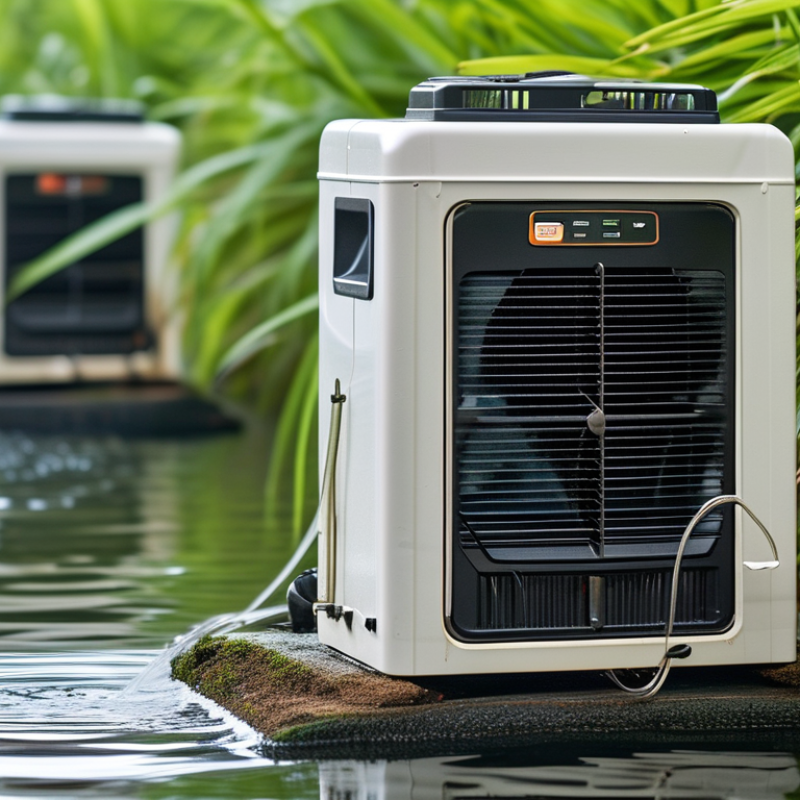
Top Tips for Maintaining Your Aquaculture Heat Pump System?

Understanding the Components of an Aquaculture Heat Pump System

In an aquaculture heat pump system, several components work together to maintain efficiency and performance. The compressor, for instance, circulates refrigerant, which absorbs heat from the water. According to industry reports, an efficient compressor can significantly reduce energy consumption, cutting costs by up to 30%. Proper maintenance of this component ensures the system runs optimally, preventing costly repairs.

The evaporator plays a crucial role too. It absorbs heat from the surrounding water, increasing the temperature for the system's needs. When maintaining the system, ensure that the evaporator coils are clean. Build-up can hamper efficiency and raise energy use. Regular inspections and cleanings should be scheduled. Many aquaculture facilities overlook this, leading to lost energy savings.

Control systems manage the entire heat pump's performance. Monitoring these regularly can provide insights into potential issues. Use analytics to assess power usage trends. This can highlight areas for improvement. One area often neglected is the insulation around pipes. Poor insulation can lead to heat loss, which decreases system efficacy. Addressing these smaller details can greatly enhance performance.

Importance of Regular Maintenance for Optimal Efficiency

Regular maintenance of aquaculture heat pump systems is crucial for achieving optimal efficiency. According to a report from the International Institute of Refrigeration, poorly maintained systems can lose up to 30% of their efficiency over time. Regular checks on components, such as filters, pumps, and refrigerants, ensure they operate at peak performance. It is essential to clean filters regularly. Clogged filters can lead to overheating and decreased efficiency.

The temperature control in aquaculture is vital. A slight variation can impact fish health and growth rates. The industry has found that maintaining a stable environment can improve growth rates by up to 15%. Failure to perform routine maintenance can result in unexpected downtime. This not only affects productivity but also raises operational costs. Scheduling regular inspections and addressing small issues can prevent larger problems from developing.

Operational efficiency also relies on timely repairs. Any minor noise or unusual behavior from the heat pump should not be ignored. Research indicates that ignoring early warning signs can lead to failures that could have been avoided with prompt action. The accumulated savings from regular maintenance far outweigh the costs involved, emphasizing the importance of a proactive approach in managing aquaculture heat pump systems.

Top Tips for Maintaining Your Aquaculture Heat Pump System

Maintenance Task Frequency Importance Estimated Time
Clean Filters Monthly Ensures optimal airflow 15 minutes
Inspect Refrigerant Levels Biannually Prevents system strain 30 minutes
Check Electrical Connections Annually Increases safety and efficiency 1 hour
Test Thermostat Calibration Yearly Improves temperature control 30 minutes
Inspect Heat Exchanger Annually Ensures effective heat transfer 1 hour

Step-by-Step Guide to Cleaning and Servicing Your Heat Pump

Maintaining your aquaculture heat pump system is essential for optimal performance. Regular cleaning and servicing can significantly extend its lifespan. According to the Aquaculture Journal, proper maintenance can improve energy efficiency by up to 30%. Start by checking the air filters. Dirty filters obstruct airflow and can lead to overheating. A simple monthly check can prevent major issues later.

Next, inspect the pump’s coils. Buildup from moisture and debris can reduce heat exchange efficiency. Use a soft brush to gently clean the coils. For deeper cleaning, consider using a diluted vinegar solution. This can effectively break down any mineral deposits. The International Journal of Refrigeration suggests that such maintenance should be done every six months or more often in high-usage scenarios.

Remember to look for unusual noises or vibrations during operation. Ignoring these signs can lead to costly repairs. Finally, ensure the area around the heat pump is clear of obstructions. A clutter-free environment promotes better airflow and efficiency. This proactive approach can save both time and money in the long run, emphasizing the importance of regular check-ups.

Common Issues and Their Troubleshooting Techniques

Maintaining an aquaculture heat pump system requires attention to common issues that can arise. One frequent problem is reduced efficiency. This can occur due to poor water circulation or dirt buildup. Regularly check and clean the heat exchanger and filters to ensure optimal performance. If inefficiency persists, examine the flow rate; it might need adjustment.

Another common issue is unusual noises from the system. These sounds could indicate a malfunction. Inspect the pump for loose parts or debris causing obstruction. Sometimes, vibrations can lead to noise, which may require securing the unit more firmly. It’s crucial to listen closely during operation.

Lastly, temperature fluctuations can disrupt aquatic life. If the water temperature is inconsistent, check the thermostat settings. A malfunctioning thermostat may need calibration or replacement. Don't overlook wiring connections either; loose connections can cause erratic behavior. Addressing these details improves both system reliability and aquatic health.

Best Practices for Seasonal Shutdown and Startup Procedures

Seasonal shutdown and startup of aquaculture heat pump systems require attention to detail and best practices. Properly turning off the system can prevent damage and promote longevity. For example, draining the heat exchanger and ensuring the water circulation system is completely free of moisture reduces the risk of freezing during cold months. According to a report from the National Aquaculture Association, improper shutdown can lead to equipment failure, costing businesses up to $10,000 in repairs.

During the startup phase, it is crucial to inspect the system thoroughly. Defects or blockages must be addressed before operation begins. Monitoring water temperature and ensuring that the system operates within recommended limits is essential to prevent thermal shocks to aquatic life. Research from the European Aquaculture Technology and Innovation Platforms highlights that maintaining optimal temperature ranges contributes to higher survival rates, which can reach up to 90% when systems are correctly managed.

Acknowledging that not every system operates flawlessly is part of effective management. Regular maintenance checks are essential, yet some operators often overlook this task. A proactive approach can save time and resources, providing a more reliable environment for aquaculture. Adapting and learning from past issues can lead to improved efficiency. Each shutdown and startup offers an opportunity for refinement and growth.

FAQS

: Why is regular maintenance important for aquaculture heat pump systems?

: Regular maintenance ensures optimal efficiency. Poorly maintained systems can lose up to 30% efficiency over time.

How often should filters be checked?

Filters should be checked monthly. Clogged filters can cause overheating and lower efficiency.

What impact does temperature control have on fish health?

Stable temperatures can improve fish growth rates by up to 15%. Variations can negatively affect their health.

What could happen if maintenance is skipped?

Skipping maintenance can lead to unexpected downtime and higher operational costs. Routine checks help prevent larger issues.

How can signs of trouble be identified?

Listen for unusual noises or vibrations. Ignoring these signs can result in costly repairs down the line.

How can the lifespan of a heat pump be extended?

Regular cleaning and servicing can extend the lifespan. Proper maintenance improves energy efficiency by up to 30%.

What should be done to pump coils?

Inspect and clean the coils regularly. Use a soft brush and consider a vinegar solution for deeper cleaning.

What is the recommended maintenance frequency for heat pumps?

Maintenance should be conducted every six months or more often with heavy use. Keeping up can save time and costs.

Why is the area around the heat pump important?

A clear area around the pump promotes better airflow. Obstructions can hinder efficiency and performance.

What should be done if small issues are found?

Addressing small issues immediately is crucial. It prevents larger problems from developing that could disrupt operations.

Conclusion

Maintaining an aquaculture heat pump system is crucial for ensuring optimal efficiency and longevity. Understanding its components is the first step, as it allows operators to recognize potential issues. Regular maintenance plays a vital role in preventing malfunctions and enhancing performance; therefore, it is essential to establish a routine for cleaning and servicing the system.

In addition to maintenance guidelines, being aware of common issues and their troubleshooting techniques can significantly aid in avoiding downtime. Operators should also implement best practices for both seasonal shutdown and startup procedures to ensure the system is functioning at its best throughout the year. By following these steps on how to maintain an aquaculture heat pump system, users can ensure a reliable and efficient operation, ultimately supporting the health of their aquaculture environment.

Ethan

Ethan

Ethan is a seasoned marketing professional with a deep expertise in our company's innovative product line. With a passion for sharing knowledge and insights, he takes the lead in regularly updating our corporate blog, where he explores industry trends, product features, and effective marketing......