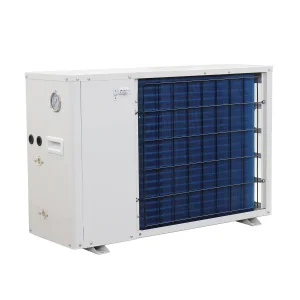
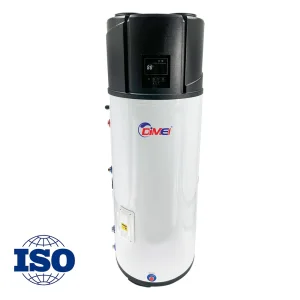
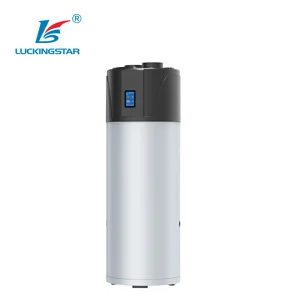
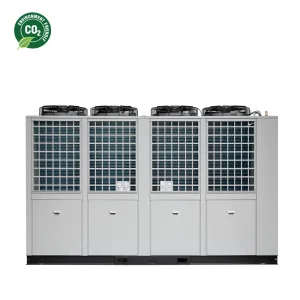
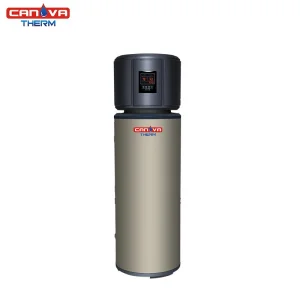
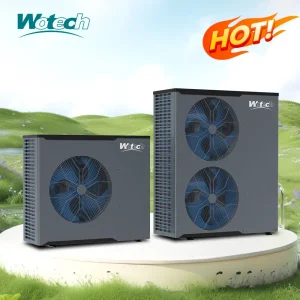
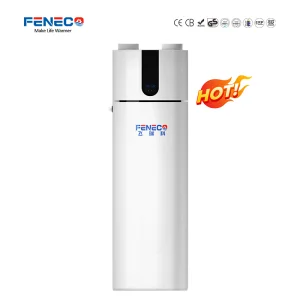
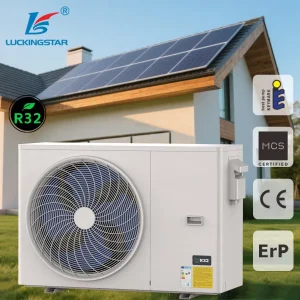
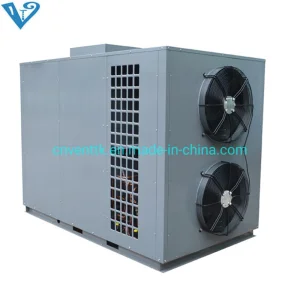
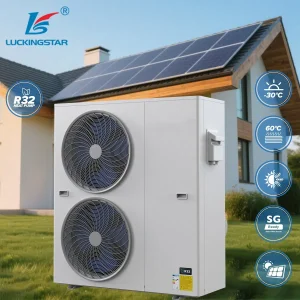
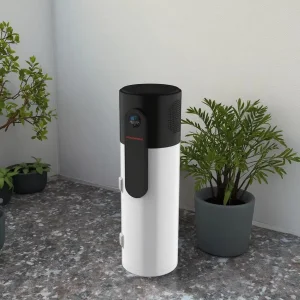
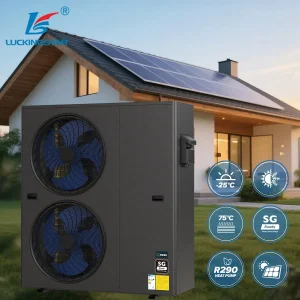
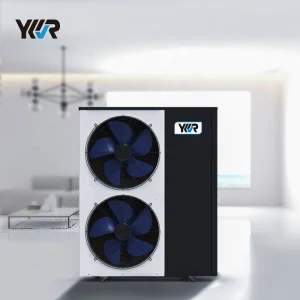
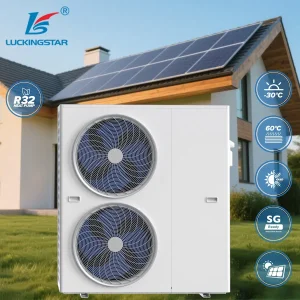
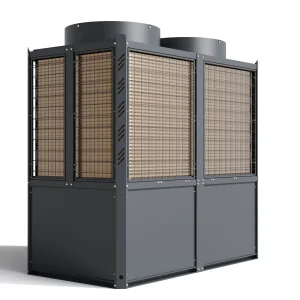
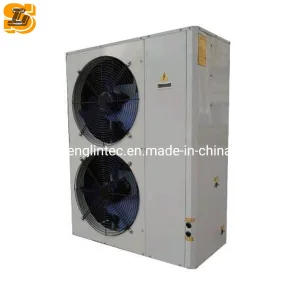
Explore our state-of-the-art heat pump configurations engineered for optimal coefficient of performance (COP) in diverse residential, commercial, and extreme environmental contexts.
Zhejiang PeakWay Pump Co., Ltd. specializes in the research, development, manufacturing, and commercial application of high-performance air source heat pump systems. Recognized as a pioneering industrial force in China’s modern thermodynamic engineering market, PeakWay is globally recognized for its deep technical capabilities, state-of-the-art testing facilities, and a relentless focus on technological innovation.
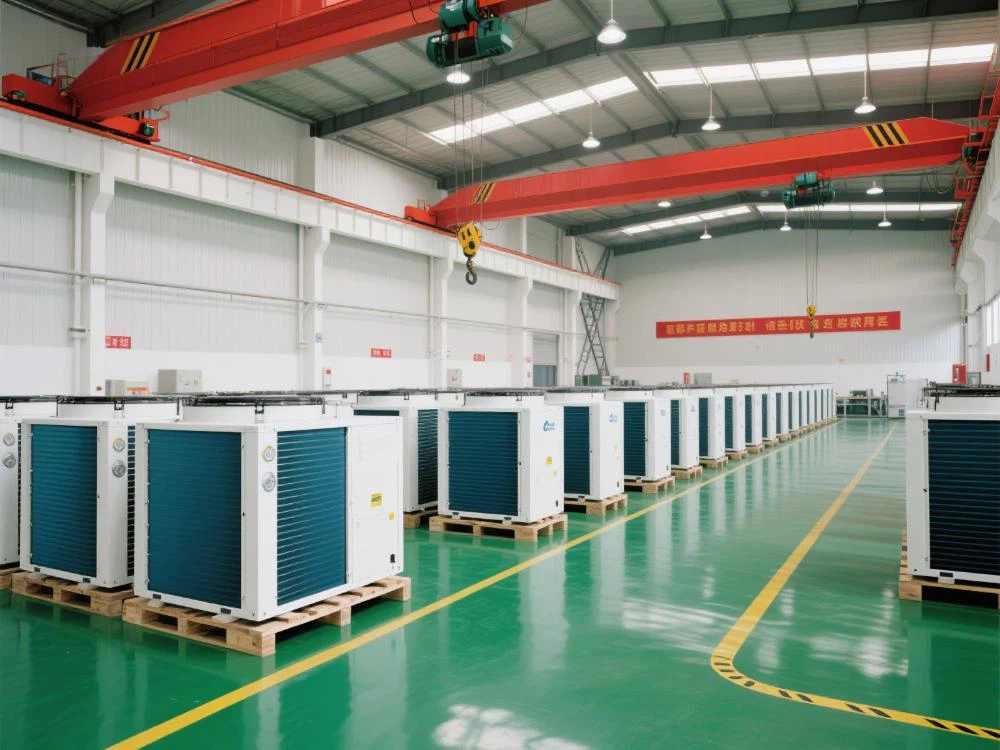
Guided by dynamic market demands, PeakWay is dedicated to offering optimized, high-efficiency, and energy-saving thermal control solutions. The company operates a state-of-the-art, digitalized manufacturing plant outfitted with multiple intelligent automated assembly lines. By incorporating standardized components and sophisticated robotics, alongside stringent quality assurance systems at every phase of production, PeakWay guarantees consistent performance in the most severe sub-zero environments.
Our operation aligns strictly with leading quality directives. PeakWay has proudly obtained ISO 9001:2015 Quality Management System certification and ISO 45001 Occupational Health and Safety Management System certification. Our testing capabilities include psychrometric and calorimeter testing chambers calibrated for sub-zero performance analysis. This structural rigor ensures that PeakWay products consistently pass rigorous international checks, earning critical global approvals such as CE, TUV, and Keymark.
An authoritative analysis of thermodynamic trends, global regulatory landscapes, and structural B2B procurement requirements.
The transition away from high Global Warming Potential (GWP) fluorinated gases has made Hydrocarbons like R290 (propane) and Natural CO2 (R744) the benchmarks for ecological and legislative compliance, mitigating F-gas quotas globally.
Modern heat pumps utilize proprietary PLC chipsets and modems supporting Wi-Fi/RS485 Modbus. Machine learning algorithms run smart defrosting intervals, dynamically tracking temperature differences to maximize seasonal performance.
For sub-zero climates down to -30°C, EVI technology injects supplementary vapor refrigerant directly into the scroll compressor intermediate chamber, preserving high-temperature output capacities and maintaining COP efficiency.
In B2B import-export pathways, sourcing managers evaluate suppliers on technical compliance parameters. In the European Union, the Ecodesign Directive (ErP) mandates seasonal space heating energy efficiency (ηs) ratings, requiring a minimum of class A+++ for low-temperature applications. Compliance parameters like the Keymark Certification and MCS registry confirmation are crucial for end-consumer rebate access (such as BAFA subsidies in Germany and similar incentives across the EU).
Additionally, electrical safety and system pressure criteria must comply with CE guidelines under the Pressure Equipment Directive (PED 2014/68/EU) and Electromagnetic Compatibility (EMC) regulations. The shift towards propane R290 units demands specialized ATEX/IECEx explosion safety compliance inside the electrical panels and hermetically sealed compressor compartments, preventing ignition hazards from flammable natural refrigerants.
Industrial, commercial, and district heating projects are transitioning away from high-emission fossil fuels to centralized heat pump networks. To resolve temperature mismatch, design engineers utilize varied layouts:
PeakWay's engineering timeline for sustainable thermodynamic research and software-integrated HVAC system developments.
100% replacement of legacy R410A in residential monoblocks with Propane R290 and Inverter R32. Optimizing hermetic components to achieve lower sound pressure levels under full load.
Integrating EEBus and SG Ready protocols directly into onboard controllers, allowing heat pumps to load-shift, turning on during peak renewable generation periods or when electricity tariffs are lowest.
Developing next-gen dual-stage scroll compressors and enhanced vapor injection systems, targeting sustained 65°C water outlets at -35°C ambient air conditions without supplementary electric heating.
Cloud-integrated predictive maintenance engines that continuously monitor refrigerant flow, pressure profiles, and vibration data to detect anomalies and schedule servicing before component failure.
Direct, engineering-focused answers to core questions frequently asked by overseas distributors, mechanical engineers, and HVAC procurement directors.
Discover high-efficiency geothermal ground source heat pumps, multi-functional intelligent defrosting units, and industrial monoblocks.
 PeakWay Pump