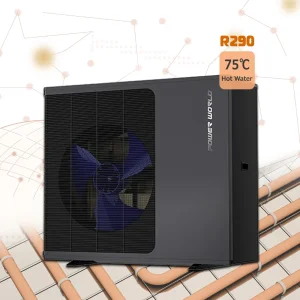
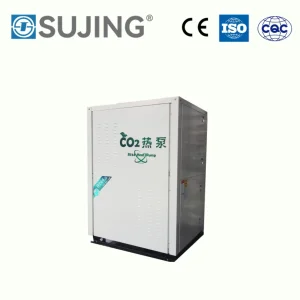
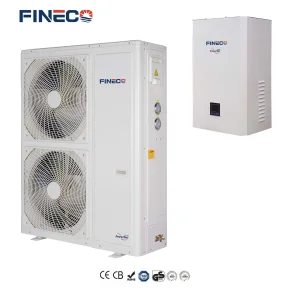
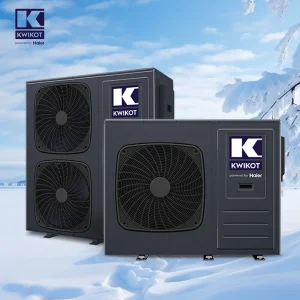
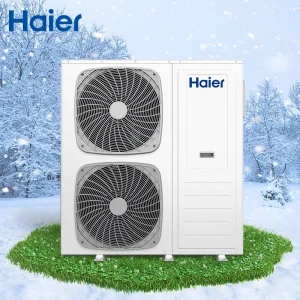
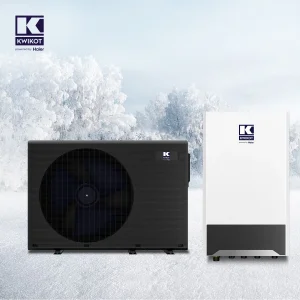
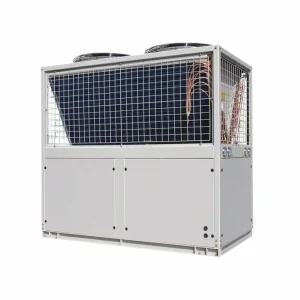
Explore our flagship product range incorporating low-ambient EVI, natural low-GWP refrigerants, and intelligent inverter technology.
Bridging thermal efficiency and photovoltaic potential to achieve carbon-neutral facility management across residential, commercial, and industrial ecosystems.
By pairing solar PVT (Photovoltaic-Thermal) collectors with intelligent air source heat pumps, modern heating grids achieve a multi-source thermodynamic efficiency. Solar energy preheats the evaporator medium, raising the evaporation temperature and dramatically expanding the overall system Coefficient of Performance (COP).
Global energy policies such as the European Green Deal, the recast of the Energy Performance of Buildings Directive (EPBD), and regional carbon tax mechanisms dictate a shift toward natural, low-GWP refrigerants like R290 (Propane) and CO2 (R744). Integrating solar thermal solutions mitigates grid dependency and scope 1 emissions.
Corporate procurement officers look for verified longevity, extreme low-ambient operation, dynamic smart-grid readiness, and complete supply chain transparency. A reliable solar heat pump system must demonstrate optimal seasonal energy efficiency ratios (SCOP) in diverse climate zones.
An analysis of eco-refrigerants, Enhanced Vapor Injection (EVI), and inverter optimizations driving the future of heat pump design.
Conventional air source heat pumps suffer from reduced capacity and efficiency degradation when ambient temperatures drop below -10°C. By implementing Enhanced Vapor Injection (EVI) compressors and intelligent DC inverter control algorithms, our systems maintain stable thermal output down to -35°C.
By injecting mid-pressure refrigerant vapor into the scroll compression chamber, the mass flow rate through the condenser is significantly increased. This mechanism reduces the compressor discharge temperature, broadens the operational window, and maintains high-temperature outlet hot water without relying on energy-intensive auxiliary electrical resistance heaters.
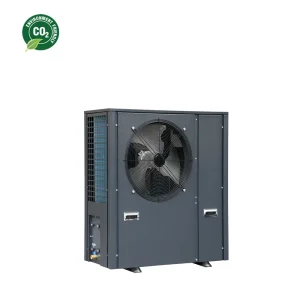
As the international community restricts high-GWP HFCs under the Kigali Amendment, natural refrigerants have moved from niche solutions to standard requirements. R290 possesses a GWP of just 3 and an ODP of 0, offering excellent thermodynamic properties and high heat transfer coefficients. For domestic hot water systems demanding sterilizing temperatures up to 90°C without auxiliary heaters, CO2 transcritical systems provide unmatched exergy performance.
| Refrigerant Type | Global Warming Potential (GWP) | Max Outlet Temp (°C) | Optimal App Window |
|---|---|---|---|
| R290 (Propane) | 3 | 75°C | Eco-friendly Domestic & Space Heating |
| CO2 (R744) | 1 | 90°C | High-Temp Sanitary Water & Industrial |
| R32 (Difluoromethane) | 675 | 60°C | Commercial Pool & Mid-Scale HVAC |
| R410A | 2088 | 55°C | legacy Systems / Heavy Industrial |
Pioneering standard-setting thermal innovations, precision engineering, and global export support.
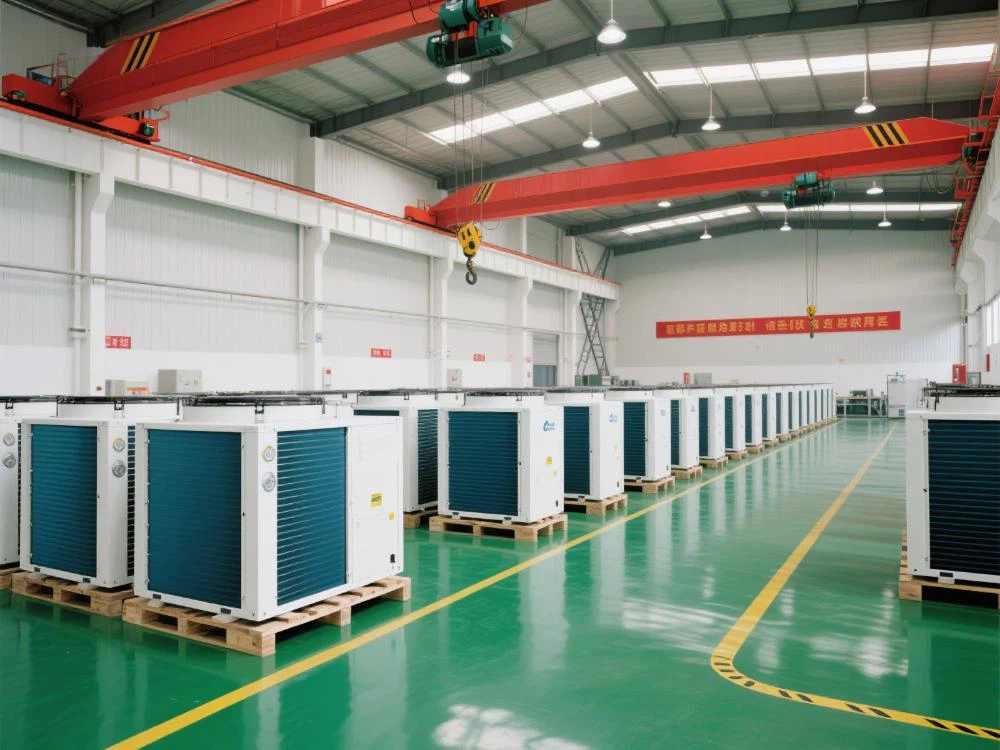
Zhejiang PeakWay Pump Co., Ltd. specializes in the research, development, manufacturing, and application of premium air source heat pump systems. As an industry pioneer in China's heat pump sector, PeakWay is recognized for its robust technical capabilities, modern test facilities, and continuous innovation. We serve the evolving needs of global importers, mechanical contractors, and industrial developers.
The company offers a comprehensive product portfolio, including residential units, commercial systems, low-temperature dual-supply systems, low-temperature triple-supply systems, high-temperature hot water units, and high-temperature drying equipment. With dozens of configurations available, PeakWay's systems are widely utilized in cooling, heating, sanitary water supply, and industrial processes.
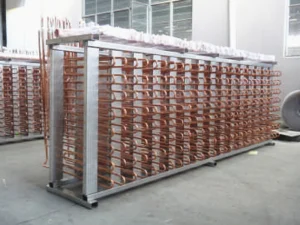
Guided by market demands, PeakWay is committed to delivering high-efficiency and energy-saving solutions. The company operates a modern manufacturing facility equipped with multiple intelligent heat pump production lines. By adopting standardized and automated assembly processes, along with strict quality control at every stage, PeakWay ensures consistent and reliable product performance. We adhere to international quality standards as well as national and industry regulations, striving to achieve near zero-defect manufacturing.
PeakWay has obtained ISO 9001:2015 Quality Management System certification and ISO 45001 Occupational Health and Safety Management System certification, demonstrating a structured and compliant factory workflow.
Equipped with advanced enthalpy-difference testing laboratories, our heat pumps undergo rigorous performance testing under extreme simulated conditions down to -35°C to guarantee rated thermal capacities.
We provide a one-stop support solution from project consultation, pipeline system design, and custom product sizing, through to shipment, customs clearance documentation, and long-term technical support.
How mechanical engineers and facility managers incorporate heat pumps to achieve high-performance thermal loops.
For housing projects, split systems and monoblocks interface seamlessly with underfloor hydronic heating loops, fan coil units, and domestic hot water cylinders. Integrated WiFi and Modbus communication protocols enable smart-grid load shaving and real-time remote diagnostics.
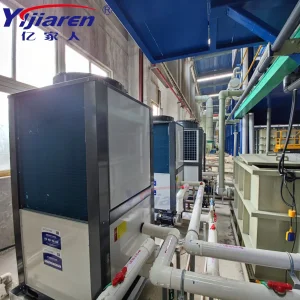
Industrial manufacturing, textile washing, and food processing lines generate large volumes of waste warm water. Utilizing specialized industrial chiller-heat pump units, facilities extract thermal energy from waste flows, upgrading it to 90°C hot water for processes, achieving substantial energy reuse.
Swimming pool water heating requires sustained, high-flow temperature regulation. Utilizing corrosion-resistant titanium tube-in-shell heat exchangers and precise electronic expansion valves (EEVs), our pool heat pumps provide safe, stable thermal performance even in saline environments.
Ensuring complete market entry alignment with European, American, and regional technical standards.
Navigating different environmental and performance regulations is crucial for successful import and distribution. As an experienced exporter, PeakWay guarantees that all products undergo standard testing to comply with international regulations, including:
Our Quality Control team implements a rigorous, multi-stage testing protocol. Every unit undergoes automated vacuum checks, dry-run electrical diagnostics, helium leak detection, and complete functional water-loop tests under pressure. PeakWay's manufacturing facility maintains a tracking system that maps components back to accredited suppliers, providing our clients with absolute confidence in long-term reliability.
Crucial technical and logistical insights for heat pump importers, engineers, and distributors.
Discover our industrial drying, waste heat recovery, and high-efficiency water heater systems.
 PeakWay Pump