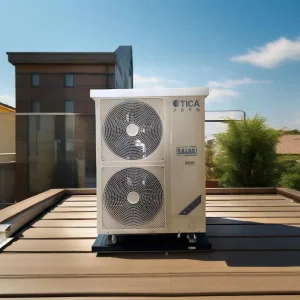
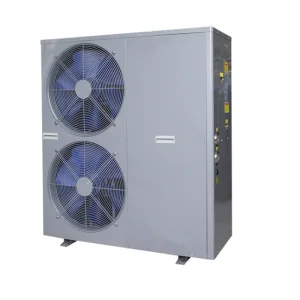
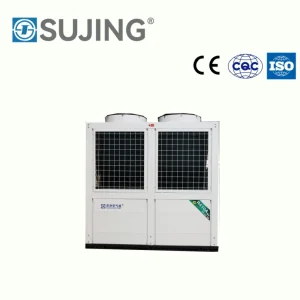
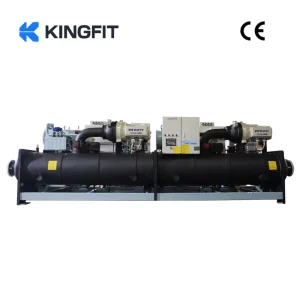
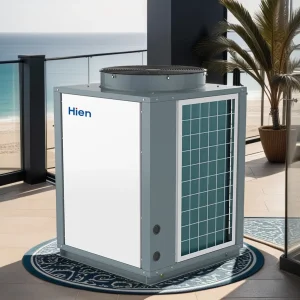
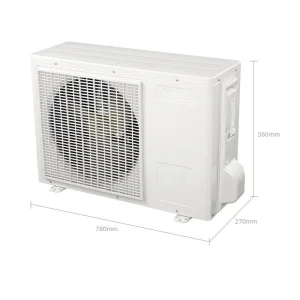
In the wake of the global energy transition, the demand for European Standard Heat Pumps has reached unprecedented levels. As the European Union accelerates its REPowerEU plan to reduce dependence on fossil fuels, heat pump technology has shifted from a niche alternative to the cornerstone of sustainable HVAC infrastructure. China’s manufacturing landscape, led by pioneers like Zhejiang PeakWay Pump Co., Ltd., has evolved to meet these stringent requirements, combining large-scale production efficiencies with high-precision engineering.
Modern heat pumps are no longer just heating devices; they are complex energy management systems. The integration of EVI (Enhanced Vapor Injection) technology and DC Inverter compressors has allowed these systems to operate efficiently in extreme climates, even at ambient temperatures as low as -35°C, making them suitable for Nordic markets.
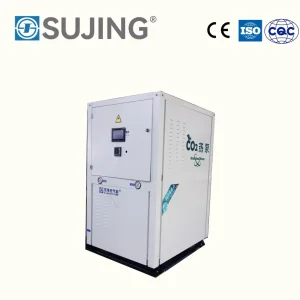
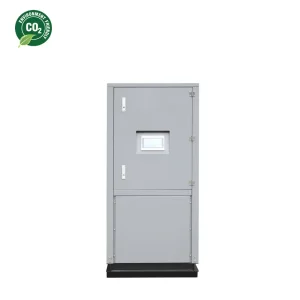
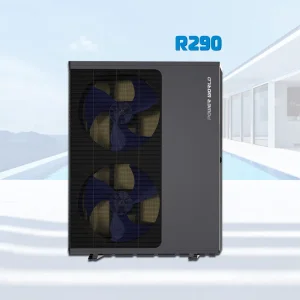
The "Information Gain" in today's market lies in understanding the synergy between natural refrigerants and thermodynamic efficiency. Manufacturers are now transitioning from R410A to R290 (Propane) and CO2 (R744). These natural refrigerants offer a Global Warming Potential (GWP) of near-zero, aligning with the latest EU F-Gas regulations while providing higher outlet water temperatures (up to 75-85°C) necessary for retrofitting older European buildings with radiator systems.
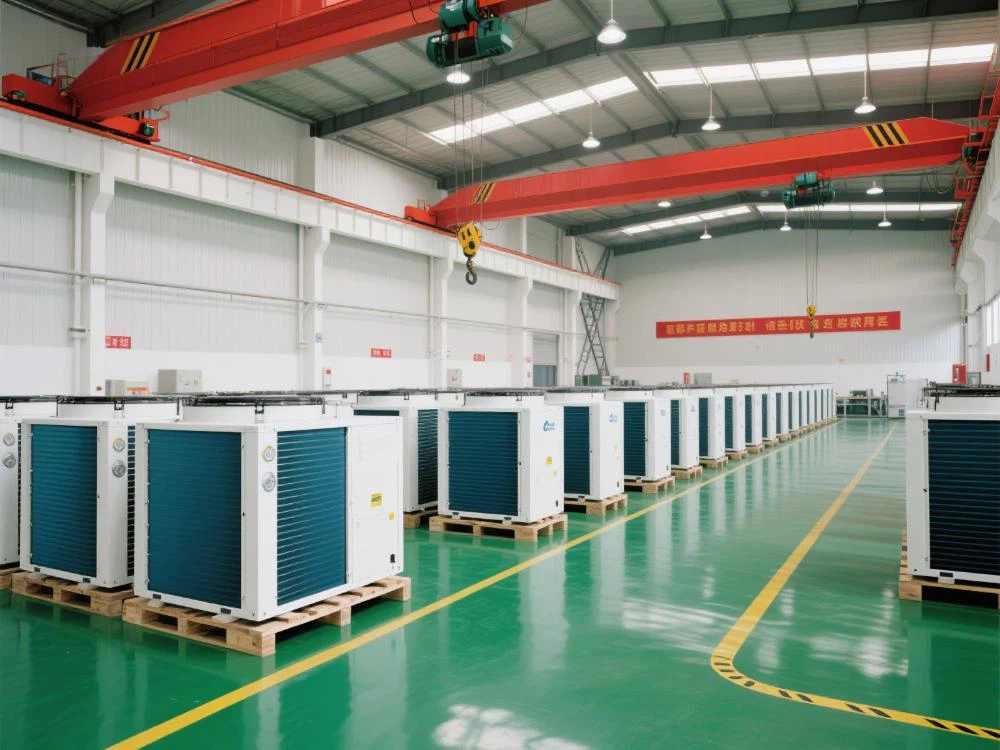
Zhejiang PeakWay Pump Co., Ltd. specializes in the research, development, manufacturing, and application of air source heat pump systems. As a professional manufacturer in China’s heat pump industry, PeakWay is recognized for its strong technical capabilities and continuous innovation. Guided by market demand, PeakWay is committed to delivering high-efficiency and energy-saving solutions to its customers.
The company operates a modern manufacturing facility equipped with multiple intelligent heat pump production lines. By adopting standardized and automated assembly processes, along with strict quality control at every stage, PeakWay ensures consistent and reliable product performance. The company adheres to international quality standards as well as national and industry regulations, striving to achieve near zero-defect manufacturing.
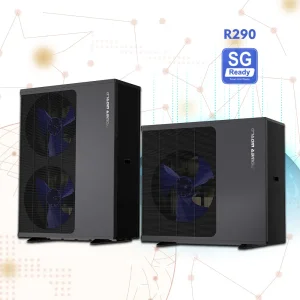
The transition to R290 (Propane) is the primary driver for European procurement. Global buyers now prioritize manufacturers who have mastered the safety protocols for flammable refrigerants.
Demand for "SG Ready" labeled products is skyrocketing. Integration with Home Energy Management Systems (HEMS) allows heat pumps to store energy during off-peak periods.
Combining heat pumps with gas boilers or solar thermal collectors provides a "safe harbor" for regions with unstable electricity prices, ensuring maximum reliability.
From a macro perspective, the procurement strategy has shifted from "Lowest Cost" to "Best Total Cost of Ownership (TCO)". This includes the consideration of long-term SCOP (Seasonal Coefficient of Performance), ease of maintenance, and the availability of local spare parts through decentralized logistics hubs.
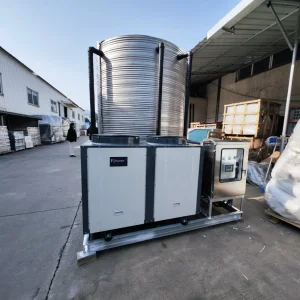
High-temperature industrial heat pumps can recover waste heat from manufacturing processes, converting it into process steam or hot water. PeakWay’s Steam Generating Heat Pumps are revolutionary for the textile, food processing, and chemical industries, offering energy savings of up to 60% compared to traditional boilers.
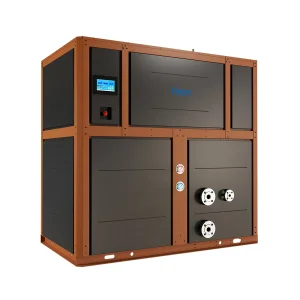
Cascaded heat pump configurations allow for large-scale district heating. By utilizing ground source or water source thermal energy, entire residential complexes can be heated with a carbon footprint that is 80% lower than coal-fired systems.
PeakWay upholds a “people-oriented and innovation-driven” philosophy, continuously investing in core technologies, advanced equipment, and comprehensive after-sales service systems. The company has established a well-structured service network, providing one-stop solutions from system design and product selection to installation, commissioning, and maintenance.
Focus on R290 Monoblock systems for the DACH (Germany, Austria, Switzerland) region, emphasizing easy installation without the need for F-gas certified technicians for the refrigerant circuit.
Integration of machine learning algorithms to predict component failure and optimize thermodynamic cycles in real-time based on local weather forecasts.
Developing systems that communicate with Electric Vehicle (EV) batteries, using the car as a thermal storage buffer for the home’s heating system.
Localization is not just about translation; it's about compliance. Zhejiang PeakWay ensures all European-bound products carry CE, ErP (Energy-related Products) labeling, and meet the strict noise requirements of the MCS (Microgeneration Certification Scheme) in the UK and BAFA in Germany. This allows end-users to qualify for significant government subsidies, reducing the payback period to as little as 3-5 years.
 PeakWay Pump