
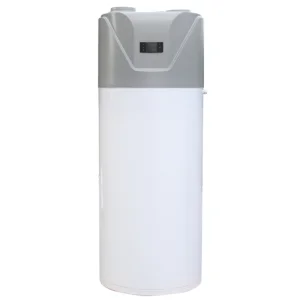
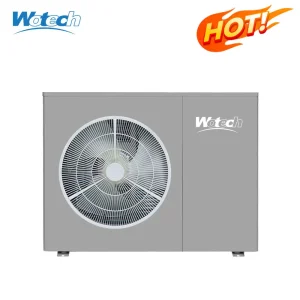
As the global community accelerates towards absolute carbon neutrality by 2050, the decarbonization of low-to-medium temperature thermal energy demands is critical. Historically dominated by combustion boilers burning natural gas or fuel oil, industrial sectors—ranging from paper manufacturing and food processing to chemical production and municipal district heating—are undergoing a massive transformation. The technological linchpin of this energy transition is the High Discharge Temperature Heat Pump (HDTHP).
Standard heat pump technologies typically produce hot water up to 55°C, sufficient for underfloor heating in newly built residential properties but completely inadequate for legacy hydronic radiator networks, industrial sterilization processes, and drying systems. High discharge temperature systems, however, are engineered to reliably deliver outlet temperatures ranging from 75°C to over 120°C. This capability relies on thermodynamic designs that can manage high pressure ratios and elevated compressor discharge temperatures without thermal degradation of the lubricant or component failure.
This market shift is heavily reinforced by legislative mandates. In the European Union, the revised Energy Efficiency Directive (EED) and the phased tightening of the F-Gas Regulation are driving demand for high-efficiency systems running on eco-friendly refrigerants. In the United States, federal tax incentives under the Inflation Reduction Act (IRA) subsidize the electrification of commercial boilers. Consequently, manufacturers capable of exporting robust high discharge temperature systems that combine safety, mechanical longevity, and smart controls are seeing unprecedented growth.
Operating at a high discharge temperature requires specialized mechanical design. In standard refrigeration cycles, raising the output temperature increases the compression ratio and discharge gas temperature beyond the safe limits of typical synthetic oils, resulting in oil carbonization and compressor seizure. Top manufacturers address these thermodynamic challenges through specific technological pathways:
R290 (Propane), with a GWP of only 3, has a high critical temperature of 96.7°C, enabling water delivery up to 75°C-80°C in subcritical cycles. CO2 (R744) operates in a transcritical cycle, utilizing a gas cooler instead of a condenser. This setup is highly efficient for domestic hot water (DHW) applications with high temperature lifts (e.g., from 10°C to 90°C in a single pass).
EVI scroll or screw compressors bypass a portion of the refrigerant flow through an economizer plate heat exchanger, injecting intermediate-pressure vapor directly into the compression chamber. This process cools the compressor dome, controls the discharge temperature, and improves heating capacity by 20% to 30% in sub-zero climates.
For high-capacity needs, cascade configurations employ two independent refrigeration loops linked by an intermediate heat exchanger. The low-temperature loop (e.g., R32 or R290) absorbs heat from the ambient air, while the high-temperature loop (e.g., R134a or R1233zd) boosts it, reaching outlet temperatures up to 120°C with optimal COP.
| Refrigerant Type | Safety Class | Global Warming Potential (GWP) | Maximum Outlet Temp (°C) | Typical Industrial Application |
|---|---|---|---|---|
| R290 (Propane) | A3 (Highly Flammable) | 3 | 75°C - 80°C | Residential retrofit, Commercial district heating |
| R744 (CO2) | A1 (Non-Flammable) | 1 | 90°C | Sanitary hot water, Food processing sterilization |
| R134a | A1 (Non-Flammable) | 1430 | 85°C | High-temperature industrial drying processes |
| R1233zd(E) | A1 (Non-Flammable) | 1 | 120°C+ | High-end chemical extraction & waste steam generation |
High discharge temperature heat pumps are highly versatile and adapt well to varied operational settings. In contrast to standard low-temperature systems, their application requires careful customization to match local load curves, environmental conditions, and return-water temperatures.
Many older buildings in northern and central Europe depend on cast-iron radiator networks designed for water temperatures of 75°C flow and 65°C return. Standard heat pumps cannot meet these demands on cold winter days without resorting to expensive resistive heaters. An air-to-water high discharge temperature heat pump can directly replace a gas oil boiler, supplying 75°C hot water down to -20°C ambient temperatures while maintaining a COP above 2.0.
Commercial laundries produce large volumes of humid exhaust and warm wastewater at 35°C to 50°C. By deploying a specialized wastewater heat recovery pump, this thermal energy is captured and boosted to 85°C. The recovered heat is then used to warm incoming cold water and run the drying machinery, cutting boiler fuel use by up to 60% and reducing moisture levels in the facility.
Drying agricultural products, timber, and sludge requires sustained heat and precise humidity control. High-temperature drying equipment powered by HDTHPs uses closed-loop condensation drying. This system extracts moisture while reusing latent heat, delivering dry air at up to 80°C. This method offers much higher energy efficiency than traditional open-cycle hot blast furnaces.
A district heating project in a sub-zero climate utilized a cascade R290 and R134a recovery heat pump system. By leveraging waste heat from local sewer mains at 15°C, the system successfully returned hot water at 82°C to the municipal grid, yielding an annual seasonal performance factor (SPF) of 3.8 and lowering operational energy costs compared to fossil fuels.
Zhejiang PeakWay Pump Co., Ltd. specializes in the research, development, manufacturing, and application of air source heat pump systems. As a professional manufacturer in China’s heat pump industry, PeakWay is recognized for its strong technical capabilities and continuous innovation.
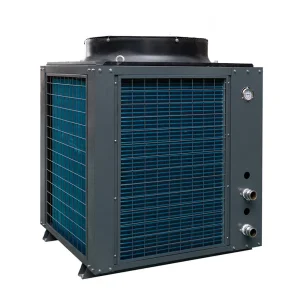
The company offers a comprehensive product portfolio, including residential units, commercial systems, low-temperature dual-supply systems, low-temperature triple-supply systems, high-temperature hot water units, and high-temperature drying equipment. With dozens of models and configurations available, PeakWay’s products are widely used in residential, commercial, and industrial applications, covering heating, cooling, domestic hot water, and industrial drying needs.
Guided by market demand, PeakWay is committed to delivering high-efficiency and energy-saving solutions to its customers. The company operates a modern manufacturing facility equipped with multiple intelligent heat pump production lines. By adopting standardized and automated assembly processes, along with strict quality control at every stage, PeakWay ensures consistent and reliable product performance. The company adheres to international quality standards as well as national and industry regulations, striving to achieve near zero-defect manufacturing.
In terms of quality assurance and certifications, PeakWay has obtained ISO 9001:2015 Quality Management System certification and ISO 45001 Occupational Health and Safety Management System certification. The company is also equipped with advanced testing capabilities for extreme conditions, including low-temperature performance testing. Its products have repeatedly passed authoritative inspections, demonstrating excellent stability and durability.
PeakWay upholds a “people-oriented and innovation-driven” philosophy, continuously investing in core technologies, advanced equipment, and comprehensive after-sales service systems. The company has established a well-structured service network, providing one-stop solutions from system design and product selection to installation, commissioning, and maintenance, earning strong trust and reputation among its customers.
With the global emphasis on energy conservation, environmental protection, and sustainable development, air source heat pumps are becoming an increasingly important clean energy solution. Thanks to outstanding product performance and significant energy-saving benefits, PeakWay’s products are gaining growing recognition in the market and are becoming a preferred choice for customers.
Looking ahead, Zhejiang PeakWay Pump Co., Ltd. will continue to be driven by technological innovation and customer value, constantly enhancing product competitiveness and service quality. The company is committed to working closely with partners worldwide to promote green energy solutions and achieve mutual growth and long-term success.
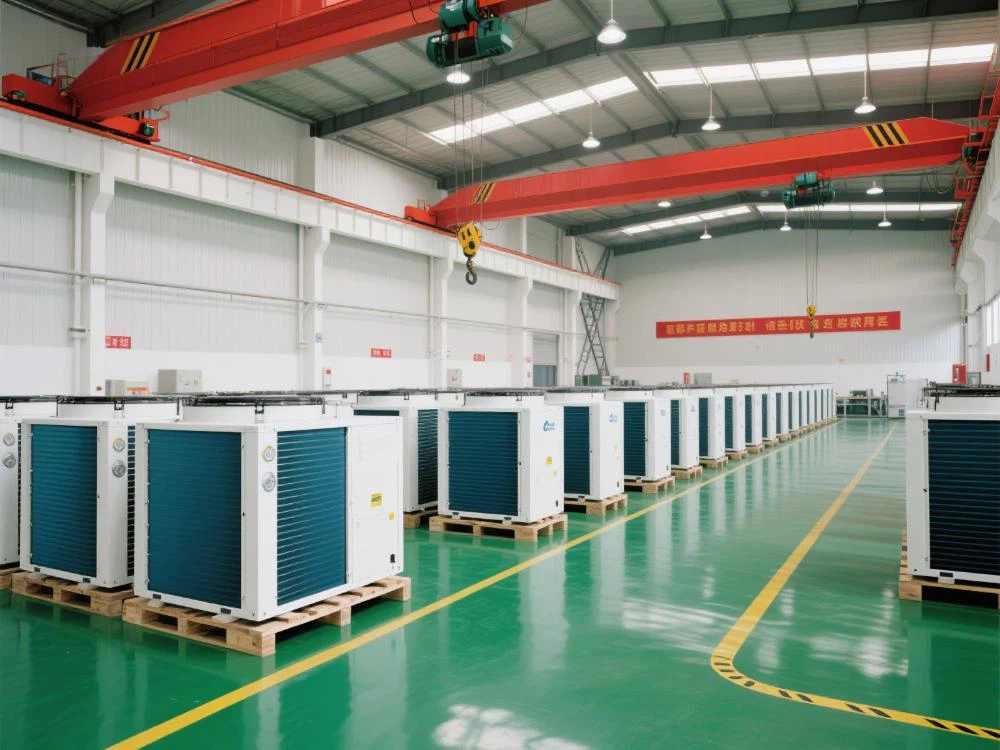
The global dominance of Chinese heat pump manufacturers like Zhejiang PeakWay Pump Co., Ltd. is built on a highly integrated and resilient industrial supply chain. This clustering effect in regions like Zhejiang and Guangdong provides significant cost, speed, and customization advantages for international buyers.
Key supply chain components include:
Exporting high discharge temperature heat pumps requires strict adherence to international safety and performance standards. Manufacturers exporting to premium markets must verify their products comply with local directives:
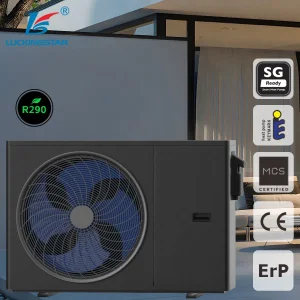
In Europe, systems must meet CE Directives (LVD, EMC) and hold Keymark or MCS certifications, which are required for local government subsidies. Compliance with the Pressure Equipment Directive (PED) 2014/68/EU is critical because of the high operating pressures of CO2 and propane systems. Additionally, compliance with the ERP Directive ensures high seasonal coefficient of performance (SCOP) ratings. Leading Chinese manufacturers now maintain in-house laboratories certified by Intertek, TÜV Rheinland, or SGS, allowing them to verify performance down to -30°C before shipping.
Standard heat pumps typically deliver water outlet temperatures up to 55°C, sufficient for low-temperature heating like underfloor systems. High discharge temperature heat pumps (HDTHPs) use specialized scroll or screw compressors, Enhanced Vapor Injection (EVI), and specific refrigerants (such as R290, R134a, or CO2) to supply outlet temperatures between 75°C and 120°C. This makes them suitable for legacy radiator heating and industrial drying processes.
Enhanced Vapor Injection (EVI) redirects a portion of the refrigerant through an economizer to inject vapor into the intermediate stage of the compressor. This cools the compressor dome during high pressure ratios, keeping discharge temperatures within safe operating limits. It also increases heating capacity by up to 30% in extreme sub-zero conditions.
R290 operates in a subcritical cycle, delivering water up to 75°C-80°C. It performs well in standard hydronic heating networks with low direct GWP. CO2 (R744) operates in a transcritical cycle, making it ideal for systems with large temperature differences (e.g., heating cold water from 10°C directly to 90°C). CO2 is non-flammable but requires system designs rated for high pressures (up to 120 bar).
Yes. Because they can deliver water at 75°C to 85°C even in cold climates, HDTHPs can connect directly to existing boiler piping without replacing building radiators or industrial heat exchangers, allowing for full electrification of heating systems.
Buyers should look for ISO 9001:2015 and ISO 45001 certifications to verify manufacturing standards. For EU compliance, products must meet CE requirements and the Pressure Equipment Directive (PED), along with Keymark, MCS, or SG Ready approvals for local rebate eligibility.
System COP depends on the temperature lift. To maintain high efficiency, systems use intermediate economizers, variable speed DC inverters, and optimized plate heat exchangers. For industrial waste heat recovery, utilizing wastewater at 30°C to generate hot water at 80°C can yield a COP of 4.0 to 5.0.
 PeakWay Pump