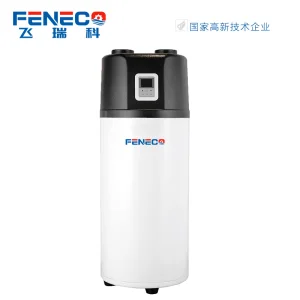
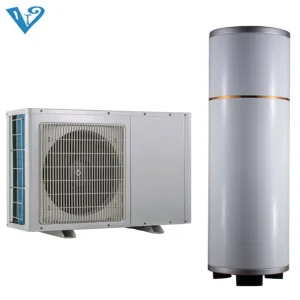
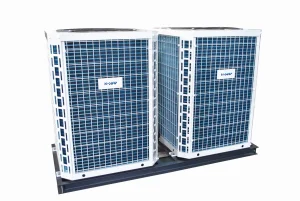
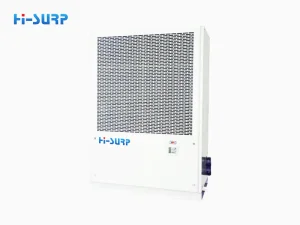
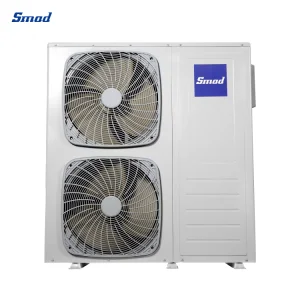
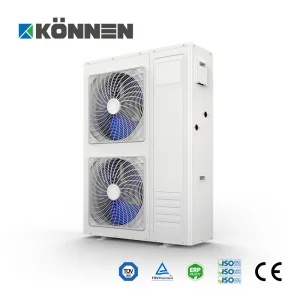
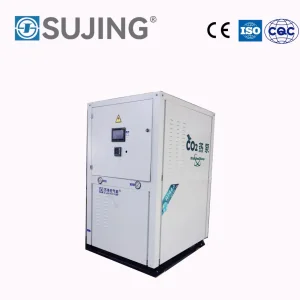
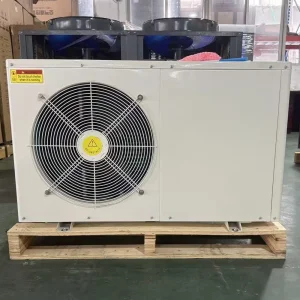
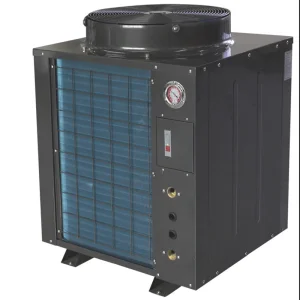
Explore our primary array of highly efficient R290 and R32 heat pump technologies engineered for peak heating and cooling capacities.
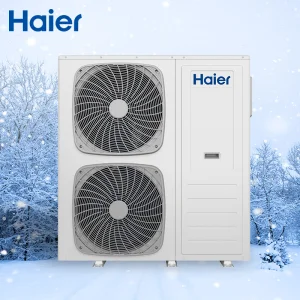

The global thermodynamic infrastructure is undergoing a significant transition toward high-efficiency, localized energy sources. Regulatory bodies such as the European Commission, under the F-gas directive and the EcoDesign regulation, have accelerated the phasing out of traditional high-Global Warming Potential (GWP) hydrofluorocarbons (HFCs). Consequently, technologies utilizing natural refrigerants, such as R290 (propane) and CO2 (R744), have become critical pathways for decarbonizing heating networks.
Industrial heat recovery systems and commercial air-to-water units are no longer merely optional upgrades; they represent a fundamental baseline for businesses striving to comply with ESG frameworks and mitigate operating costs. The growth is fueled by demand in high-temperature domestic sanitary hot water (DHW) production, district heating networks, and processes requiring temperature regulation between -30°C and 90°C.
Evaluating the scientific advancements and thermodynamics underpinning our portable and localized energy conversion models.
Continuous dynamic speed alteration of compressors optimizes electrical-to-thermal energy conversion, yielding seasonal coefficients of performance (SCOP) up to 5.0.
By injecting vapor mid-stage during compression, the system significantly expands capacity limits under extreme low ambient temperatures as low as -30°C.
Integrated Modbus RS485 and smart Wi-Fi systems enable remote monitoring, predictive diagnostics, and power grid frequency load management.
Captures exhaust humidity and industrial waste stream vapor to pre-heat primary water circuits, yielding exceptional thermal efficiency.
Zhejiang PeakWay Pump Co., Ltd. specializes in the research, development, manufacturing, and application of air source heat pump systems. As a professional manufacturer in China’s heat pump industry, PeakWay is recognized for its strong technical capabilities and continuous innovation.
The company offers a comprehensive product portfolio, including residential units, commercial systems, low-temperature dual-supply systems, low-temperature triple-supply systems, high-temperature hot water units, and high-temperature drying equipment. With dozens of models and configurations available, PeakWay’s products are widely used in residential, commercial, and industrial applications, covering heating, cooling, domestic hot water, and industrial drying needs.
Guided by market demand, PeakWay is committed to delivering high-efficiency and energy-saving solutions to its customers. The company operates a modern manufacturing facility equipped with multiple intelligent heat pump production lines. By adopting standardized and automated assembly processes, along with strict quality control at every stage, PeakWay ensures consistent and reliable product performance. The company adheres to international quality standards as well as national and industry regulations, striving to achieve near zero-defect manufacturing.
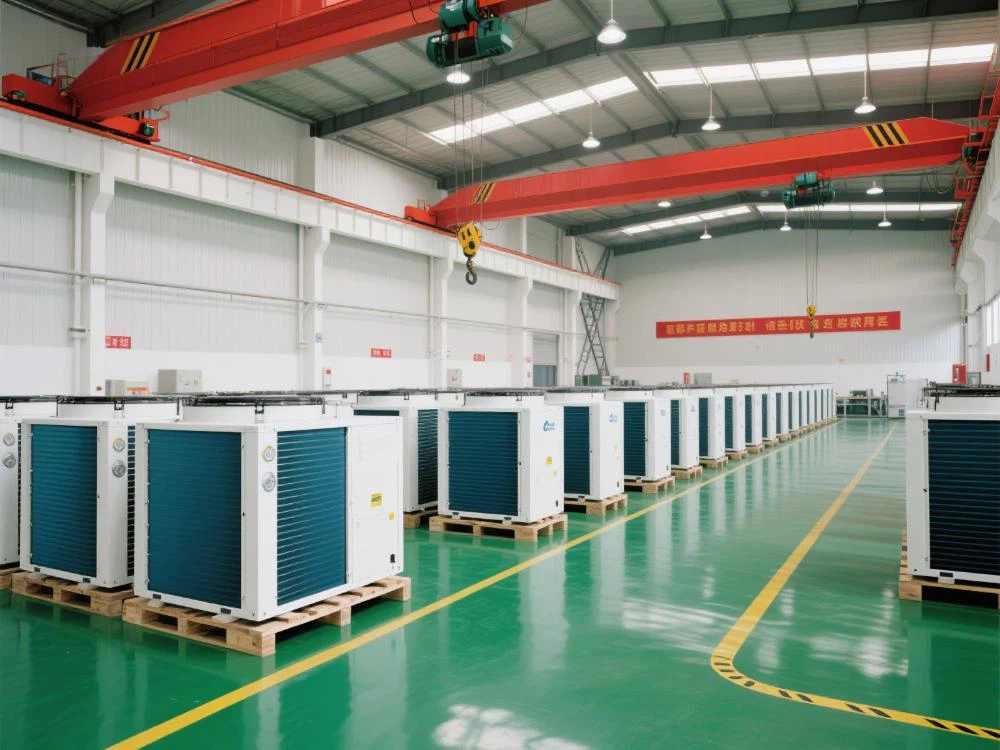
In terms of quality assurance and certifications, PeakWay has obtained ISO 9001:2015 Quality Management System certification and ISO 45001 Occupational Health and Safety Management System certification. The company is also equipped with advanced testing capabilities for extreme conditions, including low-temperature performance testing. Its products have repeatedly passed authoritative inspections, demonstrating excellent stability and durability.
PeakWay upholds a “people-oriented and innovation-driven” philosophy, continuously investing in core technologies, advanced equipment, and comprehensive after-sales service systems. The company has established a well-structured service network, providing one-stop solutions from system design and product selection to installation, commissioning, and maintenance, earning strong trust and reputation among its customers.
With the global emphasis on energy conservation, environmental protection, and sustainable development, air source heat pumps are becoming an increasingly important clean energy solution. Thanks to outstanding product performance and significant energy-saving benefits, PeakWay’s products are gaining growing recognition in the market and are becoming a preferred choice for customers.
Looking ahead, Zhejiang PeakWay Pump Co., Ltd. will continue to be driven by technological innovation and customer value, constantly enhancing product competitiveness and service quality. The company is committed to working closely with partners worldwide to promote green energy solutions and achieve mutual growth and long-term success.
Analyzing geographic demands and the future direction of clean thermal engineering.
| Refrigerant Type | Ambient Limit | Maximum Output Temp | Global Warming Potential |
|---|---|---|---|
| R290 Propane | -25°C to 43°C | 75°C | 3 (Ultra-Low) |
| R32 HFC | -20°C to 45°C | 60°C | 675 (Medium) |
| R744 CO2 | -30°C to 40°C | 90°C | 1 (Negligible) |
| R410A HFC | -15°C to 45°C | 55°C | 2088 (Phase-out) |
Phasing out high-GWP refrigerants (R410A) across global markets. Introduction of high-efficiency ERP A+++ rated systems driven by R290 and R32 technologies.
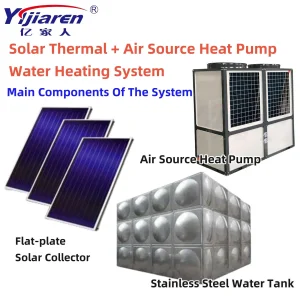
Seamless coupling of air source heat pumps with solar thermal flat-plate collectors and solar photovoltaic modules, maximizing Coefficient of Performance (COP) during peak hours.
Implementation of AI algorithms and Modbus/WiFi systems to match heating cycles with off-peak electricity grid pricing dynamically.
Continuous refinement of high-temperature recovery systems, delivering output water temperatures exceeding 100°C for manufacturing and commercial applications.
Direct answers to the most common queries from procurement specialists, HVAC engineers, and global commercial importers.
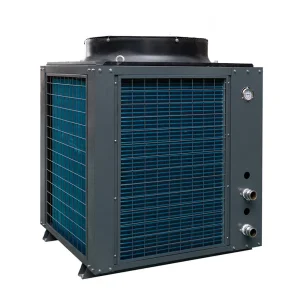
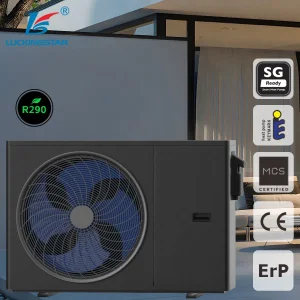
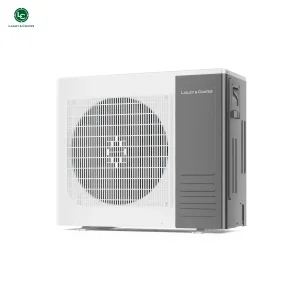
Explore our specialized high-performance product range designed for large-scale operations, swimming pools, and district heating solutions.

 PeakWay Pump