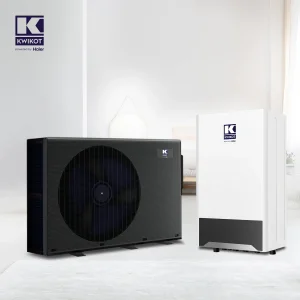
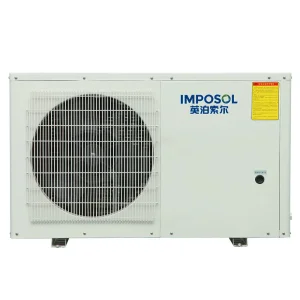
High-efficiency, climate-resilient DHW heat pumps engineered to excel in Brazil's urban commercial developments and industrial estates.
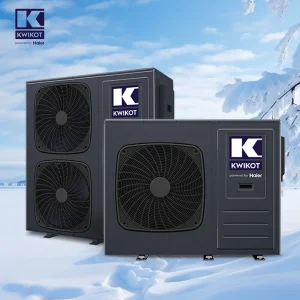


The Metropolitan Area of São Paulo, hosting the largest commercial and industrial hub in South America, is undergoing an intensive energy transition. Driven by escalating municipal and state-level ESG regulations (such as the São Paulo State Climate Change Policy - PEMC) and volatile electricity pricing structures, industries, hotels, and luxury multi-family high-rises are moving away from legacy gas boilers and resistive electrical heating.
Domestic Hot Water (DHW) heat pumps present a thermodynamic paradigm shift. Instead of generating heat through raw electricity or fossil fuel combustion, these systems harvest latent energy from the subtropical Brazilian atmosphere. In São Paulo's humid climate, the average COP (Coefficient of Performance) of air-source heat pumps rises significantly, yielding up to 4.5 to 5.0 units of thermal energy for every single unit of electricity consumed.
Aligning international technological developments with local commercial objectives in Brazil.
The global domestic hot water heating sector is moving rapidly toward low-GWP (Global Warming Potential) refrigerants under the mandate of the European F-Gas Regulation and the Kigali Amendment to the Montreal Protocol. Systems utilizing R290 (propane) and R32 are replacing older R410A units. This transition is not merely ecological; R290 thermodynamics allow for high hot water delivery temperatures (up to 75°C) without the need for auxiliary electrical heating, making it ideal for legionella prevention and direct industrial boiler pre-heating.
Furthermore, as multinational corporations in São Paulo strive to meet global Net-Zero Scope 1 and Scope 2 emission standards, the electrification of heat has become a core mandate. Integrating smart air-to-water heat pumps with photovoltaic (PV) solar systems enables commercial facilities to operate zero-carbon thermal loops.
Deciphering the technological innovations underpinning PeakWay’s DHW performance portfolio.
Enhanced Vapor Injection (EVI) scroll compressors bypass standard operational envelopes. By injecting superheated gas refrigerant during intermediate compression cycles, system capacity is maintained even under low ambient temperatures or high ambient humidity challenges common in Latin American winter cycles.
Employing hermetically sealed, explosion-proof components to safely utilize natural R290 propane gas. Operating with minimal charge sizes, these systems achieve remarkable thermodynamic performance without compromising indoor commercial building security and fire compliance standards.
Native Modbus RTU communication and WiFi modules support interface integration with building automation systems (BMS). Allows facilities managers to optimize thermal output based on dynamic time-of-use electrical tariffs across São Paulo's grid system.
Decentralized thermal loops custom-configured for São Paulo's high-rise architecture and hospitality sectors.
Modern real estate developments in regions such as Vila Madalena and Jardins utilize decentralized or centralized loop systems. Standard installations consist of rooftop-mounted DHW air-source heat pumps integrated with centralized insulated buffer storage tanks. Water is heated continuously during off-peak hours and distributed via insulated loops. This architecture replaces individual high-draw electrical showers, alleviating electrical infrastructure demands on the building, reducing copper wire sizing requirements, and saving up to 60% on utility expenses for condominium associations.
Hotels, gyms, and sports clubs in São Paulo require massive volumes of stable 60°C water for showers and hygiene. Utilizing Cascaded Heat Pump Systems (combining multiple high-temperature monoblock units) provides modular redundancy. If one unit enters a defrost cycle or requires scheduled maintenance, the remaining units adjust output to guarantee uninterruptible hot water delivery.
A commercial calculation for a typical 120-room hotel in São Paulo transitioning from LPG boiler heating to a PeakWay DHW Heat Pump Array:
| Metric | LPG Boiler System | PeakWay DHW Heat Pump |
|---|---|---|
| Annual Run Cost | R$ 145,000 | R$ 42,000 |
| CO2 Emissions/yr | 32.4 Tons | 7.8 Tons |
| Maintenance Frequency | Bi-Monthly | Annual Check |
| Project ROI | - | 18 - 24 Months |
Zhejiang PeakWay Pump Co., Ltd. specializes in the research, development, manufacturing, and application of air source heat pump systems. As a professional manufacturer in China’s heat pump industry, PeakWay is recognized for its strong technical capabilities and continuous innovation.
The company offers a comprehensive product portfolio, including residential units, commercial systems, low-temperature dual-supply systems, low-temperature triple-supply systems, high-temperature hot water units, and high-temperature drying equipment. With dozens of models and configurations available, PeakWay’s products are widely used in residential, commercial, and industrial applications, covering heating, cooling, domestic hot water, and industrial drying needs.
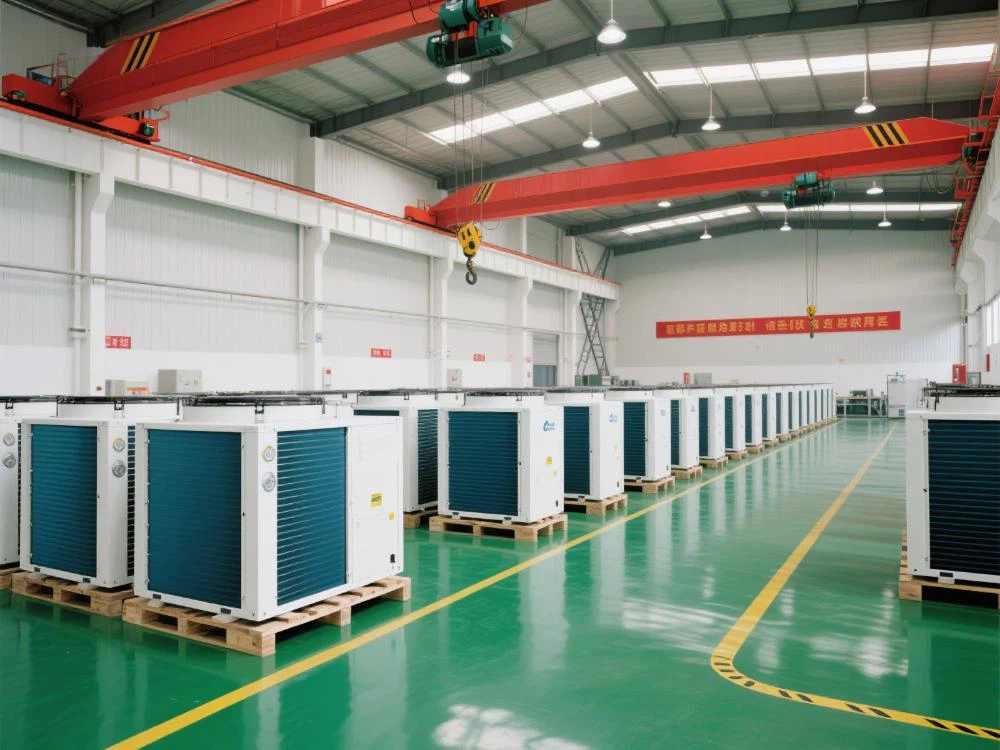
Guided by market demand, PeakWay is committed to delivering high-efficiency and energy-saving solutions to its customers. The company operates a modern manufacturing facility equipped with multiple intelligent heat pump production lines. By adopting standardized and automated assembly processes, along with strict quality control at every stage, PeakWay ensures consistent and reliable product performance. The company adheres to international quality standards as well as national and industry regulations, striving to achieve near zero-defect manufacturing.
In terms of quality assurance and certifications, PeakWay has obtained ISO 9001:2015 Quality Management System certification and ISO 45001 Occupational Health and Safety Management System certification. The company is also equipped with advanced testing capabilities for extreme conditions, including low-temperature performance testing. Its products have repeatedly passed authoritative inspections, demonstrating excellent stability and durability.
PeakWay upholds a “people-oriented and innovation-driven” philosophy, continuously investing in core technologies, advanced equipment, and comprehensive after-sales service systems. The company has established a well-structured service network, providing one-stop solutions from system design and product selection to installation, commissioning, and maintenance, earning strong trust and reputation among its customers.
With the global emphasis on energy conservation, environmental protection, and sustainable development, air source heat pumps are becoming an increasingly important clean energy solution. Thanks to outstanding product performance and significant energy-saving benefits, PeakWay’s products are gaining growing recognition in the market and are becoming a preferred choice for customers.
Looking ahead, Zhejiang PeakWay Pump Co., Ltd. will continue to be driven by technological innovation and customer value, constantly enhancing product competitiveness and service quality. The company is committed to working closely with partners worldwide to promote green energy solutions and achieve mutual growth and long-term success.
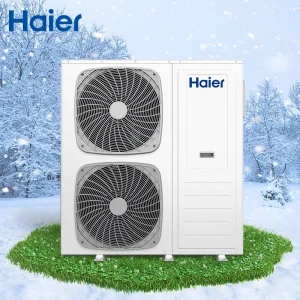
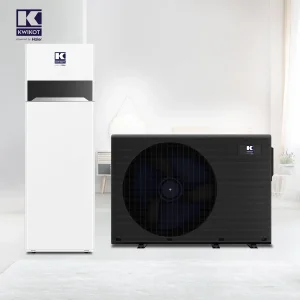
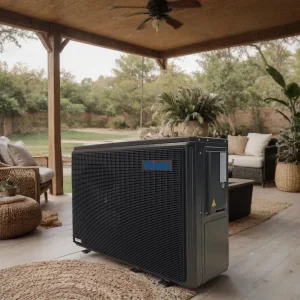
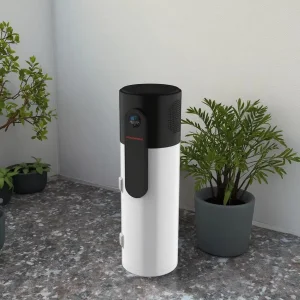
Comprehensive product specifications supporting residential heating/cooling and light industrial processing applications.

Clear technical answers for project engineers, HVAC installers, and procurement directors in São Paulo.
Partner with Zhejiang PeakWay Pump Co., Ltd. for top-tier DHW heat pump units, custom design engineering, and dependable export services tailored for the Brazilian market.
 PeakWay Pump